
What Is an Infrared Sauna? The Science Explained
Infrared saunas work at substantially lower temperatures than traditional ones, yet they still provide powerful therapeutic benefits. Traditional saunas heat up to 150-220 degrees Fahrenheit, while infrared versions run at just 120-140°F (49-60°C). The big difference lies in their working mechanism – infrared saunas use electromagnetic radiation to warm your body directly instead of heating the surrounding air like conventional ones do.
Manufacturers claim that infrared saunas direct 80% of their heat straight to your body and only 20% goes to warming the surrounding air. This impressive efficiency has made infrared saunas increasingly popular as a natural healing method. The technology’s roots go back to 1891 when John Harvey Kellogg created radiant heat saunas with his incandescent electric light bath.
Modern research backs up several health advantages of infrared saunas, particularly better heart health and lower risks of cardiovascular disease. Let’s explore what makes these saunas special, how they function, their health perks, and what you should know about safety before giving them a try.
What Is an Infrared Sauna and How Does It Work?
Picture a sauna that heats your body directly instead of warming the air around you. This describes an infrared sauna perfectly. These innovative wellness spaces use specialized infrared heaters that emit invisible light waves to penetrate your skin and raise your core temperature from within.
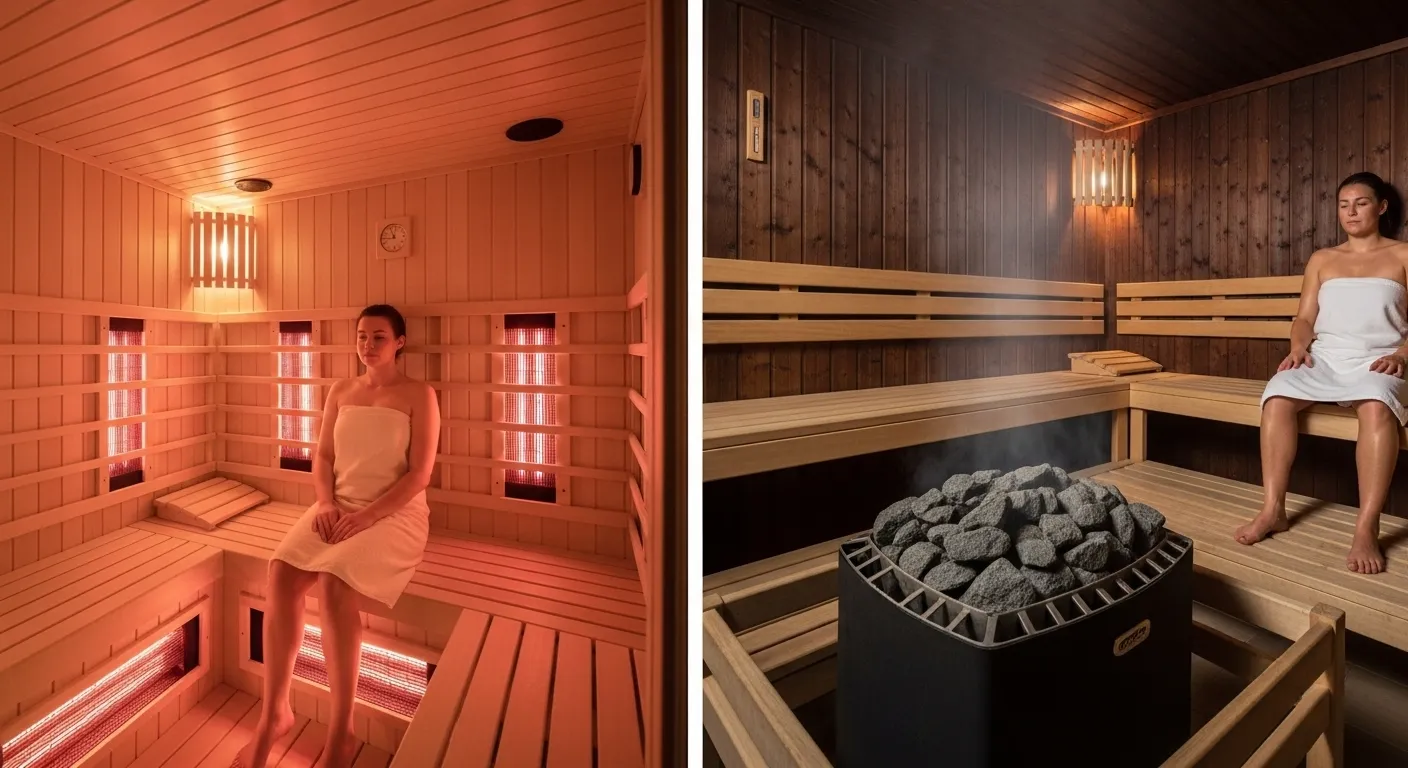
Infrared vs. Traditional Saunas
Traditional Finnish-style saunas operate at scorching temperatures between 158–194°F (70–90°C), while infrared models run comfortably between 120–150°F (49–66°C). Even at lower temperatures, users often sweat more because of the direct heating method.

The Infrared Sauna Experience
The experience feels similar to sunlight warming your skin while the air stays cool. This difference creates several benefits: a more comfortable heating environment, better heat tolerance, improved therapeutic effects, and easier breathing.

Getting Started Safely
Experts suggest starting with 10–15 minute sessions and gradually increasing the duration as your body adjusts to the experience.
Infrared Sauna Benefits: What Is It Good For?
Your body starts an amazing process the moment you enter an infrared sauna. Your blood vessels expand, blood flow increases, and your heart rate rises, just like during a moderate workout. This explains why people experience so many health benefits from infrared sauna sessions.
Heart Health and Longevity
Regular sauna use works wonders for heart health. Research shows that infrared saunas can lower blood pressure and strengthen the heart. People who use saunas 4–7 times a week have up to a 48% lower risk of dying from heart-related problems compared to those who only use them once weekly.
Faster Recovery and Pain Relief
Athletes and active individuals recover faster from workouts thanks to improved blood circulation. The heat penetrates deep into tissues to reduce inflammation, ease arthritis pain, and relieve tension headaches.
Mental Health and Relaxation
Infrared saunas don’t just heal the body, they support mental wellness too. Regular sessions help reduce depression, anxiety, and stress, while also improving sleep quality.
Immune and Skin Health
Your immune system becomes stronger, helping you fight off common illnesses. Infrared rays also boost collagen and elastin production, improving skin texture and reducing wrinkles.
Relief for Chronic Conditions
People with ongoing health issues often find comfort through infrared therapy. Studies show it can significantly reduce symptoms of chronic fatigue syndrome and fibromyalgia. Improved circulation and toxin removal make a noticeable difference.
Is Infrared Sauna Safe? Tips and Precautions
Heat therapy requires careful safety practices. Pregnant women, people with cardiovascular issues, and those suffering from severe dehydration or illness should avoid infrared saunas. Anyone who has consumed alcohol should also stay away due to increased dehydration risks.

Start Slow and Build Gradually
Beginners should begin with 10–15 minute sessions. As your body adapts, you can extend to 20–30 minutes. Experts recommend 3–4 sessions per week for the best results.

Dress Appropriately for Maximum Benefit
Wear minimal clothing to allow your skin full exposure to infrared rays, most people prefer swimwear, shorts, or a bikini. Place a clean towel on the bench for hygiene, and remove all metal jewelry or accessories since they can heat up and cause burns.

Stay Hydrated Before and After Sessions
Hydration is crucial before, during, and after your sauna experience. Watch for dehydration signs like dizziness, thirst, or fatigue. Leave the sauna immediately if you feel lightheaded or uncomfortable.

Cool Down and Replenish Electrolytes
Let your body cool down naturally after each session before showering. Replenish lost electrolytes with water, coconut water, or other hydrating drinks and foods.
Conclusion
Infrared saunas offer a unique form of heat therapy that warms your body directly at comfortable temperatures. Users often feel deeper therapeutic effects in this gentler environment.
Research shows regular sessions can improve cardiovascular health, speed muscle recovery, reduce stress, and enhance sleep and skin quality. you can read our comparison guide about Ozone Therapy Benefits.
Safety is key, start with short sessions, stay hydrated, and listen to your body for the best results.
Infrared saunas are an excellent choice for easing chronic conditions, boosting athletic performance, or enhancing overall wellness. This natural therapy combines comfort, effectiveness, and accessibility for complete wellbeing.