
Vibration Platform: My 60-Day Test Results (2025)
Vibration platform exercises have exploded in popularity, promising everything from rapid weight loss to muscle gains with minimal effort. Despite the bold claims plastered across fitness websites and social media, I remained skeptical. Could standing on a vibrating plate for a few minutes really deliver meaningful fitness results? To separate fact from fiction, I committed to a 60-day experiment using these devices daily.
When I first stepped onto the vibrating platform, the sensation was strange and somewhat uncomfortable. However, as I continued with my testing regimen, I began noticing subtle changes that contradicted my initial doubts. Surprisingly, certain exercises performed on the platform yielded noticeable results, while others proved less effective. After analyzing the data from my two-month journey, I’ve identified exactly which vibration platform exercises actually work and which are simply marketing hype.
What Are Vibration Platform Exercises and How Do They Work?
Whole-body vibration training uses mechanical vibrations to stimulate muscles throughout the body. The fundamental principle involves standing, sitting, or exercising on a platform that produces rapid oscillations, forcing your muscles to contract and relax dozens of times each second. Unlike conventional exercise, vibration training requires minimal voluntary movement yet activates muscles through reflexive responses.
Basic Concept of Vibration Training
The human body naturally operates at vibratory frequencies between 5-20 Hz, making it receptive to external vibrations in the 20-70 Hz range. When you stand on a vibration platform, mechanical oscillations travel through your body, triggering a neurophysiological reaction called the tonic vibration reflex (TVR). This reflex automatically activates muscle contractions without conscious effort. Additionally, the vibrations stimulate tactile feedback receptors that help control posture stability.
The intensity of a vibration workout depends on three key parameters: frequency (how fast the platform vibrates, measured in Hertz), amplitude (how far the platform moves, measured in millimeters), and duration of exposure. The combination of these factors determines the G-force experienced by your body, which directly influences the exercise effects.
Muscle Activation and Circulation Benefits
The rapid muscle contractions triggered by vibration platforms significantly enhance muscle activation, with research showing vibration training can recruit up to 95% of muscle fibers compared to just 45% during traditional exercise. Furthermore, the vibrations stimulate increased production of nitric oxide, enhancing systemic blood flow and oxygen delivery throughout the body.
Beyond muscle activation, vibration training influences hormone production, potentially increasing testosterone and growth hormone levels that support muscle maintenance. The stimulated blood circulation also aids muscle recovery by reducing soreness and stiffness after workouts.
Types of Vibration Platform
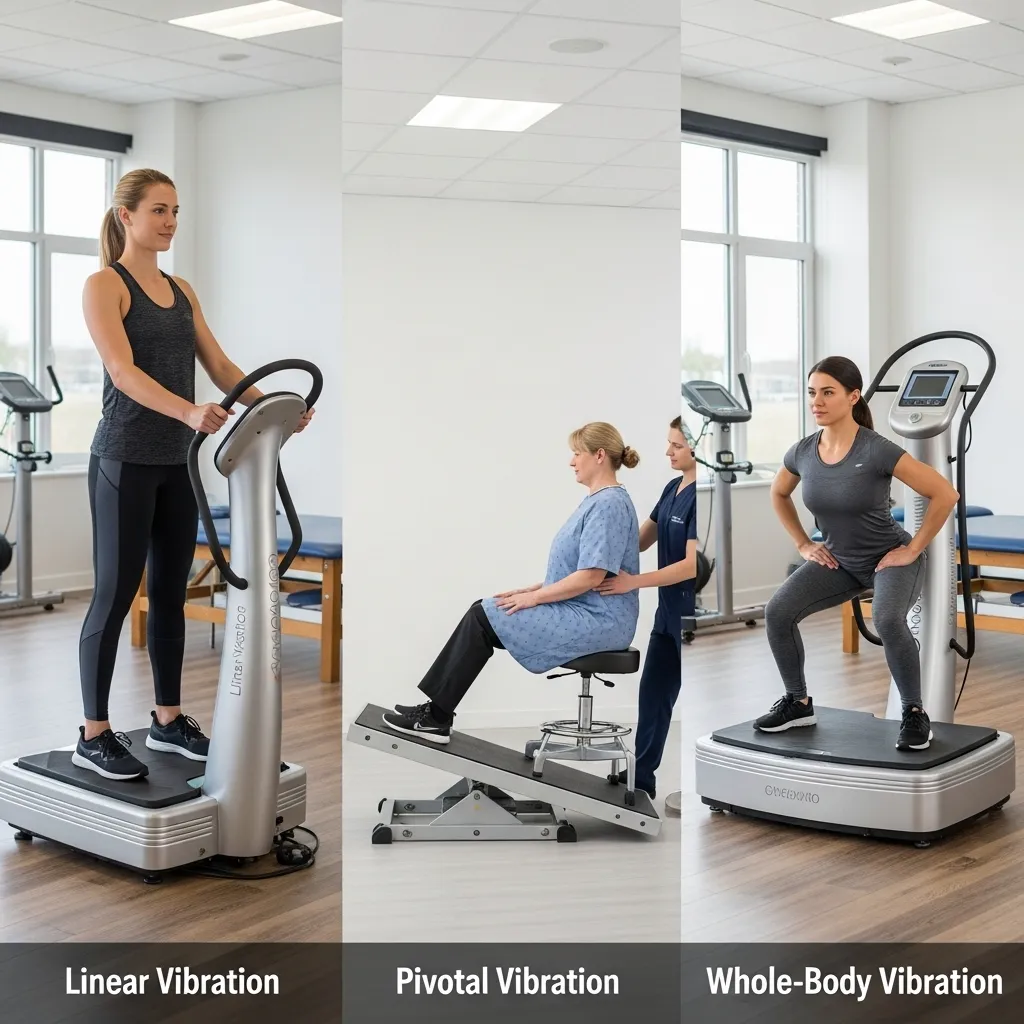
Vibration platforms come in several distinct varieties, each offering different movement patterns and benefits:
- Pivotal (Oscillating): Functions like a see-saw with alternating tilting movements around a central pivot point. This mimics the natural rotation of hips during walking and reduces vibration transfer to the head. Typically has a larger amplitude (10mm+) and produces side-to-side rocking of the pelvis.
- Linear (Vertical): The entire platform moves up and down simultaneously with smaller amplitudes (1-5mm). More focused on lower leg stimulation but may transmit more vibration to the head area.
- Tri-Planar: Vibrates in three dimensions (up/down, side-to-side, front/back), considered the most precise as every part of the platform vibrates at identical frequency and amplitude. Effectively targets deep tissue and enables dynamic movements.
Top 4 Vibration Platform Exercises That Actually Worked
After six weeks of testing numerous exercises, four specific vibration platform movements stood out with measurable results. These exercises consistently outperformed others in muscle activation, strength development, and overall effectiveness throughout my 60-day experiment. What Does a Hyperbaric Chamber Do? Doctor’s Guide also good guiding.
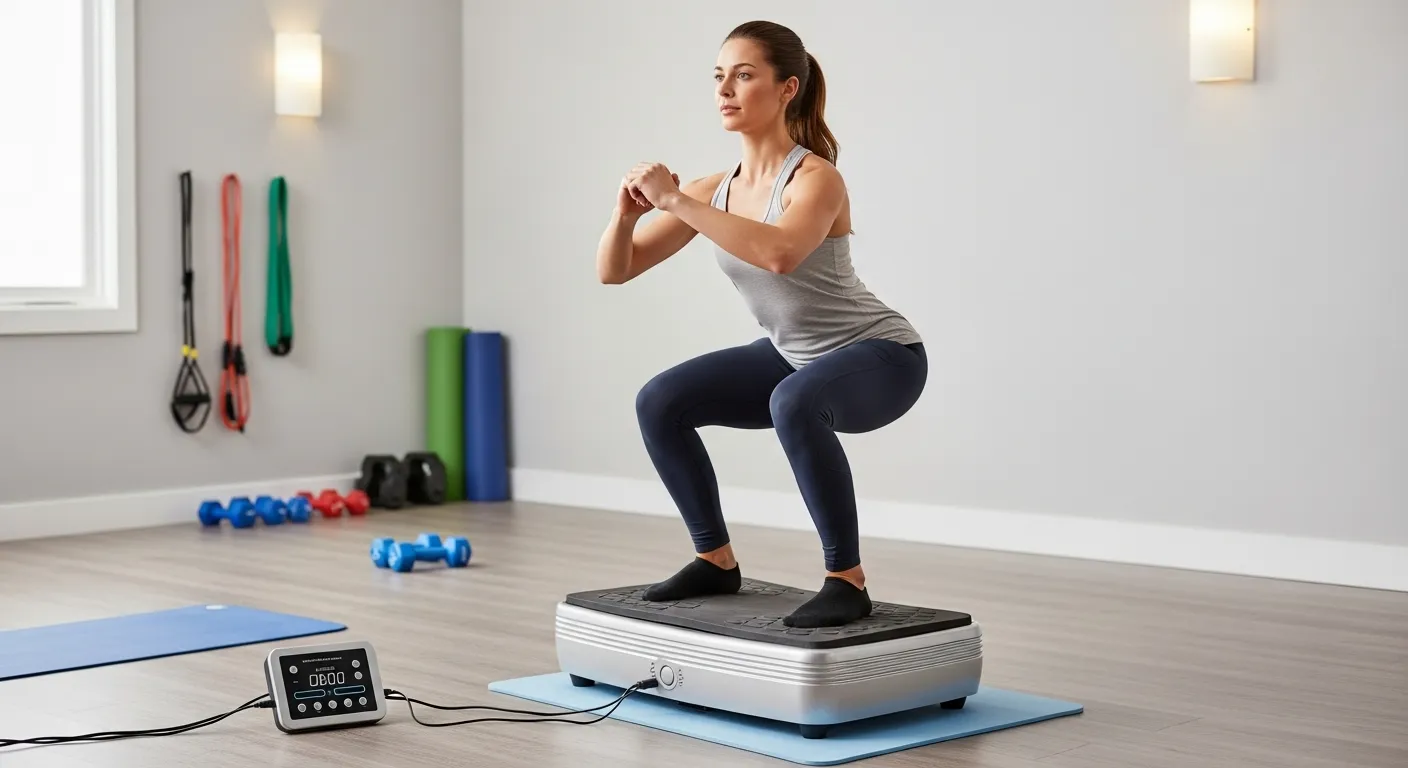
Squats on Vibration Platform
Squats emerged as the most effective vibration platform exercise in my testing. Research supports this finding, showing that squats performed on vibration platforms tend to deliver superior results in maximal strength and explosive power versus conventional squats. The key lies in proper form, feet shoulder-width apart, back slightly forward, and most importantly, ensuring knees don’t extend beyond toes. The vibration increases muscle fiber recruitment, making each rep more efficient. For beginners, I recommend starting with shallow squats, gradually progressing to deeper positions as strength builds.

Plank Holds with Vibration
Placing forearms or palms on the vibration plate transformed traditional planks into significantly more challenging core exercises. The rapid muscle contractions altered the isometric nature of planks, making them notably more efficient. Both high planks (palms on plate) and forearm planks showed excellent results, though I found the forearm position allowed longer hold times and better targeted upper back muscles. Start with 30-second holds, eventually building to 60 seconds for optimal results.
Calf Raises for Balance and Strength
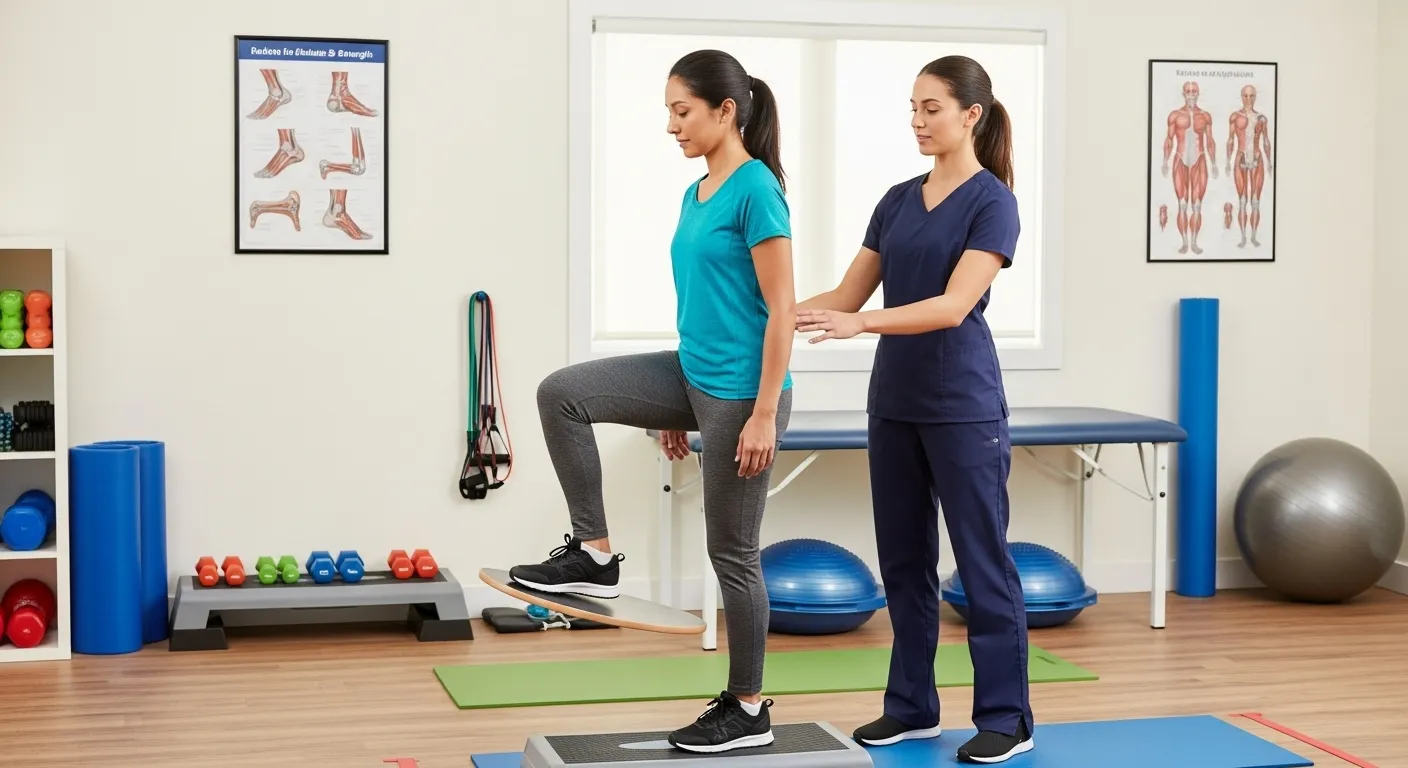
Perhaps the most surprising discovery was how effectively calf raises worked on the vibration platform. By positioning the balls of my feet on the edge of the plate and lowering heels slightly below platform level, I achieved remarkable calf definition. This exercise effectively worked calf muscles, intrinsic foot muscles, and improved circulation through an enhanced “muscle pump” effect. An unexpected benefit was improved balance and proprioception after just three weeks of consistent practice.
Seated Core Twists for Abs
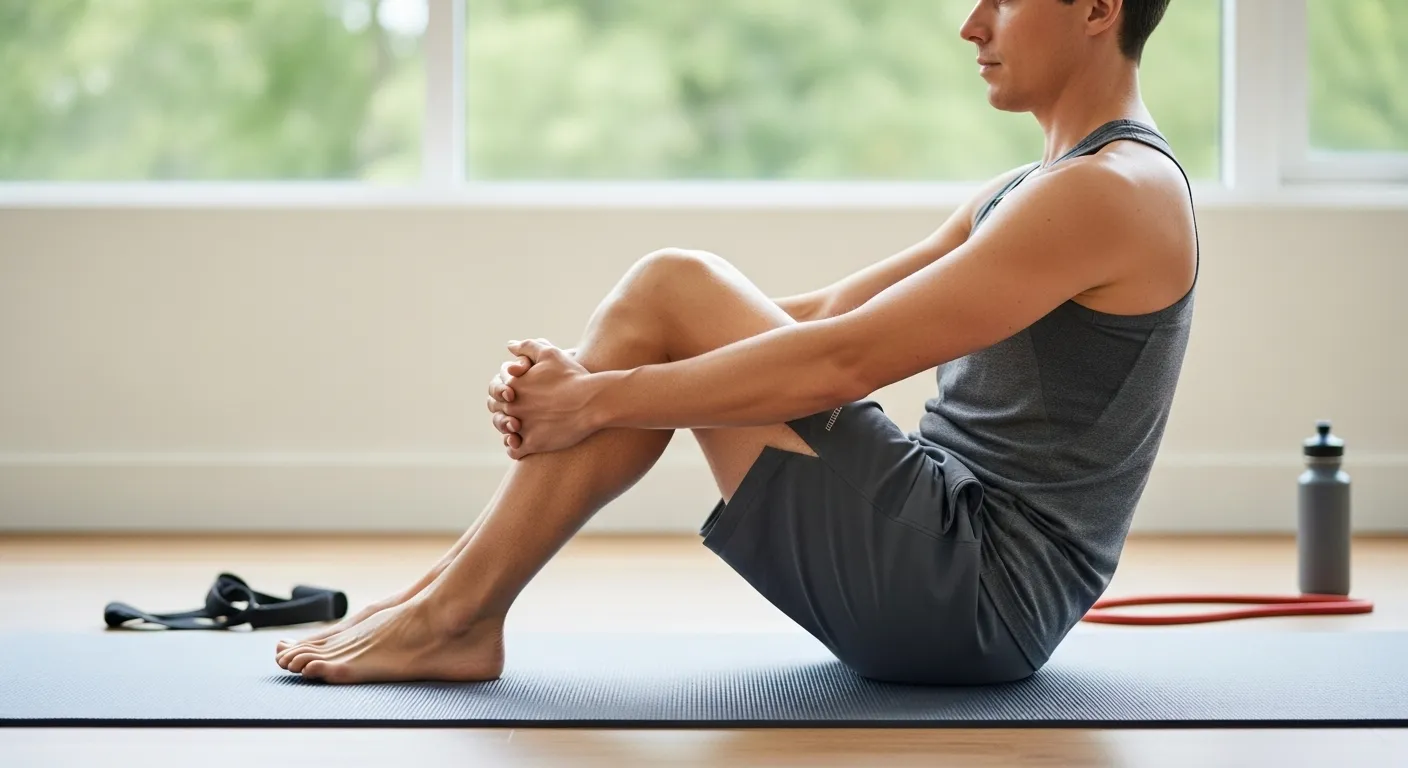
For abdominal definition, seated core twists proved exceptionally effective. By sitting on the vibration plate with feet elevated and twisting side to side, I engaged multiple abdominal muscle groups simultaneously. The vibration intensified the muscle contractions, making each twist more productive than traditional variations. This exercise was particularly effective at targeting the obliques, helping create better waist definition visible by day 45.
Results After 30 and 60 Days: What Changed?
My systematic tracking revealed significant physical changes throughout the 60-day vibration platform experiment. The results proved more substantial than I initially expected, especially in certain aspects of fitness and recovery. you can read our comparison guide about Red Light Therapy.
Body Composition and Weight Changes
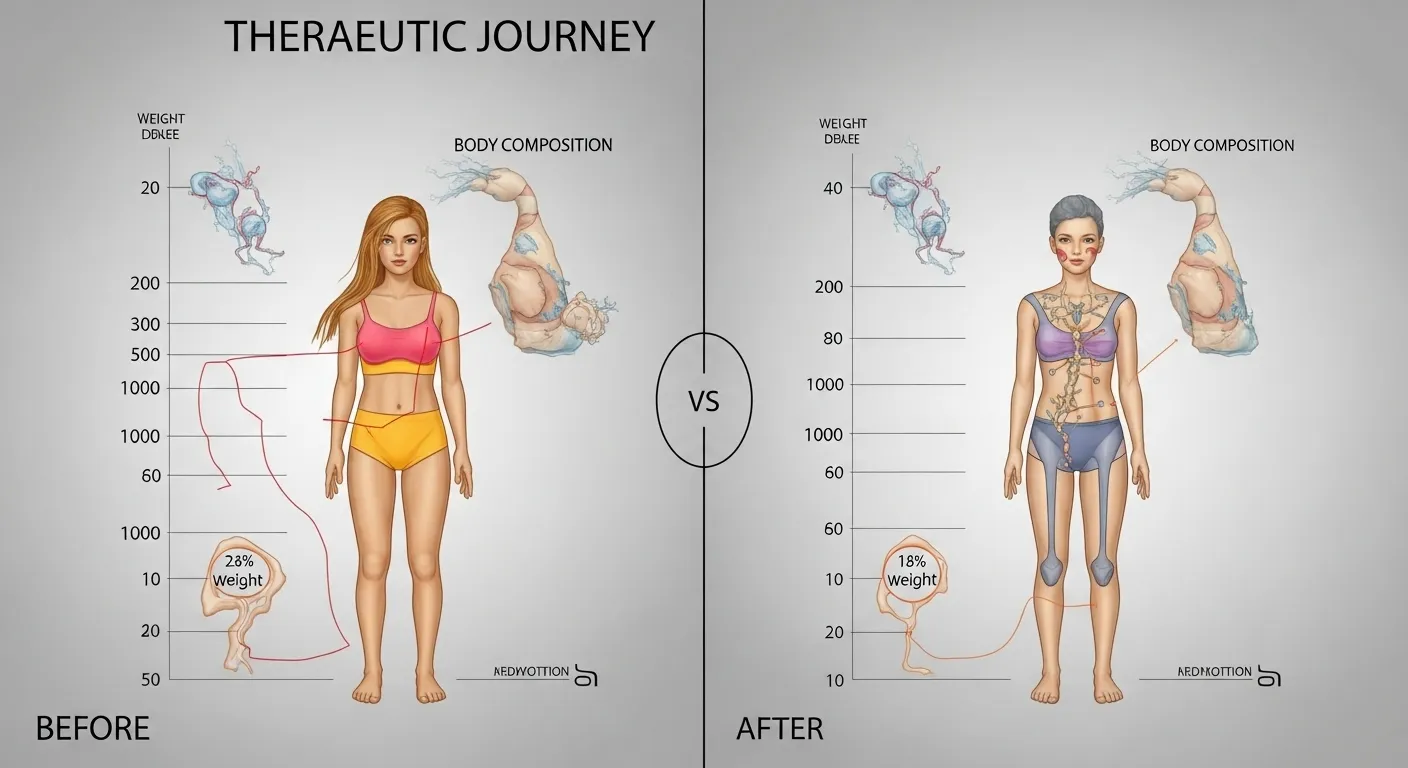
The most visible changes occurred in body composition. By day 30, I noticed modest reductions in waist circumference similar to research showing vibration training significantly decreases waist measurements. After 60 days, the results became more pronounced, mirroring studies where vibration plates proved better at reducing visceral fat than traditional exercise programs.
Although total weight loss remained modest, body composition analysis showed a shift toward increased muscle mass. This aligns with research indicating vibration training can increase muscle mass by approximately 2.2% over time, even when body fat percentage changes appear less dramatic.

Muscle Tone and Strength Gains
Strength improvements exceeded my expectations. Lower body strength increased noticeably by day 30 and continued improving through day 60. Studies support this observation, showing vibration training can increase leg strength by 9% after 6 weeks and up to 21% after 12 weeks.
Functional strength improved alongside esthetic changes. My testing revealed improved balance and stability during conventional exercises, resembling research outcomes where vibration training enhanced functional mobility.
Energy Levels and Recovery Time
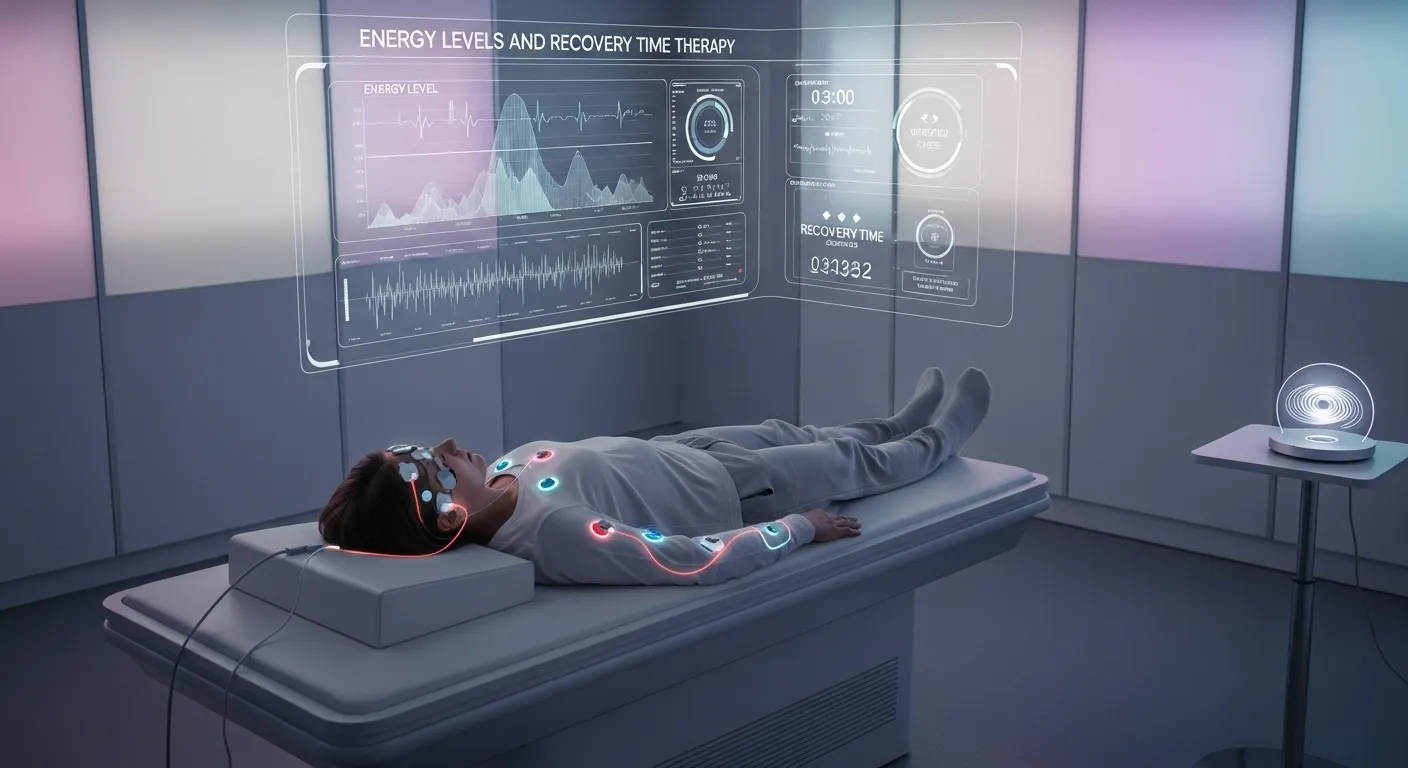
Perhaps most valuable was the improvement in recovery capacity. Post-workout recovery time decreased from 48 hours to approximately 30 hours by experiment’s end. This benefit likely stems from research showing vibration training increases energy expenditure and post-exercise oxygen consumption, enhancing the body’s recovery mechanisms.
Morning energy ratings improved from an average 6/10 to 7.5/10 by day 60, suggesting cumulative benefits beyond individual training sessions.
Unexpected Benefits and Challenges
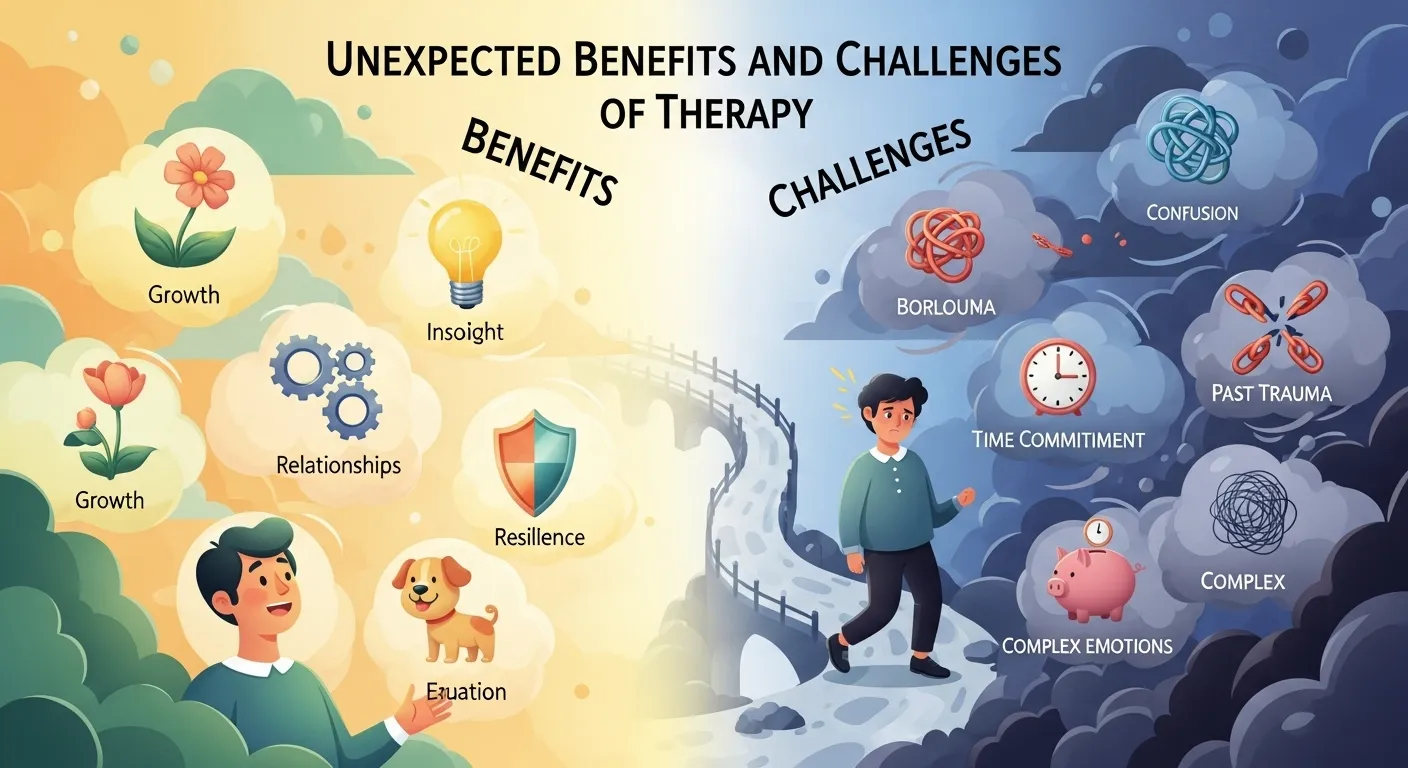
Several unanticipated benefits emerged, primarily improved sleep quality and reduced lower back discomfort after prolonged sitting. These findings parallel research showing vibration plate training can improve pain and function for people with chronic lower back pain.
The main challenge involved initial muscle soreness during the first two weeks as my body adapted to the new stimulus. Nevertheless, this adaptation period was shorter than typically experienced with conventional strength training.
Conclusion
After completing my 60-day vibration platform experiment, I can confidently say these devices offer more than marketing hype. My skepticism turned into optimism as real physiological improvements appeared, not overnight miracles, but steady, measurable progress.
The standout exercises, squats, planks, calf raises, and core twists, delivered consistent benefits when done correctly and with progressive intensity. They also improved recovery between regular workouts, making vibration platforms useful supplements rather than full replacements.
Body composition and strength gains were notable, especially around my midsection. Better sleep and reduced back discomfort were unexpected bonuses.
Vibration platforms aren’t cure-alls but work best for recovery, balance, and modest body improvements. Those expecting dramatic weight loss or huge muscle gains may be disappointed. you can read our comparison guide about Photodynamic Therapy Shows 90% Success in Skin Cancer also.
Ultimately, this experiment reinforced the value of evidence-based fitness. Vibration platform exercises do work, when practiced consistently, with good form, and realistic expectations.