
Red Light Therapy for Hair Loss: 650nm Proven Effective
Red light therapy for hair loss has gotten a lot of attention since pattern hair loss affects about 50% of men aged 50 or older and over half of women aged 80 or older. This common condition, also known as androgenetic alopecia (AGA), affects 60-70% of adults worldwide. Recent clinical studies show promising results to curb this widespread problem. Research reveals a strong connection between red light therapy and hair growth. Specific wavelengths stimulate follicle growth by penetrating the skin at shallow depths. The 650-nm red light promotes human hair follicle growth in experimental cultured-tissue models. This wavelength also delays the transition of hair cycle from anagen to catagen phases in vitro by a lot.
Many people ask “Does red light therapy help hair growth?” The answer looks increasingly positive. A detailed review of multiple studies found that low-level laser therapy (LLLT) increases hair density by a lot compared to control groups. Red light showed it could regrow thinning hair when used consistently over multiple months. The scientific community recognizes this treatment’s legitimacy. The National Library of Medicine made photobiomodulation a Medical Subject Heading term in 2015.
Red light therapy’s effectiveness for hair loss shows promise. Clinical evidence and reviews indicate patients see better hair growth and thickness. These results look encouraging, but only 32 home-use LLLT devices had FDA approval as of January 2020. This highlights the need to choose properly verified treatment options.
How Red Light Affects Hair Follicles
The microscopic world of hair follicles shows remarkable changes after exposure to red light therapy. This process works through several mechanisms at the cellular level that stimulate hair growth and prevent follicle miniaturization.
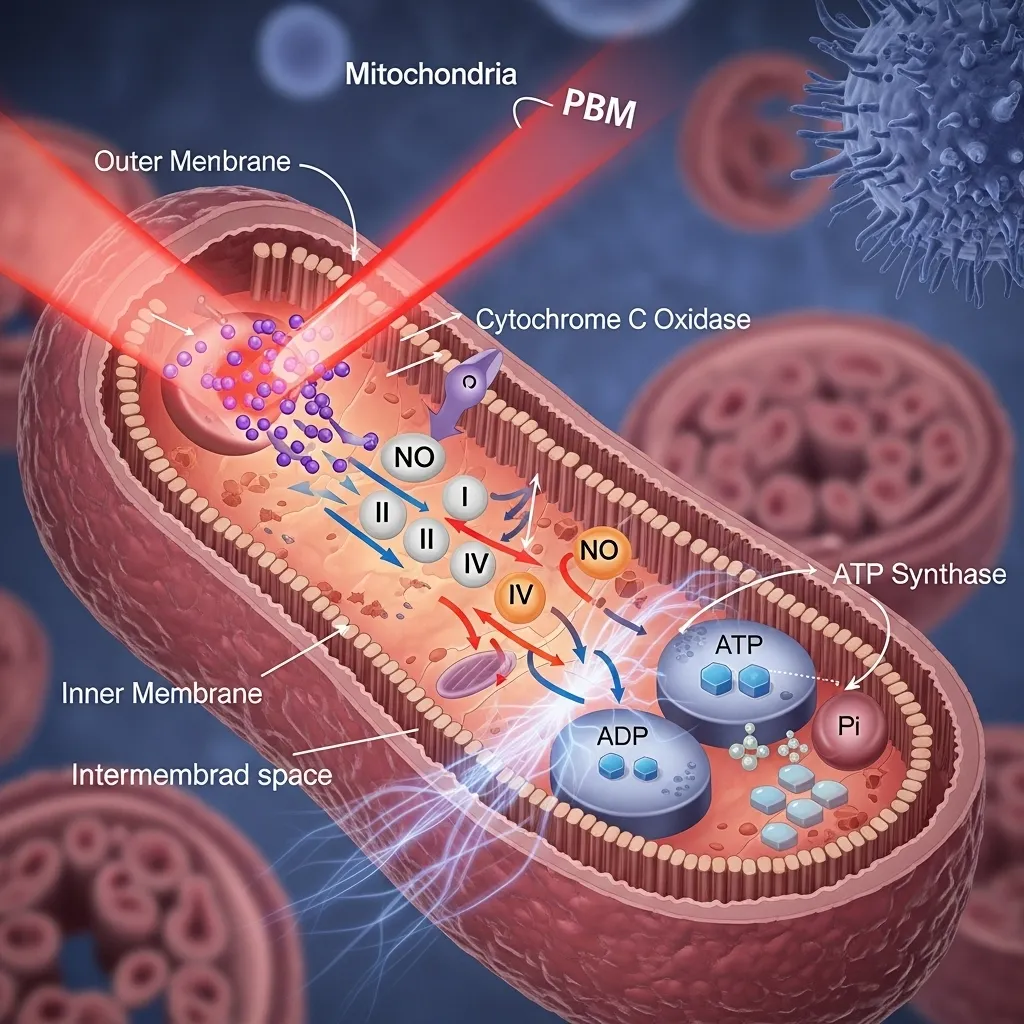
Photobiomodulation and ATP production
Red light wavelengths around 650 nm interact with cytochrome c oxidase (CCO), which is a vital enzyme in the mitochondrial respiratory chain. This interaction sets off a series of biochemical reactions that improve cellular function and repair. Light energy absorption causes CCO to release inhibitory nitric oxide from its copper and heme centers. This release increases electron transport and oxygen consumption. The process results in a notable boost in adenosine triphosphate (ATP) production, the cellular energy currency that hair growth needs.
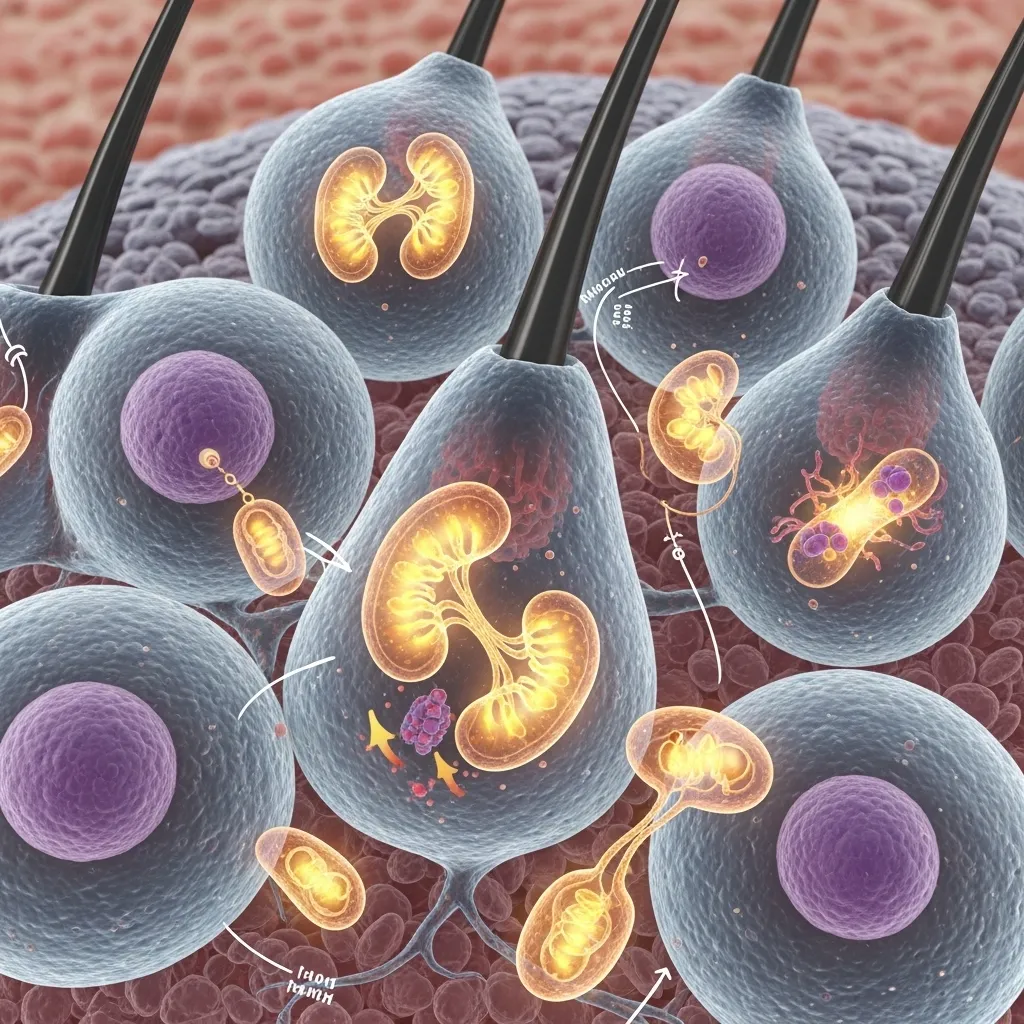
Mitochondrial stimulation in hair matrix cells
Mitochondrial stimulation plays a significant role in hair follicle development and cycling. Studies show that red light at 650 nm helps hair follicle proliferation and extends the anagen (growth) phase by regulating the cell cycle. Mitochondrial activity becomes especially important during the shift from telogen (resting) phase to anagen phase. Red light therapy application to the scalp jumpstarts ATP production in follicle tissue. This boost increases blood flow and delivers more oxygen and nutrients to hair cells.
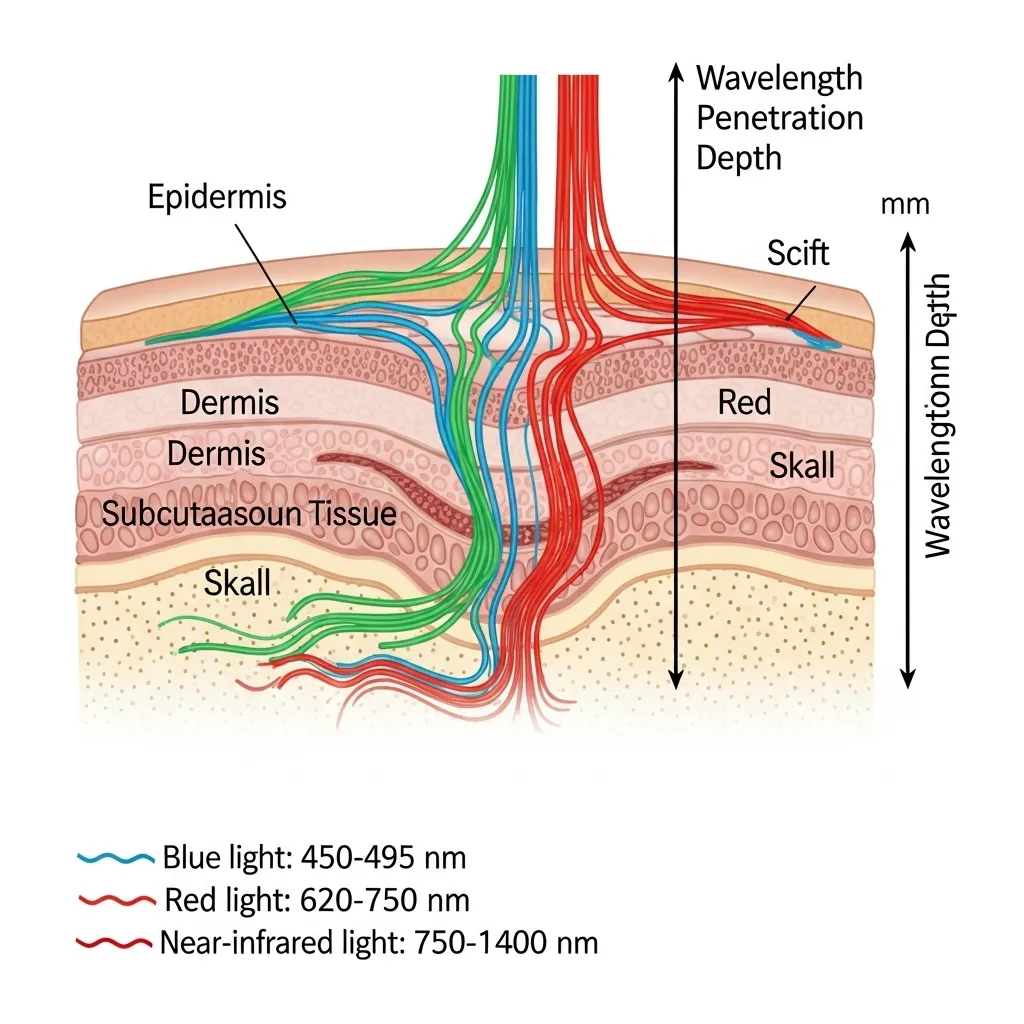
Wavelength penetration depth in scalp tissue
Red light therapy must penetrate deep enough through scalp tissue to reach the follicles to work against hair loss. The 650 nm wavelength sits within the “optical window” of mammalian skin, where maximal light absorption happens. Penetration depth depends on several factors like irradiance, tissue thickness, and bone/muscle composition. Light penetration increases with higher irradiance and shows better results in females than males. The 650 nm wavelengths reach hair follicles in the epidermis and dermis effectively.
Clinical Evidence Behind 650nm Wavelength
Laboratory tests show that 650nm red light wavelength works to promote hair growth in controlled ex vivo experiments. The research explains why this specific wavelength shows promise to treat androgenetic alopecia.
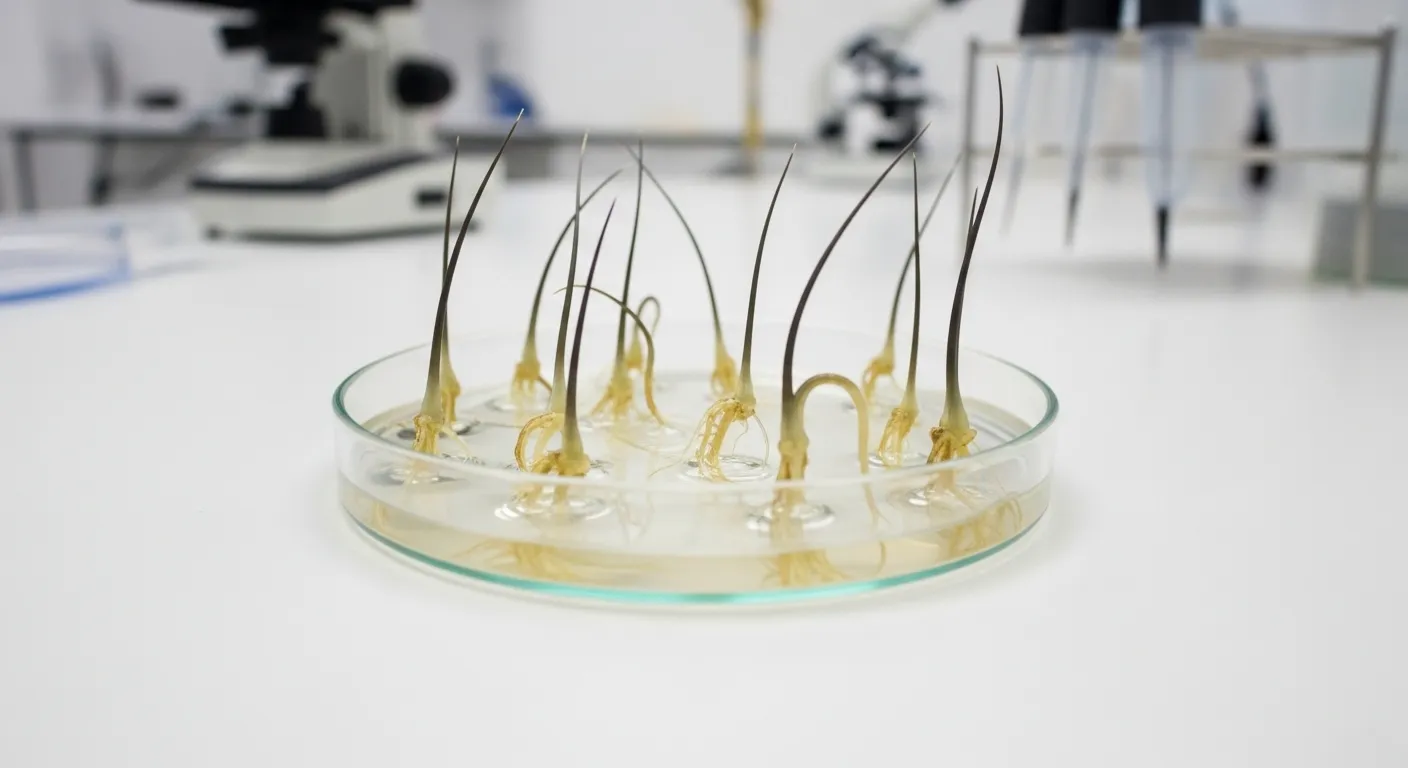
Ex vivo hair follicle elongation results
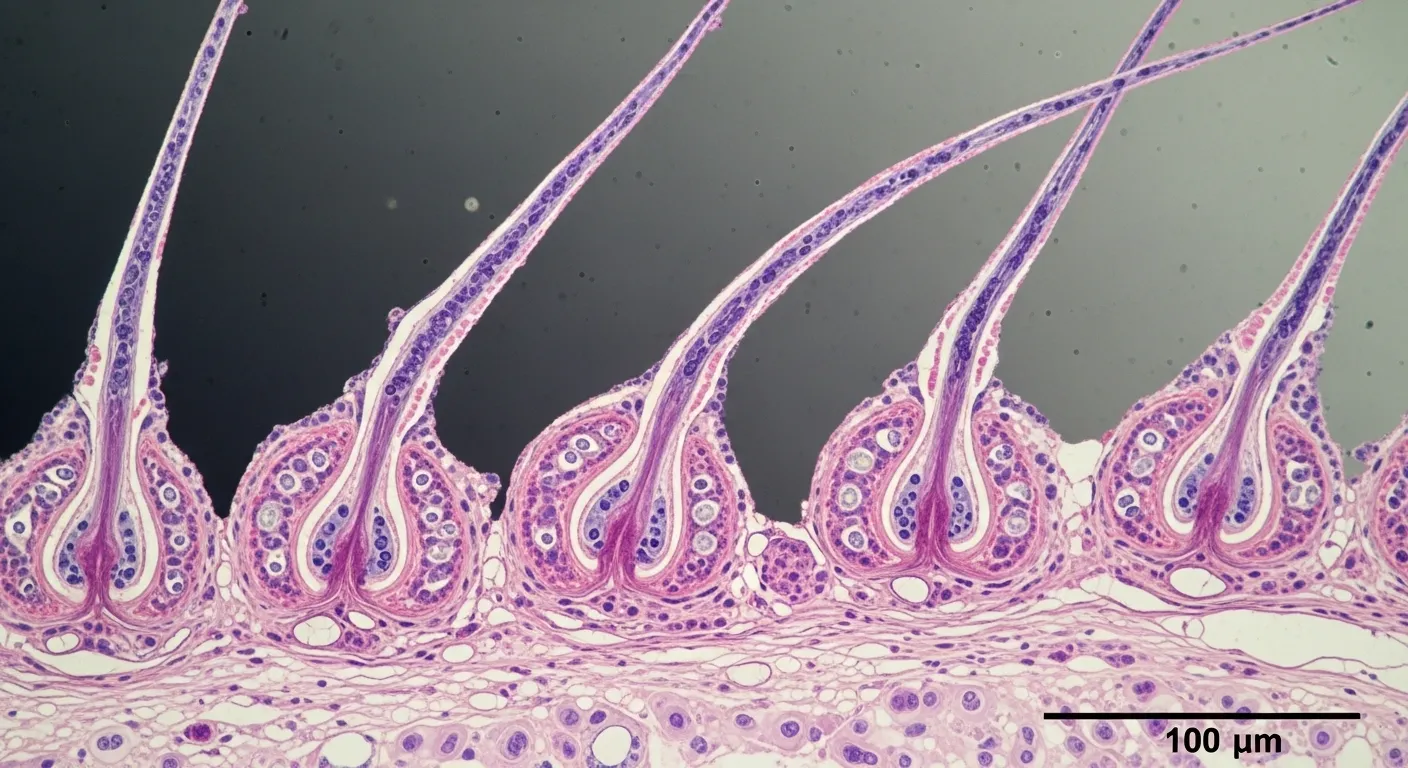
Several studies with cultured human hair follicles show that 650nm red light stimulates measurable growth. Hair follicles exposed to 5-minute treatments of 650nm light grew substantially longer compared to untreated control groups. The results from 10-minute exposure were less dramatic, which suggests an optimal treatment duration exists. Research revealed that follicles treated with 660nm light grew 20% longer than controls, while 830nm treatment led to 17% greater growth. These findings clearly link red light therapy to improved hair growth through ex vivo models.
Delayed catagen phase in treated follicles
The most notable clinical finding shows how 650nm light knows how to extend the anagen (growth) phase of hair follicles. Untreated follicles moved to catagen phase by day 6, while 650nm-treated follicles stayed in anagen until day 8. Analysis on day 8 showed that 45.8±4.8% of treated follicles remained in anagen compared to only 33.3±6.8% in control groups. The treated follicles (54.1±4.8%) that entered catagen phase were fewer than controls (66.6±6.8%). This delayed transition is a vital mechanism that makes red light therapy work to curb hair loss.
Pathways Activated by 650nm Red Light
Recent molecular research shows how red light therapy 650nm hair growth works beyond just visible hair growth changes. Scientists have uncovered complex signaling networks that explain why this specific wavelength helps treat hair loss at the cellular level.
Wnt/β-catenin signaling upregulation
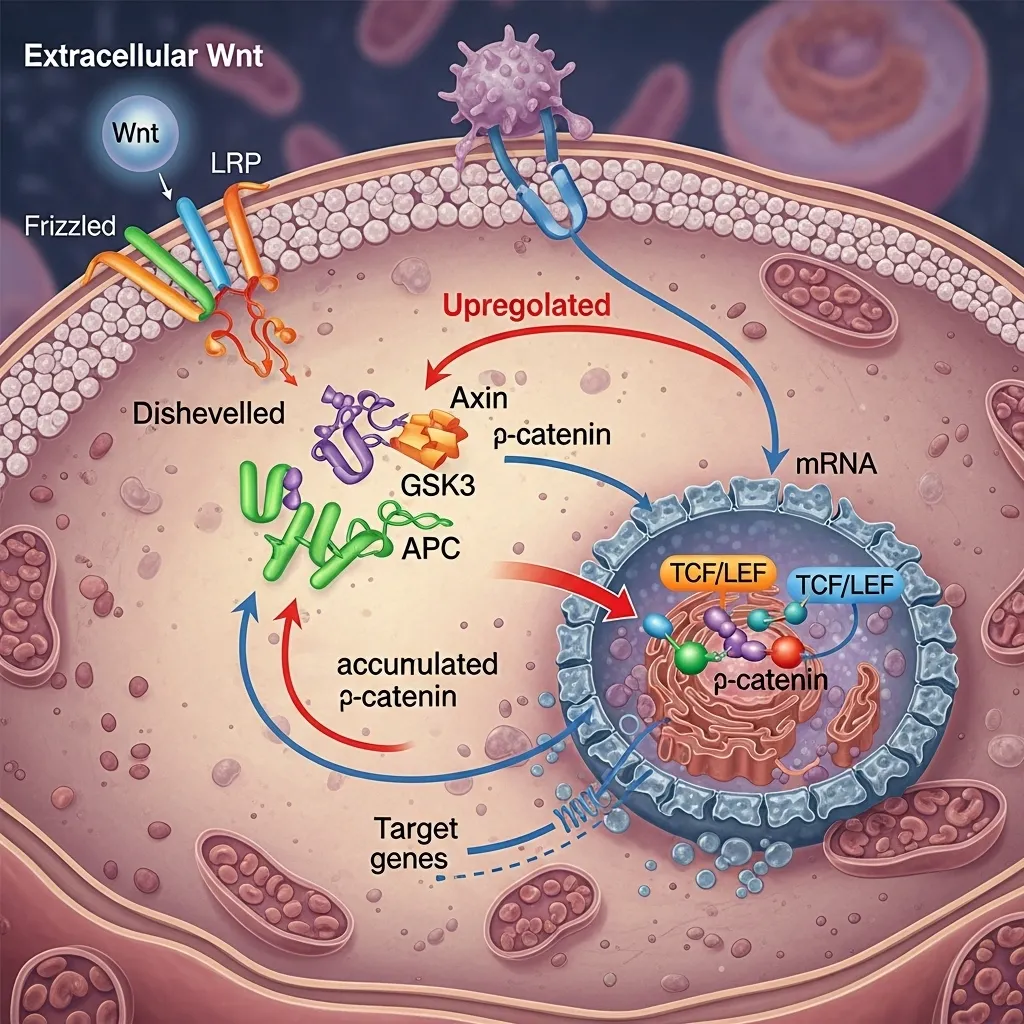
The Wnt/β-catenin pathway is the foundation of hair follicle development and cycling. Studies show that 655nm red light helps hair shaft growth by turning on this vital signaling cascade. Hair matrix cells respond with increased levels of key molecules, β-catenin, phosphorylated GSK3β, and Lef1. This pathway activation fights against pattern hair loss, which happens when Wnt/β-catenin signaling gets disrupted.
Leukocyte transendothelial migration suppression
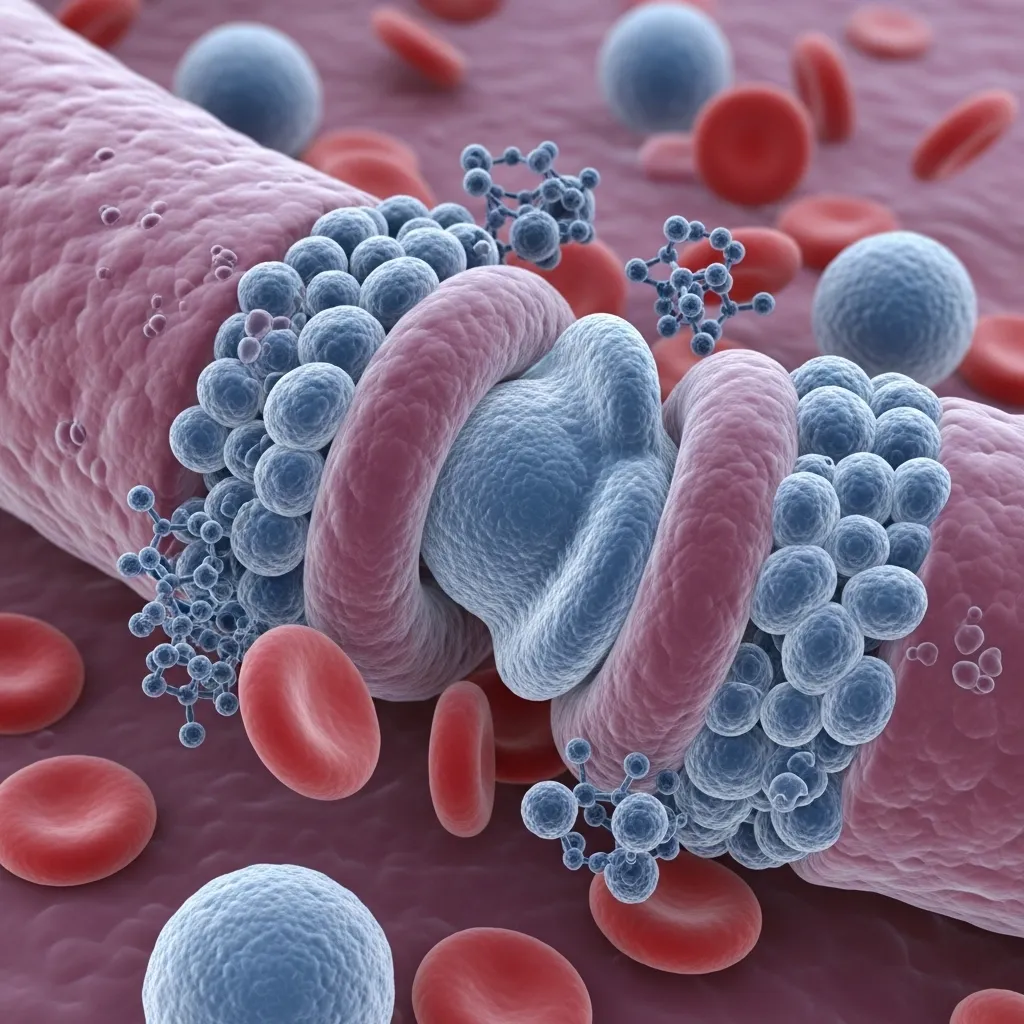
RNA sequencing reveals an interesting effect: 650nm red light stops leukocytes from migrating and infiltrating, which protects hair follicles from inflammation. This process involves several genes like CTNNB1, RAP1B, GNAI1, JAM3, CLDN5, and VCAM1 that control immune cell movement through blood vessel walls. The light creates better conditions for follicle health by reducing inflammation that leads to hair thinning.
Metabolic and lysosomal gene activation
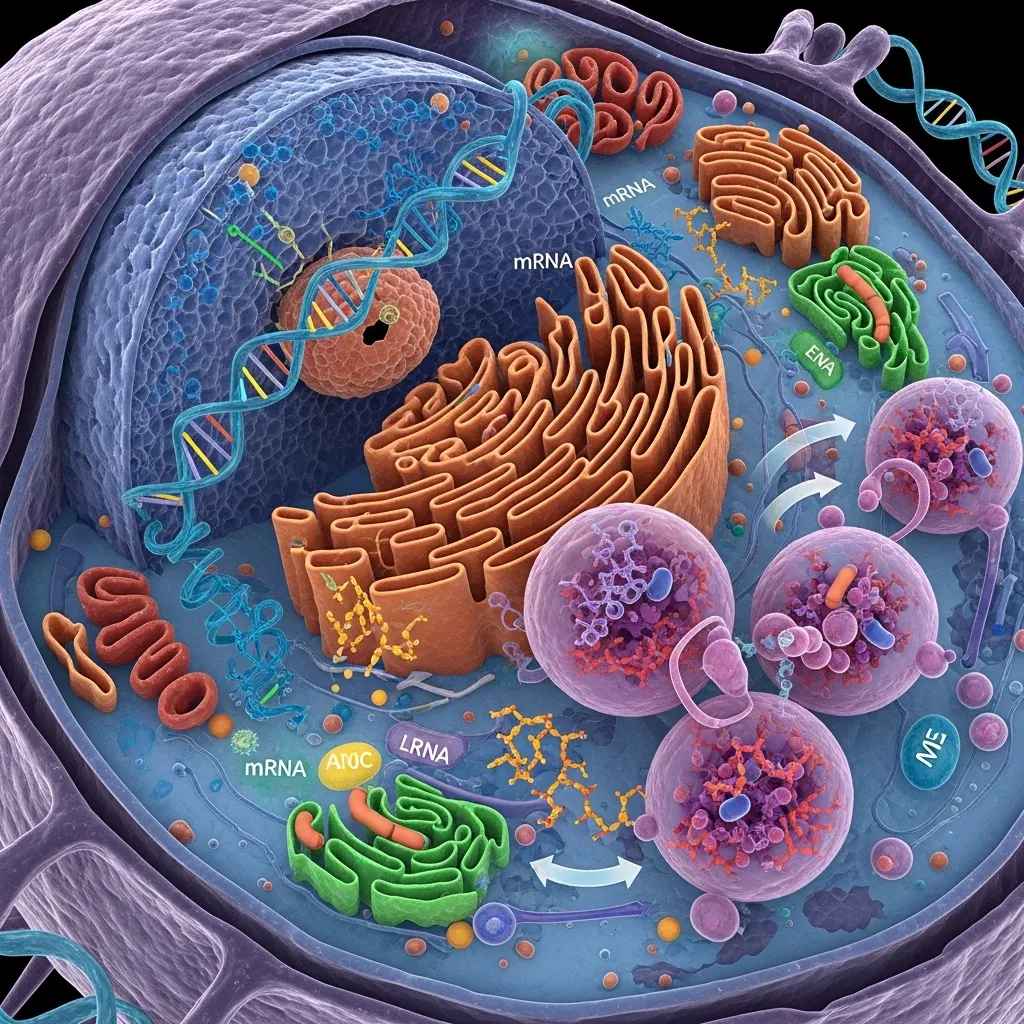
The third mechanism focuses on metabolic and lysosomal pathways. KEGG analysis found that 650nm exposure enriches valine, leucine, and isoleucine breakdown pathways, lysosomal pathways, and general metabolic pathways. These metabolic changes boost energy production needed for hair growth. The red light also changes how cells produce extracellular matrix proteins, including metalloproteinases and collagen types that keep follicle structure intact.
At-Home vs Clinical Red Light Devices
The growing market for at-home red light therapy 650nm hair growth devices offers various technologies with different levels of effectiveness. Users need to understand how professional and consumer options work to get the best results.
Power output differences in LED vs LD
These devices work in fundamentally different ways. Laser diodes (LD) create coherent, concentrated light that reaches deeper into the scalp, while Light Emitting Diodes (LED) produce non-coherent light that spreads out. Research shows LEDs offer 16% better transmittance through skin samples. Clinical data shows both technologies work well when properly applied.
Helmet vs comb-type device efficacy
The design of these devices determines how well they work and how easy they are to use. Helmet-type devices cover the entire scalp evenly and work without holding them. Comb-type tools need manual movement and work better for specific thinning areas. Research shows both helmet and comb-type devices improve hair density equally well.
FDA-cleared devices and treatment protocols
By 2020, the FDA had cleared 32 LLLT devices, which proves they meet safety standards. These devices typically use 630-680 nm wavelengths. Users need to apply them 3-5 times weekly for 10-30 minutes each session. Results become visible after 6 months of regular use.
Limitations of home-use devices
Home devices pack less power than clinical versions, so they might take longer to show results. They don’t help much with completely bald areas where hair follicles no longer function.
Conclusion
red light therapy 650nm hair growth wavelength has emerged as a breakthrough in non-invasive loss treatments. Studies show this wavelength reaches hair follicles and boosts growth by extending the anagen phase and delaying the catagen transition. Consistent treatment improves hair density and strand thickness by boosting ATP production and cellular energy through cytochrome c oxidase activation.
The 650nm light also enhances Wnt/β-catenin signaling, reduces inflammation, and supports follicle metabolism, creating ideal conditions for regrowth. Both professional and home-use devices work well with regular use; helmet and comb designs show similar results. FDA-cleared devices are recommended, with visible results after about six months. This therapy offers a proven, drug-free way to combat pattern hair loss, bringing new hope to millions worldwide.