How Long Does Red Light Therapy Actually Take to Work?
You’re probably curious about how quickly red light therapy shows results. The first session might leave you feeling relaxed, but visible changes usually take one to three months of regular treatments. Let me share what I learned from my deep dive into this LED therapy. The science behind it is fascinating. Red light therapy boosts your body’s natural repair processes by stimulating cell mitochondria.
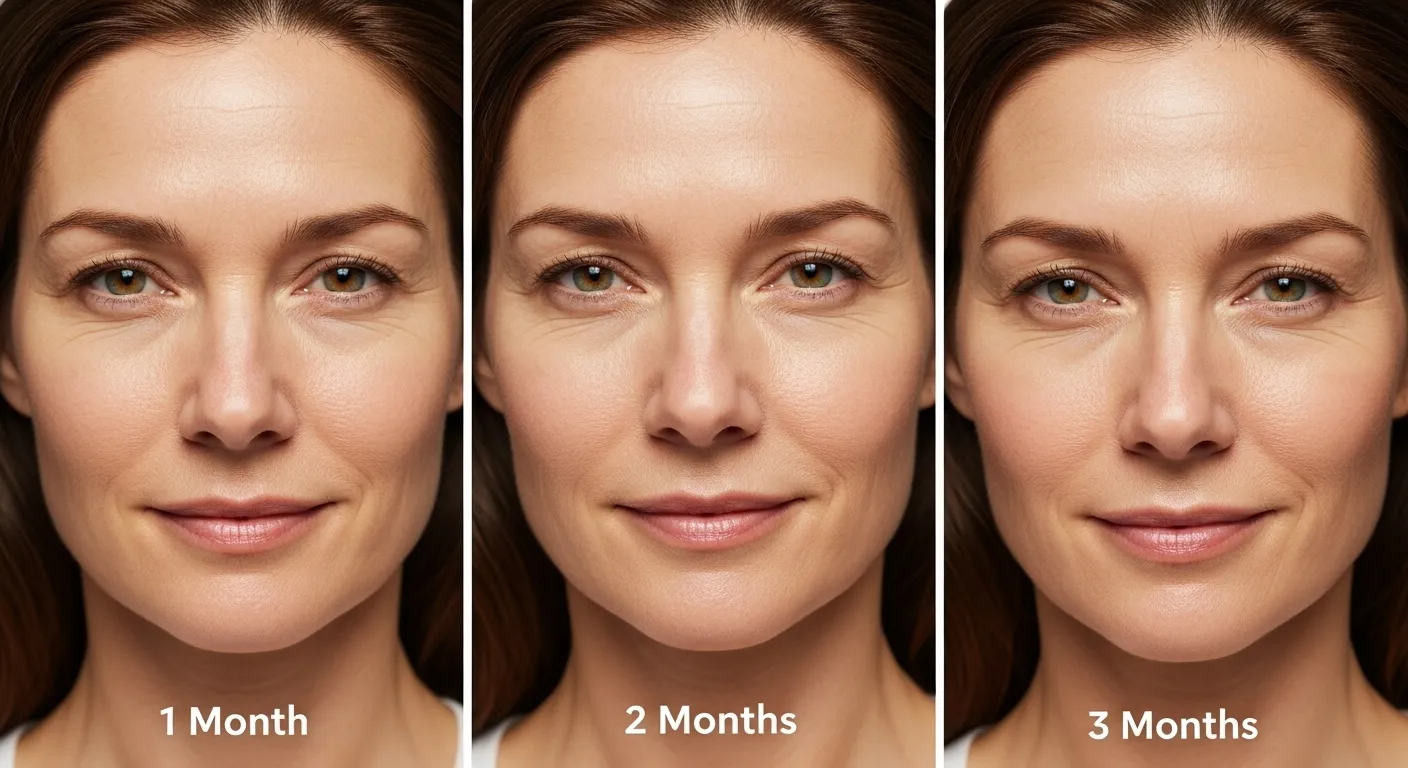
You’ll need some patience though. A few weeks in, users often see their skin tone becoming more even. The biggest changes take more time to show up. A study with LED masks showed impressive results: crow’s feet reduced by 15.6% after one month, 34.7% after two months, and reached 38.3% after three months of twice-weekly sessions. People dealing with chronic conditions or deeper skin problems might need to wait four to twelve weeks to see real improvements. Let me break down what you should expect when you start red light therapy. We’ll look at realistic timelines for different skin issues and what might affect your results.
How red light therapy works on a cellular level
Red light therapy makes use of specific light wavelengths that trigger healing in your cells. RLT starts working in your cells right away, though you’ll need to be patient to see visible results, unlike medications that might take weeks to work.
How it stimulates skin and tissue repair
The real magic happens in your mitochondria, your cells’ energy powerhouses. Red light passes through your skin and gets absorbed by cytochrome c oxidase, a crucial part of the mitochondrial electron transport chain. This speeds up electron transfer in the respiratory chain and creates more adenosine triphosphate (ATP), the energy your cells need.
Your cells work better with this energy boost and kick-start various healing processes. Red light gets fibroblasts to produce more collagen, improves blood flow, and reduces inflammation. The light also releases nitric oxide, which opens up blood vessels and helps deliver more oxygen to tissues. These effects work together to heal wounds faster, reduce inflammation, and repair tissue better.
Why it’s different from UV or laser treatments
Red light therapy is safe and gentle on your skin, unlike UV light which can damage DNA and lead to skin cancer. Even high doses of red light up to 1280 J/cm² don’t harm DNA. RLT is also quite different from laser treatments. Lasers use powerful, concentrated beams that can be invasive.
Red light therapy spreads gentler light energy over a larger area, which makes it perfect for regular use without any downtime. LED-based RLT devices are becoming more common than laser-based ones. These newer devices are safer, can treat larger areas, and cost much less.
How long does red light therapy take to work by condition
Red light therapy results change by a lot based on your condition. I looked at clinical studies and patient experiences to create realistic timelines that show you what to expect.
Acne and inflammation: 2 to 12 weeks
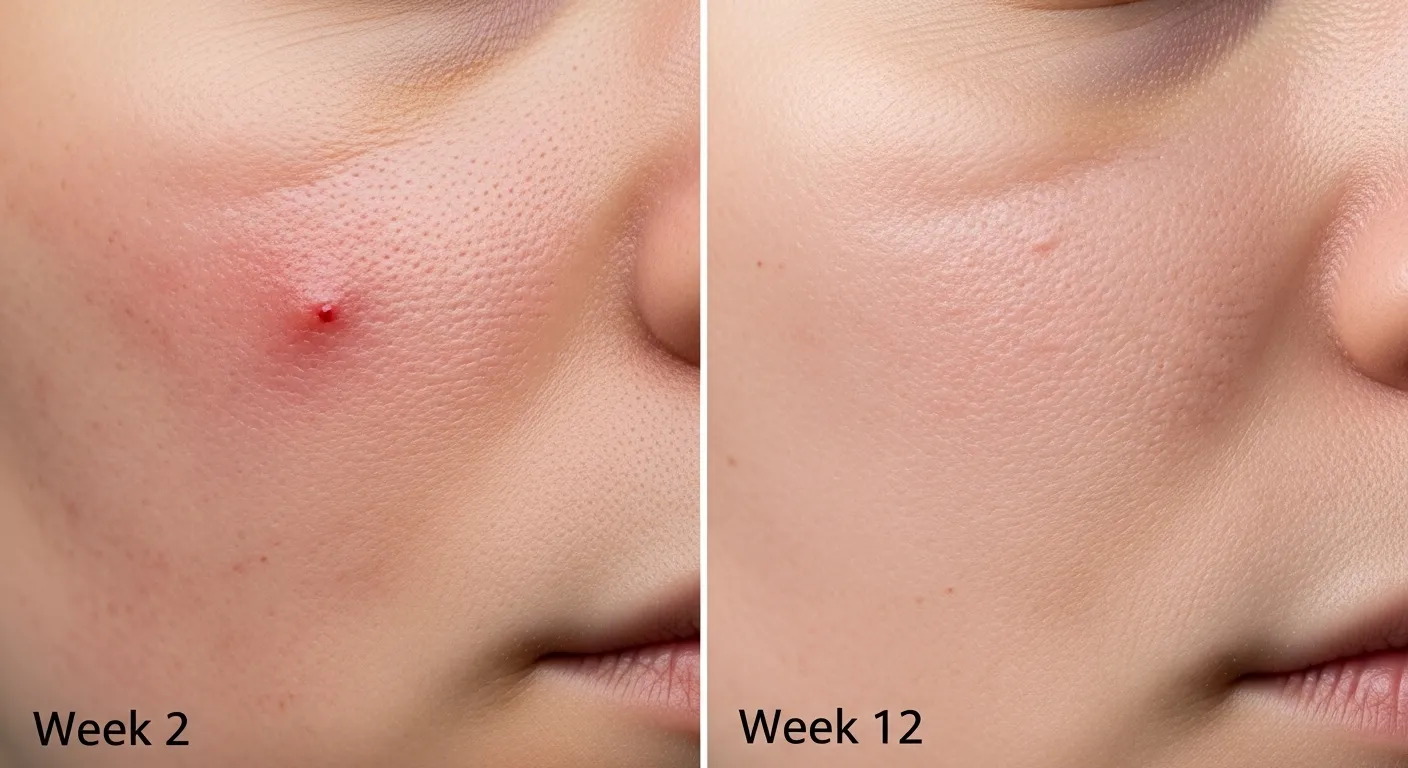
People with mild to moderate acne see their original improvements within 2 to 6 weeks. We noticed less redness and fewer breakouts in the first 2-4 weeks as inflammation settles. Many users get clearer skin with fading acne marks by weeks 4-6. Research shows that 91% of patients had partial clearing of acne lesions in just 4 weeks on average.
Scars and wound healing: from 3 weeks
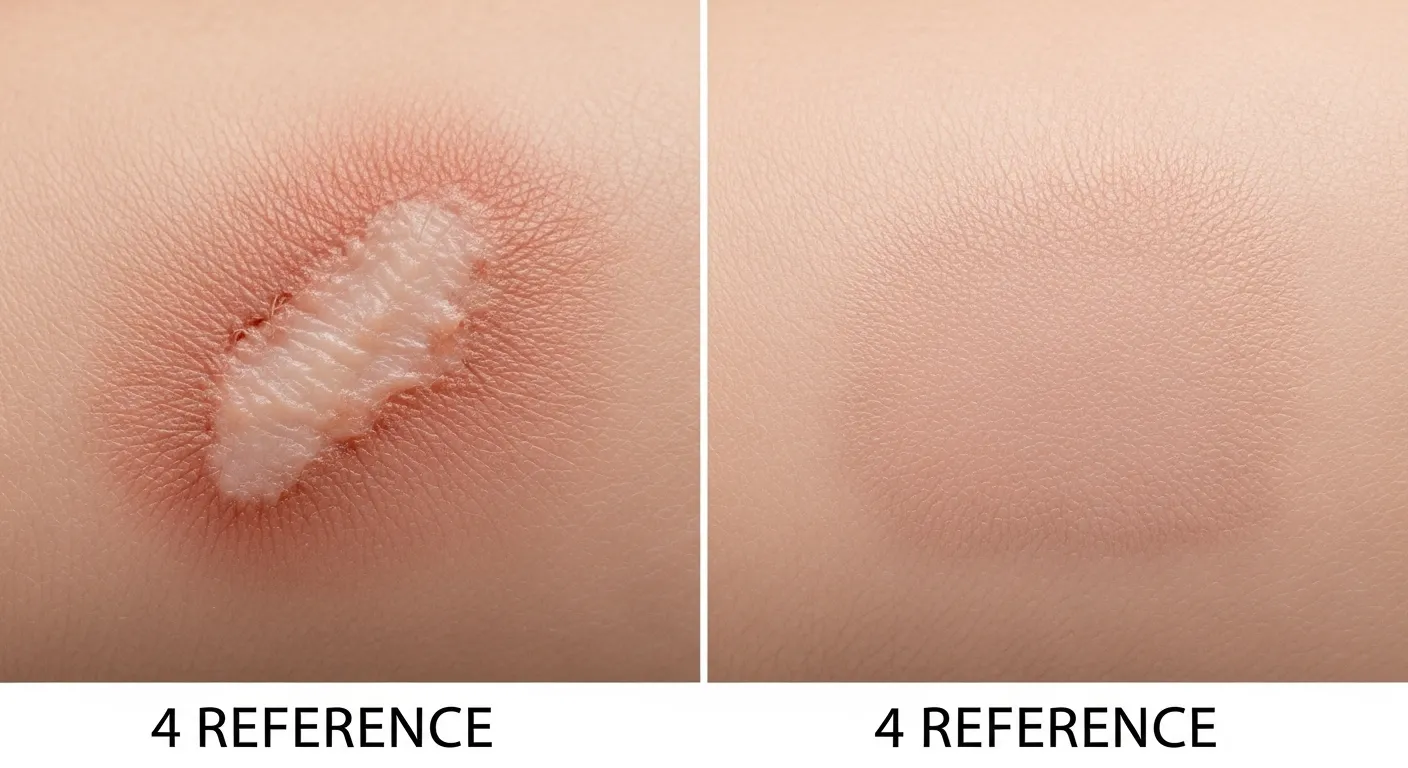
Red light therapy speeds up wound healing remarkably. Scars start to improve visibly in just three weeks with consistent treatment 2-3 times weekly for 10-15 minutes. LED-RL phototherapy treatment three times weekly made surgical scars more flexible with better appearance. The scars treated with low doses showed 62.5% less hardening after six months.

Hyperpigmentation and dark spots: around 3 months
Dark spots take time to fade, and studies show gradual improvement over 8-12 weeks. The skin’s texture gets better at 2-4 weeks, newer spots start fading at 4-8 weeks, and hyperpigmentation reduces noticeably at 8-12 weeks. Deeper or stubborn spots might need treatment beyond 12 weeks to get maximum benefits.
Anti-aging and wrinkles: 1 to 3 months
You’ll notice better skin texture within 4 to 12 weeks of regular treatment. Your skin becomes more hydrated with a subtle plumping effect as collagen production increases during weeks 4-6. The changes become more visible between weeks 8-12, and you’ll see fewer fine lines with better skin elasticity. A study with LED masks revealed that people saw overall skin improvements after just one month of twice-weekly 12-minute sessions, and these benefits continued to grow for up to three months.
Key factors that affect how quickly red light therapy works
Several factors determine how quickly red light therapy works for you. These factors help you set realistic expectations about your treatment timeline.
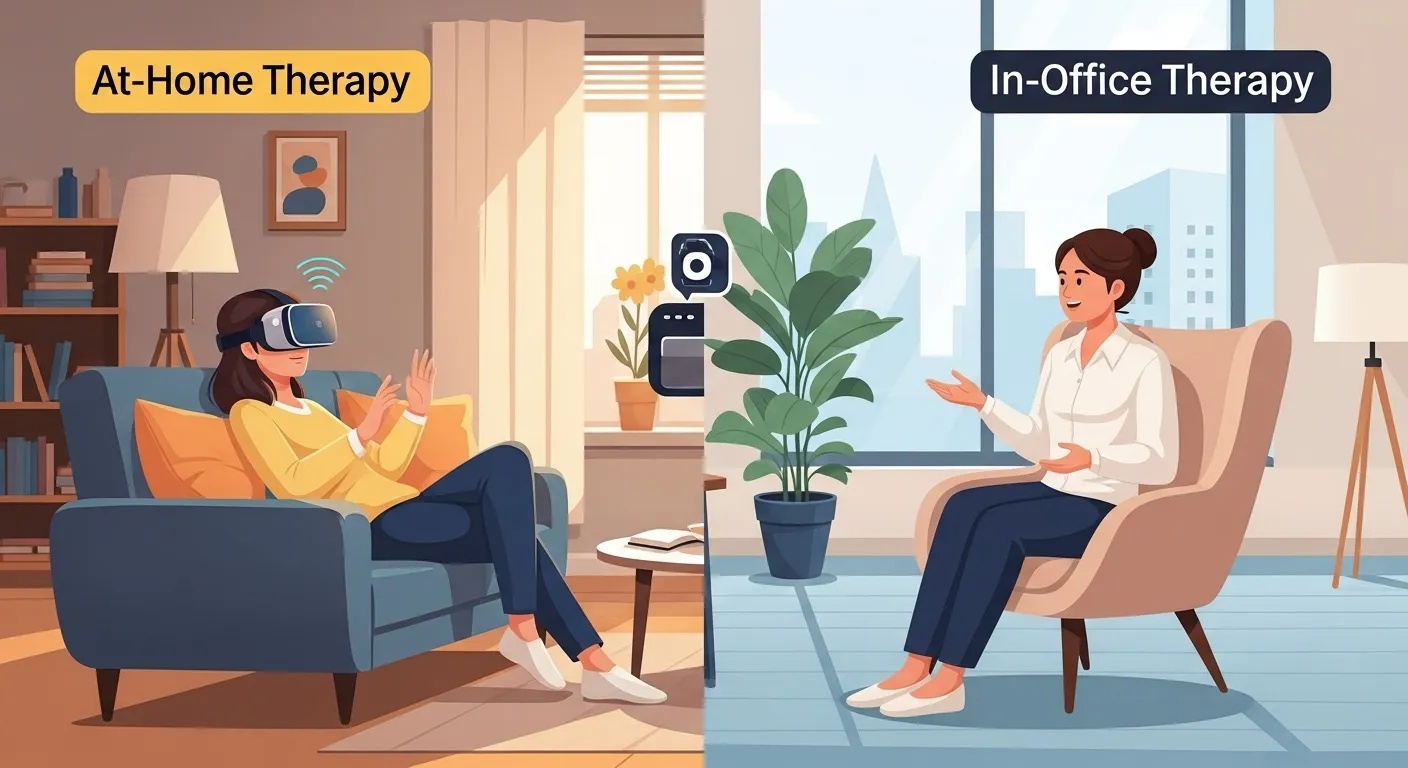
Device type: at-home vs in-office
In-office devices give more powerful treatments than at-home options. This leads to faster results in most cases. Professional equipment offers stronger wavelengths and better coverage. Home devices work well but need more time to show similar results. The clinic treatments use advanced technology that reaches deeper into tissues and boosts cell stimulation.
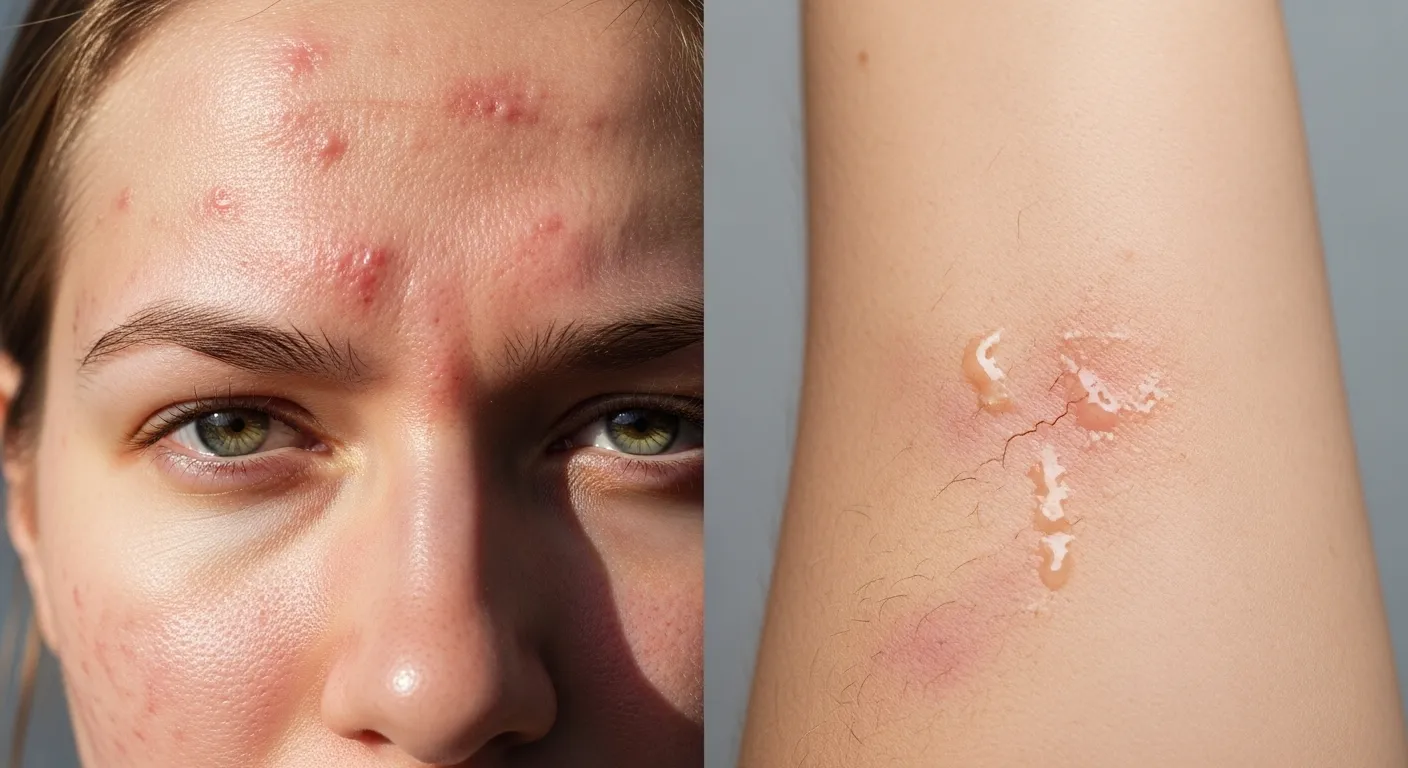
Skin type and severity of condition
Your skin’s characteristics shape your treatment outcomes. Research shows that light skin types handle full treatments without side effects. Dark skin types might need adjusted protocols. The starting point of your condition matters too. Serious skin issues need more time to show improvement.

Session frequency and duration
The best approach includes 10-20 minute sessions. Most experts suggest 3-5 sessions every week when you start. Once you see improvements, you can switch to 1-2 sessions weekly to maintain results. Of course, longer sessions won’t speed up your results. They might even irritate your skin.
Tips to get faster and better results from red light therapy
Getting the best results from red light therapy depends on good technique and consistency. Small changes to your routine can boost improvements by a lot.
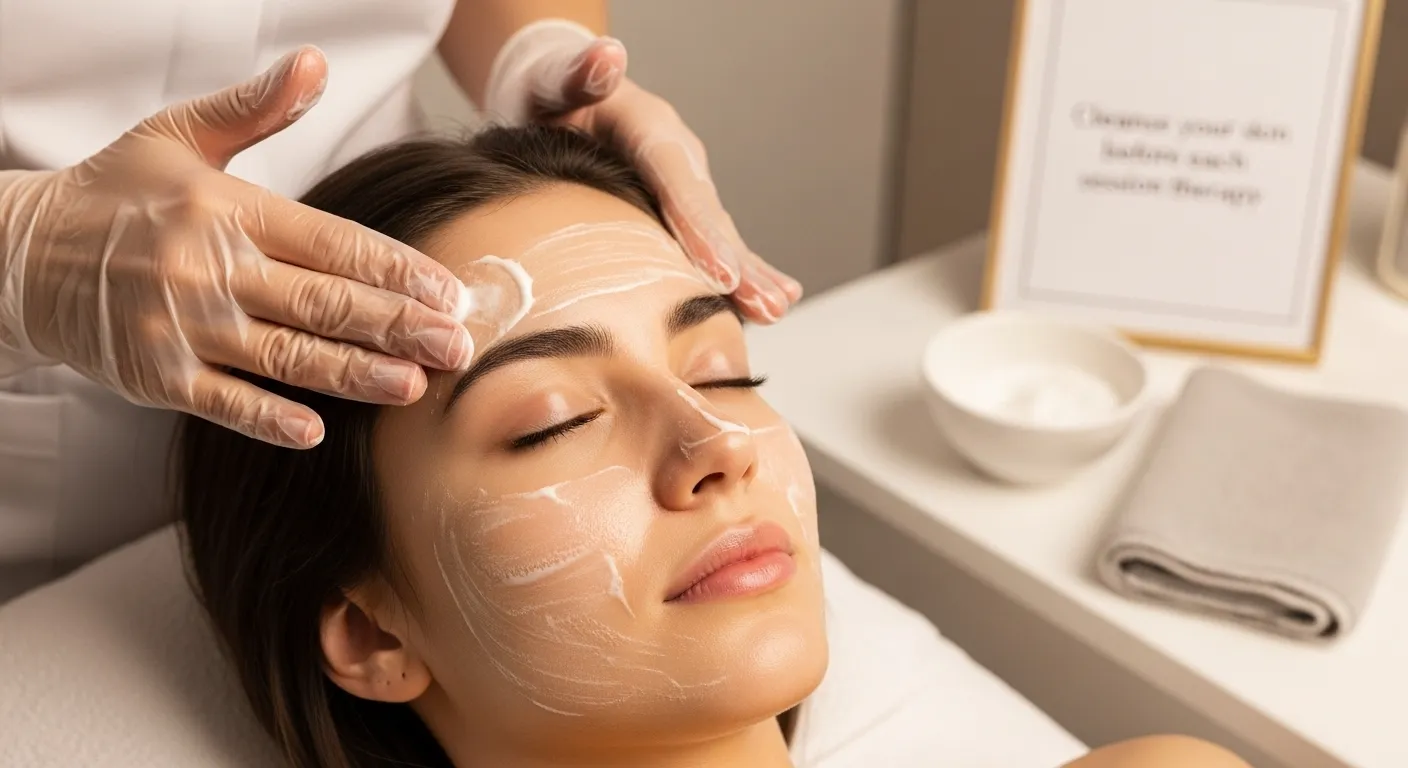
Cleanse your skin before each session
Clean skin is essential to start. You need to remove all makeup, oils, and impurities that might block light from penetrating. A gentle, non-drying cleanser works best. Make sure your skin is completely dry before treatment since moisture can reflect light and make it less effective.
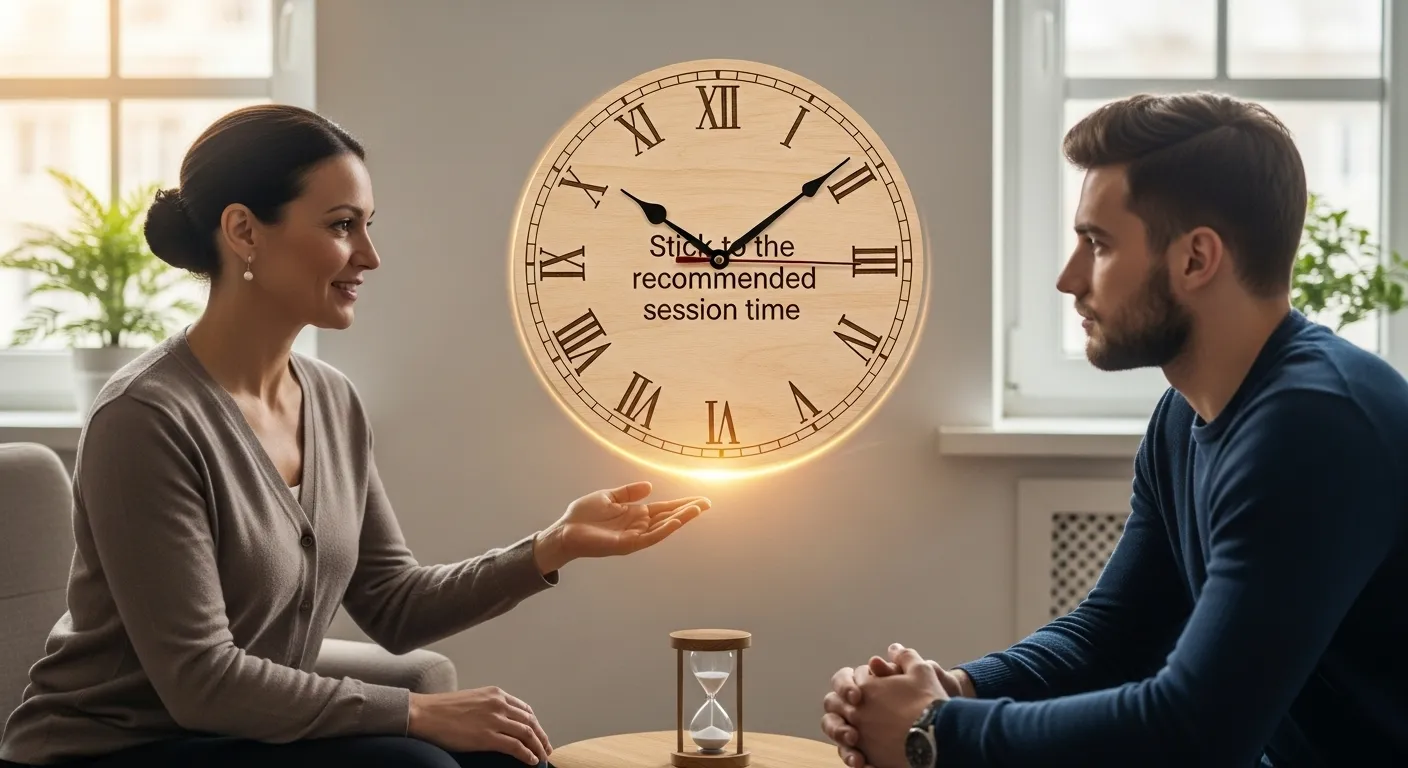
Stick to the recommended session time
The sweet spot for most treatment areas is 10-20 minutes. Start with shorter 5-10 minute sessions and Actually Take to Work your way up as your body adapts. You’ll see the best results with 3-5 sessions each week. Remember to wait at least 6 hours before treating the same area again.
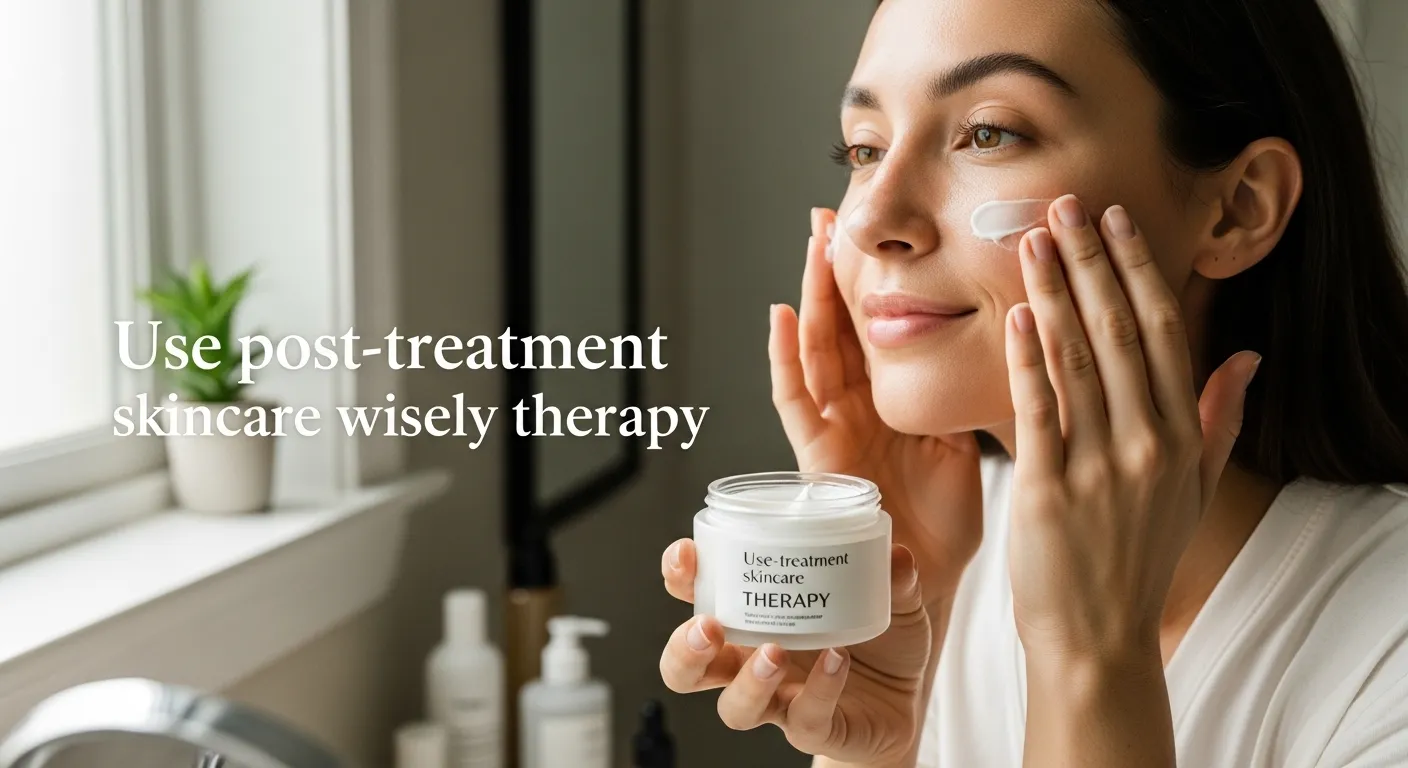
Use post-treatment skincare wisely
Your skin absorbs products better right after a session. Stay away from harsh ingredients and skip treatments like retinol, chemical peels, or microneedling right after therapy. Antioxidant-rich serums with vitamin C can boost your skin’s rejuvenation.
Track your progress weekly
Regular photos in the same lighting and angles help you spot subtle changes. These visual records keep you motivated and show if you need to adjust your routine.
Avoid overuse to prevent irritation
Red light therapy works like a bell curve, too little won’t help, and too much can reduce benefits. Your skin tells you when to slow down. Cut back on sessions if you notice warmth, tightness, or redness until your skin adjusts.
Conclusion
Red light therapy offers real benefits for skin health, but results take time. Cellular repair begins immediately, yet visible improvements appear after weeks of consistent use. Most users notice anti-aging effects in 1–3 months and acne relief in 2–12 weeks. This treatment Actually Take to Work by supporting your body’s natural regeneration, not by quick fixes.
Consistency and proper technique matter more than intensity. Once you reach your goals, maintaining results takes just one or two sessions a week. Red light therapy isn’t an instant cure but a long-term investment in healthier, younger-looking skin.