
Therapeutic Ultrasound: Evidence-Based Results 2025
Therapeutic ultrasound works at frequencies between 1.0 and 3.0 MHz (million cycles per second), which lets sound waves penetrate deep into soft tissues. The technology has evolved from diagnostic tools to powerful treatment options for musculoskeletal conditions of all types, including osteoarthritis, soft tissue shoulder pathology, and myofascial pain.
Ultrasound therapy provides a non-invasive treatment that boosts blood flow to specific areas without affecting nearby tissues. The penetration depth varies with frequency – 3MHz energy reaches about 2.0cm deep, while 1MHz frequencies can go to 4.0cm. The treatment shows remarkable results for muscle, joint, and ligament swelling. Medical professionals have used this technology since the 1950s to treat tendinitis and bursitis. Read about the Hidden Benefits of LLLT Therapy here.
This piece will explore the evidence-based results of therapeutic ultrasound and get into its biophysical mechanisms. We’ll look at tissue interactions and find how ultrasound therapy helps the healing process through different phases.
Biophysical Mechanisms Behind Therapeutic Ultrasound
The piezoelectric effect serves as the foundation of therapeutic ultrasound. Crystalline materials convert electrical energy into mechanical vibrations and generate ultrasonic waves. These waves interact with tissues through thermal and mechanical mechanisms.
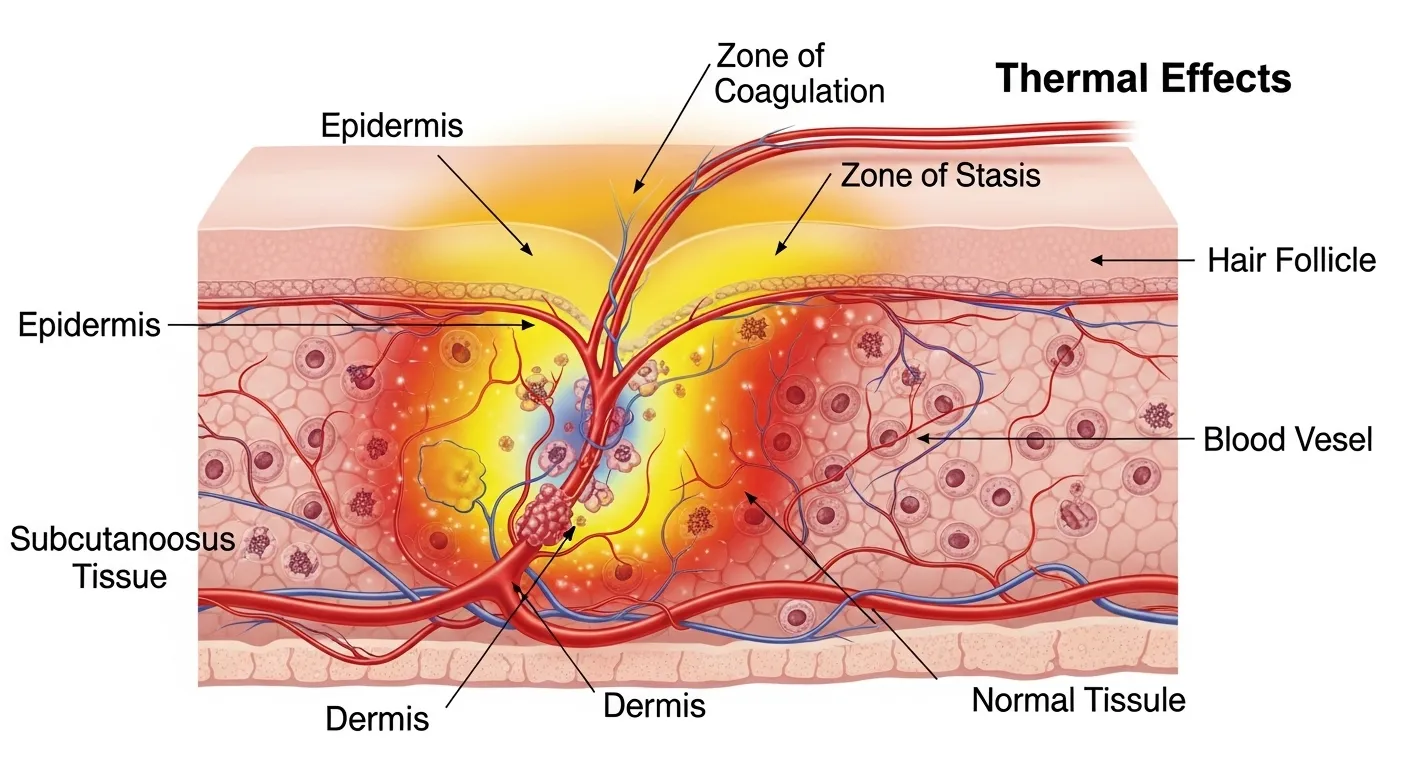
Thermal Effects on Tissue
Tissues absorb ultrasound energy and convert mechanical energy into heat. A 1°C temperature increase speeds up metabolic rate. A 2–3°C rise helps reduce muscle spasm, pain, and chronic inflammation. A substantial 4°C increase changes collagen’s viscoelastic properties. Ultrasound at 1.5 W/cm² and 3MHz creates vigorous heating at 2.5cm depth in about 3.35 minutes.
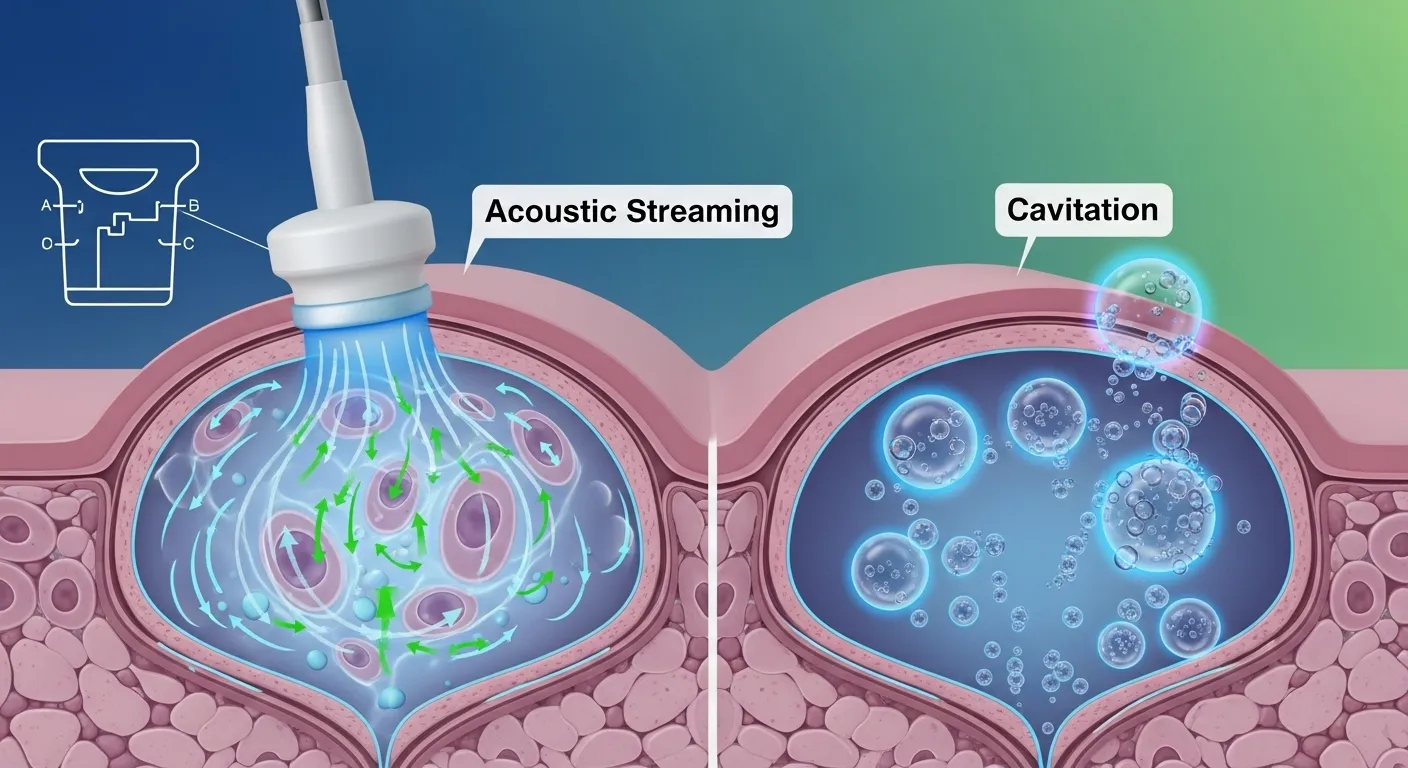
Mechanical Effects: Acoustic Streaming and Cavitation
The mechanical effects work through acoustic streaming and cavitation. Acoustic streaming creates unidirectional fluid movement around cell membranes. Sound waves generate compression and rarefaction that cause cavitation. This process makes microscopic gas bubbles in tissue fluid expand and contract. Stable cavitation causes gentle bubble oscillation, while unstable cavitation creates potential “microexplosions” that can damage tissue.
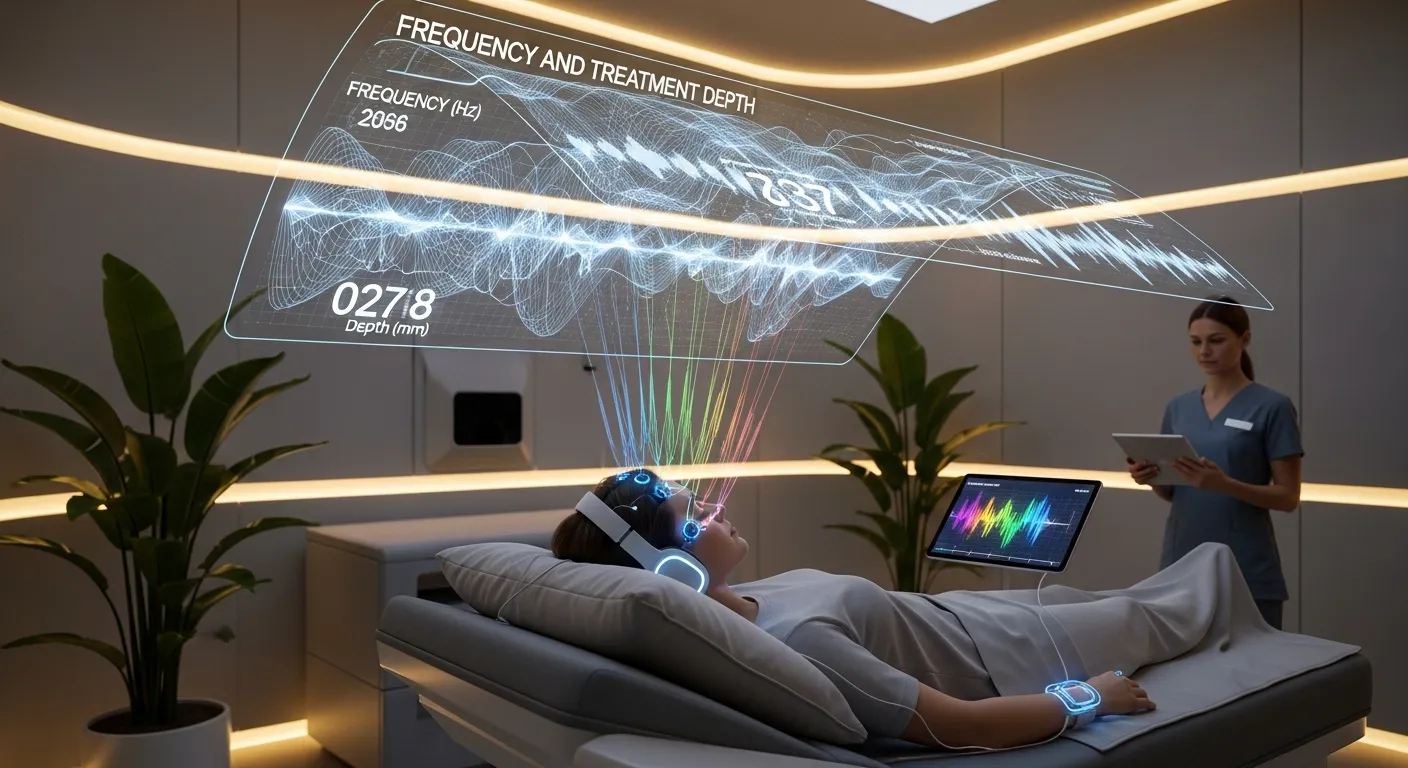
Frequency and Treatment Depth
Frequency choice substantially affects treatment depth. The half-value depth for 1MHz ultrasound reaches approximately 2.3cm, which works well for deeper tissues. The 3MHz frequency targets superficial areas between 0.8–1.6cm depth.
Tissue Interaction and Energy Absorption
Acoustic impedance matching between the transducer and tissues plays a significant role in ultrasound transmission. A tissue’s acoustic impedance (Z) depends on its density and elasticity. Greater impedance differences lead to increased reflection at tissue boundaries. Air gaps between the transducer and skin can reflect up to 99.998% of the ultrasound energy and eliminate therapeutic effects.

Role of Coupling Media
Practitioners use coupling media to minimize these impedance mismatches. Commercial ultrasound gel conducts energy better than water, which attenuates up to 65% of sound energy. Alternative options include gel pads, hydrogels with 70–90% water content, and silicon-based materials.
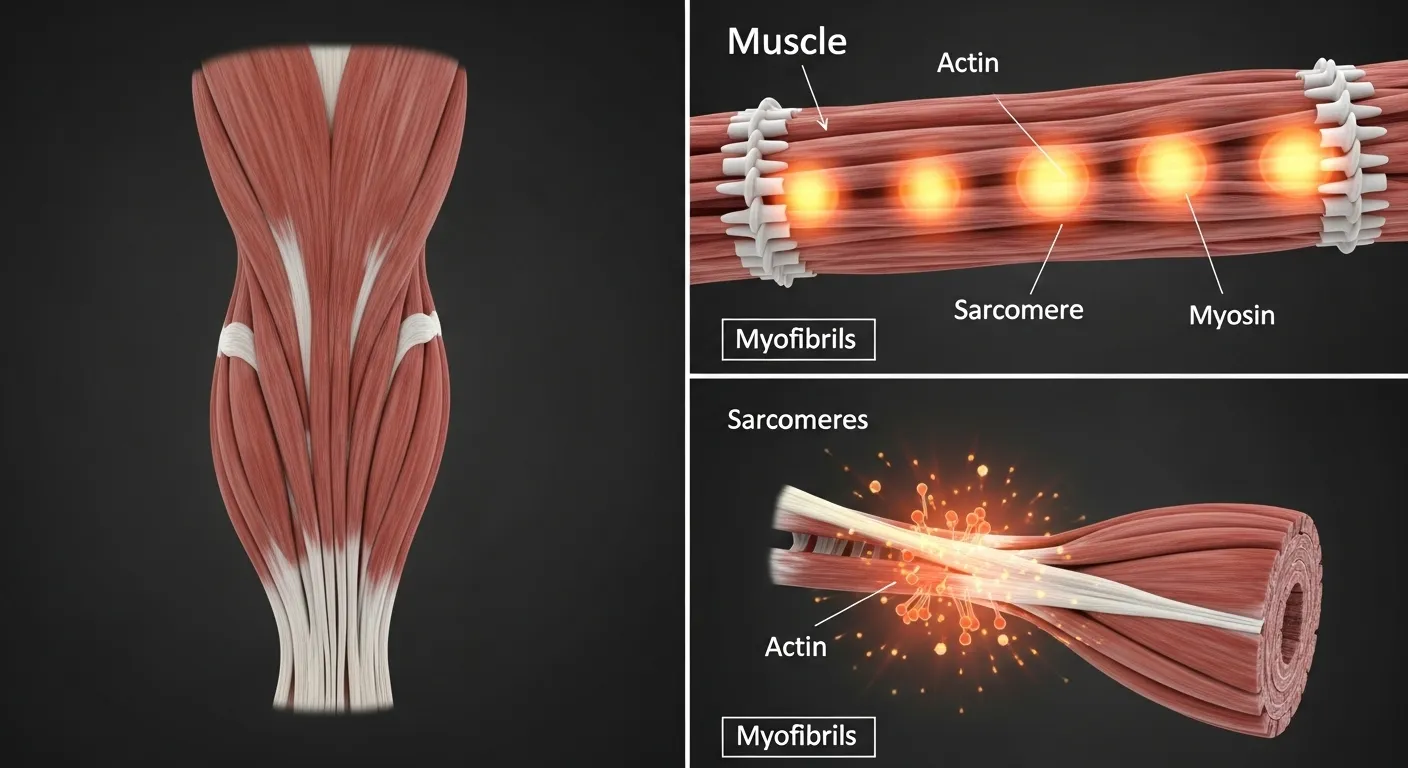
Tissue Composition and Energy Absorption
A tissue’s composition determines its ultrasound energy absorption. Materials rich in protein density like muscle, tendon, and bone absorb more energy than fat-rich tissues with higher water content. Bone shows the highest acoustic impedance (7.8 × 10⁶ rayls), while air has the lowest (0.0004 × 10⁶ rayls).
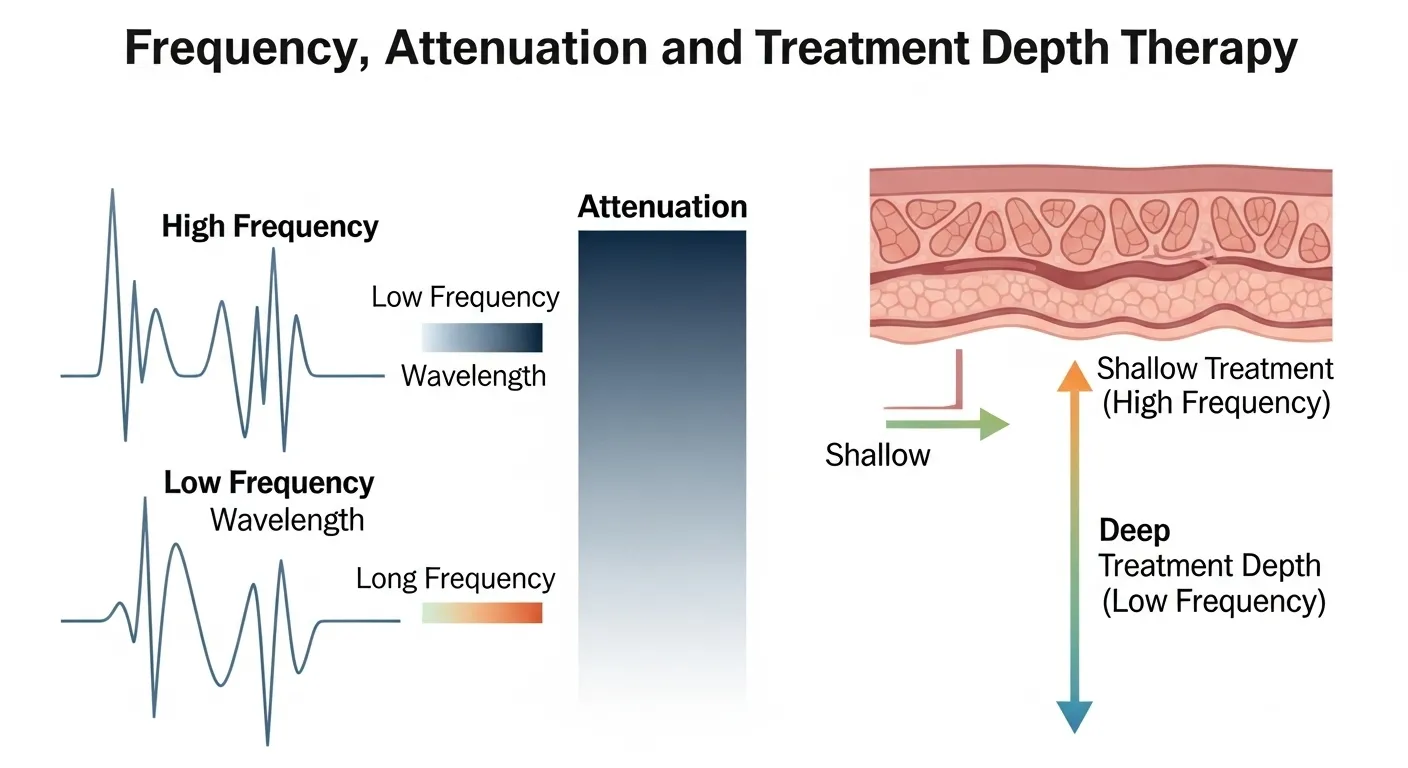
Frequency, Attenuation, and Treatment Depth
The pattern of energy absorption follows an exponential curve that shows more absorption in superficial tissues. Frequency affects this attenuation, higher frequencies (3MHz) attenuate faster. Each tissue type and frequency has a unique half-value depth where intensity drops by 50%. Muscle tissue at 1MHz has a half-value depth of 9mm, which reduces to 3mm at 3MHz.
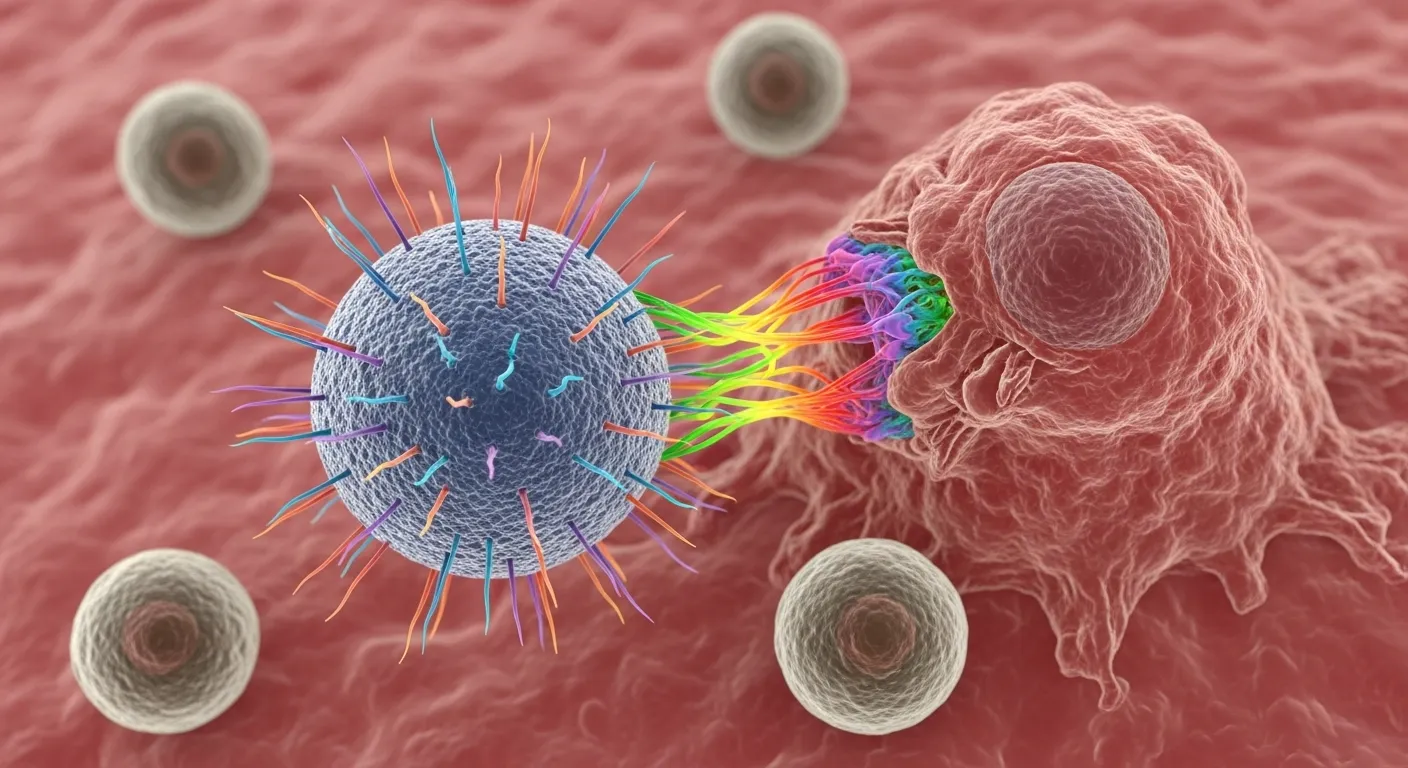
Targeted Therapeutic Application
Therapeutic ultrasound remains effective because practitioners can target specific tissue depths by selecting appropriate frequencies and coupling methods.
Phases of Tissue Healing with Ultrasound Therapy
Therapeutic ultrasound uniquely affects each phase of tissue healing. The inflammatory phase shows how ultrasound boosts mast cell degranulation. This releases histamine and other mediators that draw fibroblasts and endothelial cells to injured areas. The process speeds up the acute inflammatory response and moves faster into the proliferative phase. Research proves that ultrasound treatments reduce inflammatory cells around healing sites.
Proliferative Phase
Ultrasound helps the proliferative phase by encouraging fibroblasts to multiply and migrate. These cells then secrete collagen to improve connective tissue strength. Studies show that low-intensity pulsed ultrasound (LIPUS) doubles the growth of satellite cells in injured muscle compared to untreated samples. Scientists found a 100% increase in thymidine incorporation rate and a 28% rise in DNA content after just three daily treatments.
Remodeling Phase
The remodeling phase transforms type III collagen into stronger type I collagen. LIPUS-treated ligaments become much stronger, 34.2% stronger and 27.0% stiffer in two weeks. After six weeks, these ligaments grow 39.5% stronger and 24.5% stiffer with 69.1% more capacity to absorb energy. The right timing of ultrasound creates denser, more regular collagen fibers that line up better. Timing matters greatly, early treatment helps healing, but late application might disrupt collagen remodeling.
Conclusion
Therapeutic ultrasound remains a proven, non-invasive treatment for musculoskeletal conditions. Ultrasound waves penetrate tissues differently, 1MHz for deeper structures and 3MHz for superficial ones. Also read about Sad Light Therapy here.
Thermal and mechanical effects enhance blood flow, reduce spasms, and boost cellular activity. Proper acoustic impedance and coupling are vital for effective energy transfer.
Used correctly, ultrasound supports all healing phases, promoting faster recovery, stronger tissues, and better collagen alignment. With growing evidence, therapeutic ultrasound continues to stand out as a key tool in modern physical therapy.