
SAD Light Therapy: What Doctors Don’t Tell You
Light therapy helps improve depression symptoms in 40% to 60% of people, matching the success rates of antidepressant medications and cognitive behavioral therapy. Many people don’t know about this powerful treatment option, though research proves it works as a primary therapeutic approach.
Patients who respond well to light therapy often see improvements in their seasonal affective disorder symptoms within a week. Research shows remarkable results – 61% of SAD patients achieved complete symptom remission after four weeks of bright light therapy. SAD lamps need 10,000 lux brightness to work effectively. However, buying any light box isn’t enough for successful treatment.
This piece will help you understand what doctors might not tell you about SAD light therapy. You’ll learn how it adjusts your circadian rhythm and the best ways to use SAD lamps for optimal results. The information here could transform your seasonal depression management, whether you’re new to this treatment or looking to enhance your current routine.
What is SAD Light Therapy and Why It Works
Scientists first discovered light therapy in 1984 to treat Seasonal Affective Disorder (SAD). The treatment exposes patients to bright artificial light that mimics natural sunlight and makes up for reduced daylight during winter months.
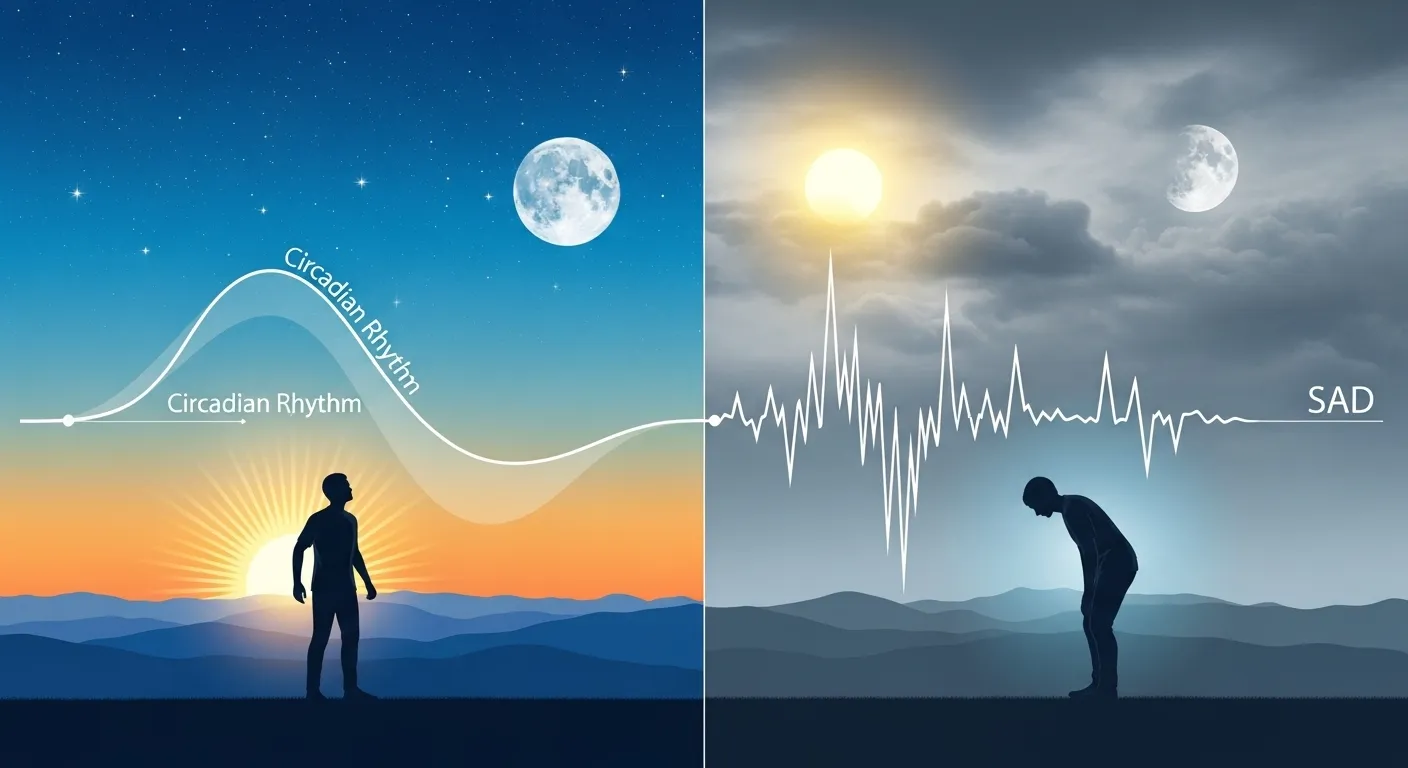
How Circadian Rhythm Affects SAD
Our body’s internal clock – the circadian rhythm – controls sleep-wake cycles and hormone production. The body tends to overproduce melatonin and struggles with serotonin regulation during winter months due to less natural light. These changes lead to SAD symptoms such as depression and hypersomnia.
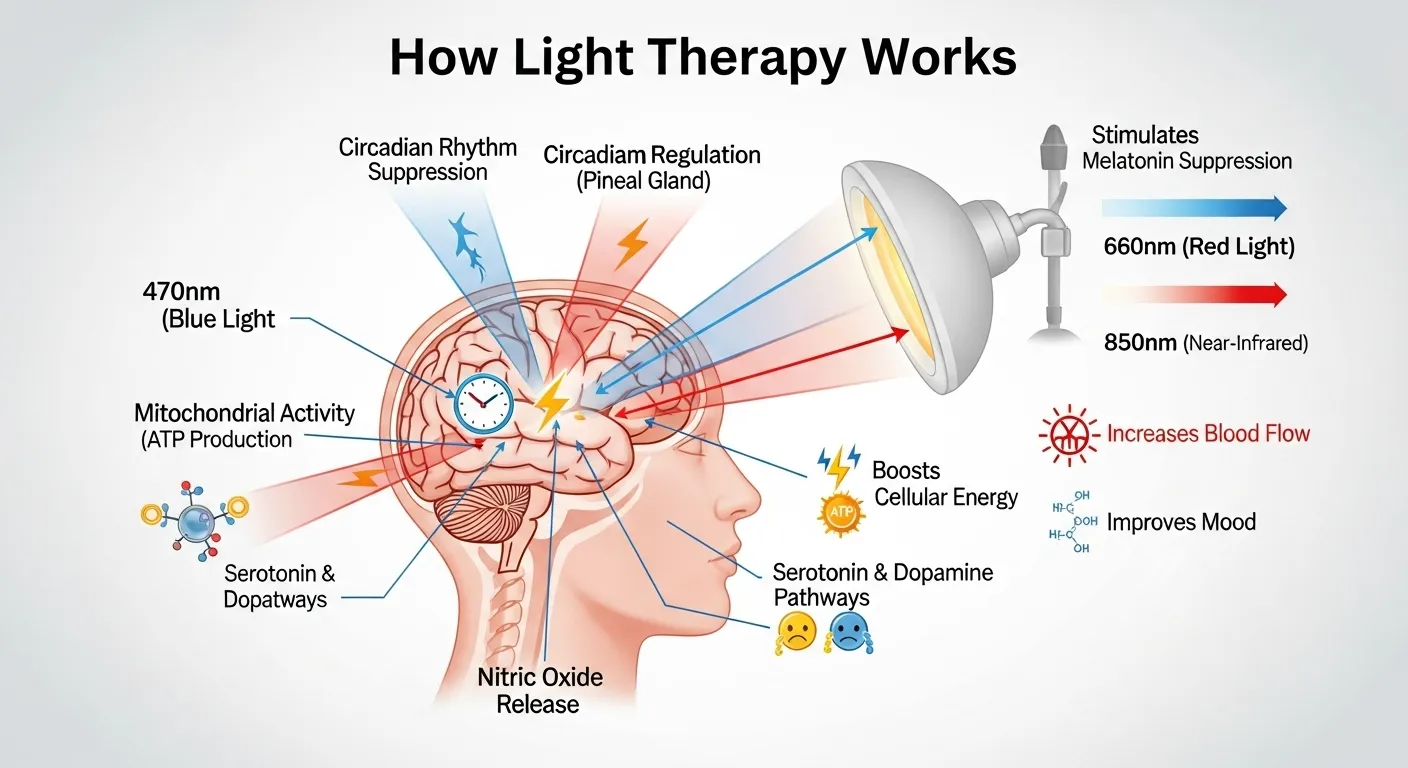
How Light Therapy Works
Light therapy works through our eyes rather than our skin. The retina processes therapeutic light and sends signals to the brain’s master clock (superchiasmatic nucleus) and the prefrontal cortex that controls mood and cognition.
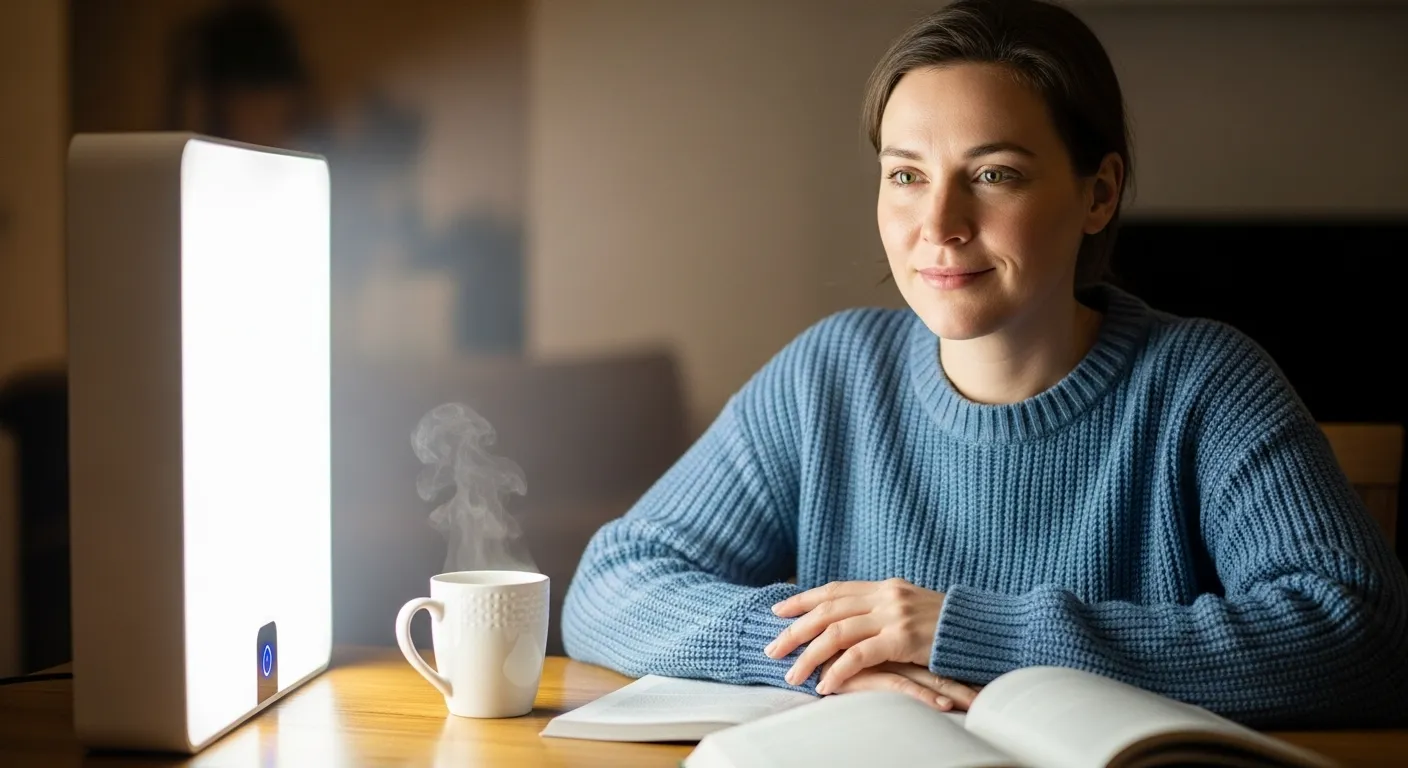
Using a Light Box
Patients need to sit near a light box that delivers 10,000 lux for about 30 minutes each morning. Morning exposure is vital because it helps fix the phase delays commonly seen in SAD patients. Depression scores can drop substantially after just one hour-long session. Regular users become 36% less likely to experience depressive episodes.
Effectiveness Compared to Antidepressants
Research indicates that light therapy matches the effectiveness of antidepressants while offering fewer side effects and quicker results.
What Doctors Don’t Always Mention About SAD Lamps
Doctors often prescribe SAD lamps but skip some key things you should know about this therapy. The quality of light therapy devices varies significantly. Medical-grade SAD lamps must filter out harmful UV rays to keep your skin and eyes safe. You can also read about LLT Therapy here.
Timing Matters
The timing of your sessions makes a huge difference. Most people with seasonal depression get the best results from morning treatments, preferably before 8 AM. Some patients do better with afternoon sessions – a fact that rarely comes up during doctor visits.
Medication Interactions
Your medications can affect how well light therapy works. Some antibiotics, anti-inflammatories, and herbal supplements might make you more sensitive to light. This can lead to unwanted reactions during treatment.
Proper Distance from the Lamp
The distance between you and your light box plays a crucial role. The light’s intensity drops if you sit too far away. Most 10,000-lux devices work best when you’re 16-24 inches away from them.
Long-Term Treatment Needs
Doctors rarely talk about long-term treatment needs. Even after you feel better, you’ll need ongoing sessions through winter to stop symptoms from coming back. This is different from the short treatment period many suggest.
These often-missed details can be the difference between managing your symptoms successfully and getting disappointing results from SAD light therapy.
How to Use SAD Lamps the Right Way
The correct setup of your SAD light therapy significantly impacts how well it works. You should use a medical-grade light box that emits 10,000 lux with proper UV filtration. Many cheaper alternatives lack sufficient brightness and safety features. Read about Therapeutic Ultrasound here.
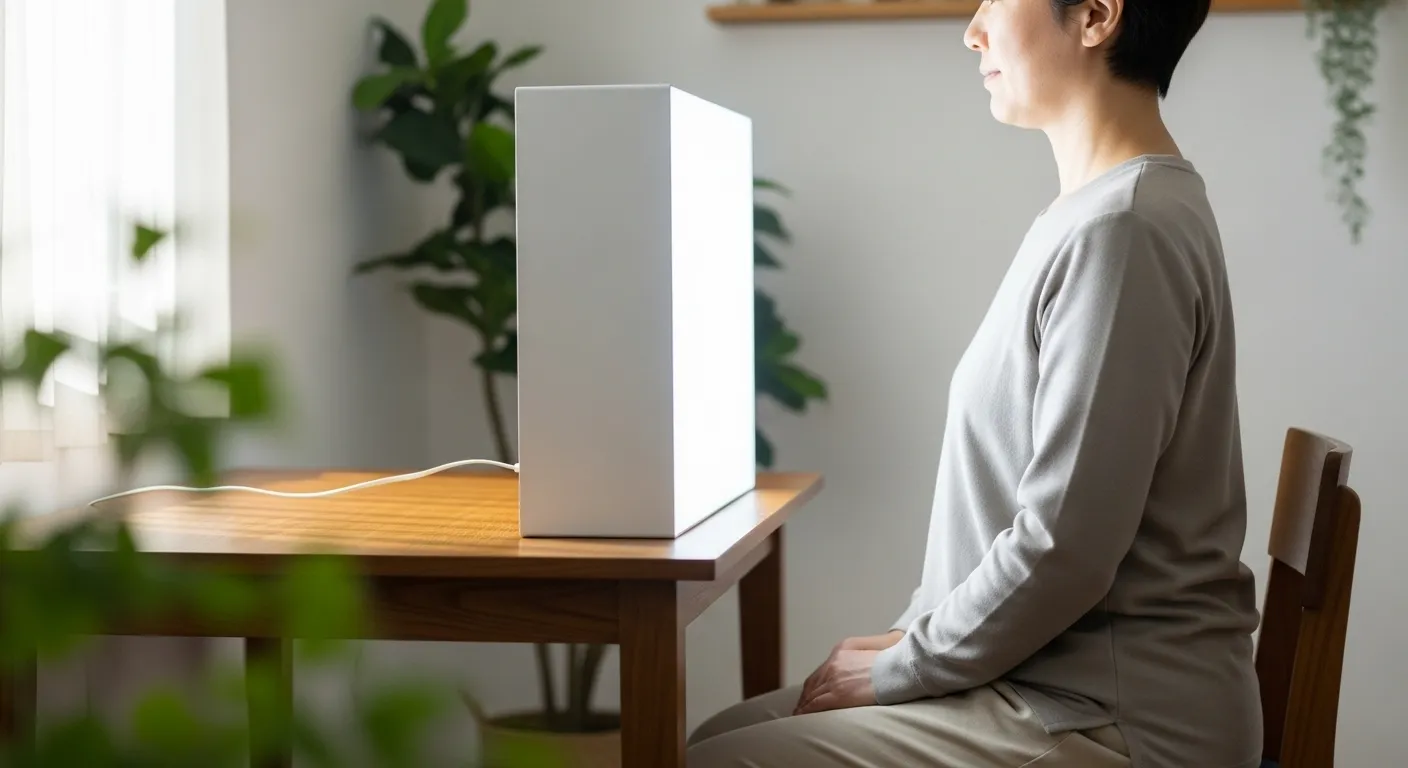
Positioning Your Light Box
The light box should be positioned 16-24 inches from your face at eye level or slightly higher. A 45-degree angle works best, not directly facing your eyes. Your eyes should remain open during the session, but avoid staring directly at the light.
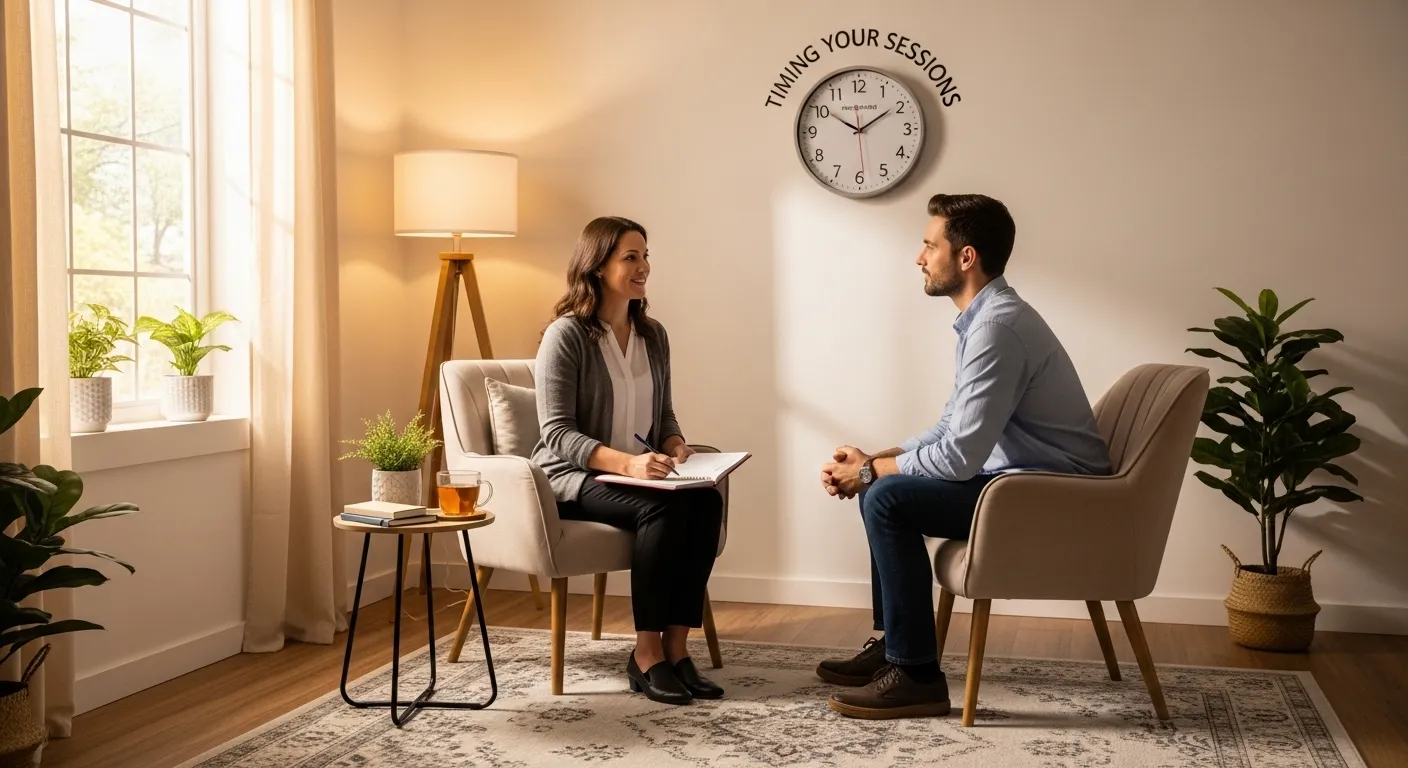
Timing Your Sessions
The therapy’s timing plays a significant role. Using your SAD lamp early morning, within an hour of waking up, produces the best results. Research shows this early timing helps 80% of people with winter depression recover quickly. Daily sessions lasting 30 minutes usually provide sufficient treatment.

Maintain a Consistent Routine
Your sleep schedule should stay consistent throughout the treatment period. The therapy sessions can include other morning activities like reading, eating breakfast, or using your computer.
Expected Results
Daily use brings improvements within 1-2 weeks. The treatment should continue through winter until natural springtime recovery occurs.
Patients with bipolar disorder or severe depression need to consult a psychiatrist before starting light therapy because it can trigger manic episodes.
Conclusion
Light therapy is a powerful, often overlooked treatment for Seasonal Affective Disorder. SAD lamps can work as effectively as antidepressants, with improvements sometimes seen in just one week. Success depends on the right lamp, proper positioning, consistent morning use, and correct session duration. These factors target specific pathways in your eyes, not just “brightening your day,” making details like 10,000 lux important. Check about hidden benefits of PEMF Therapy here.
Patients who follow proper protocols see significant mood improvements through winter. Understanding medication interactions and lamp maintenance ensures the best results. Research supports light therapy as a primary or complementary treatment, offering a safe, effective way to improve winter wellbeing.