Red Light vs Sunlight: Which Boosts Vitamin D Better?
Red Light vs Sunlight vitamin D supplementation has become a popular choice for people who spend over 90% of their time indoors without getting healthy forms of light. The therapy uses specific wavelengths in the red to near-infrared spectrum (630 to 850 nanometers), but it’s different from natural sunlight. Natural sunlight contains a broader spectrum that includes visible light, ultraviolet radiation, and infrared radiation. The main difference between red light therapy and sunlight matters a lot, especially if you think about vitamin D production. Your body needs natural sunlight’s UVB rays to make vitamin D – something red light therapy can’t do. Research shows that your body can produce vitamin D in the quickest way with just 10-30 minutes of daily sun exposure. Red light therapy doesn’t help with vitamin D production at all. Both light sources have their own benefits though.
Sunlight helps control your body’s circadian rhythm and improves sleep patterns. It also supports your mental and physical well-being. Red light therapy speeds up wound healing and helps people with joint disorders by reducing inflammation and improving mobility.
This comparison really matters – researchers say low levels of sun exposure can be as harmful to your health as smoking cigarettes. A Swedish study of nearly 30,000 women backs this up. The study found that women who got the least sun exposure had double the death rate compared to those who got the most exposure over 20 years.
How Red Light vs Sunlight Work
Red light therapy and natural sunlight differ in their light compositions and delivery methods. These differences shape how they interact with human cells.
Light Spectrum
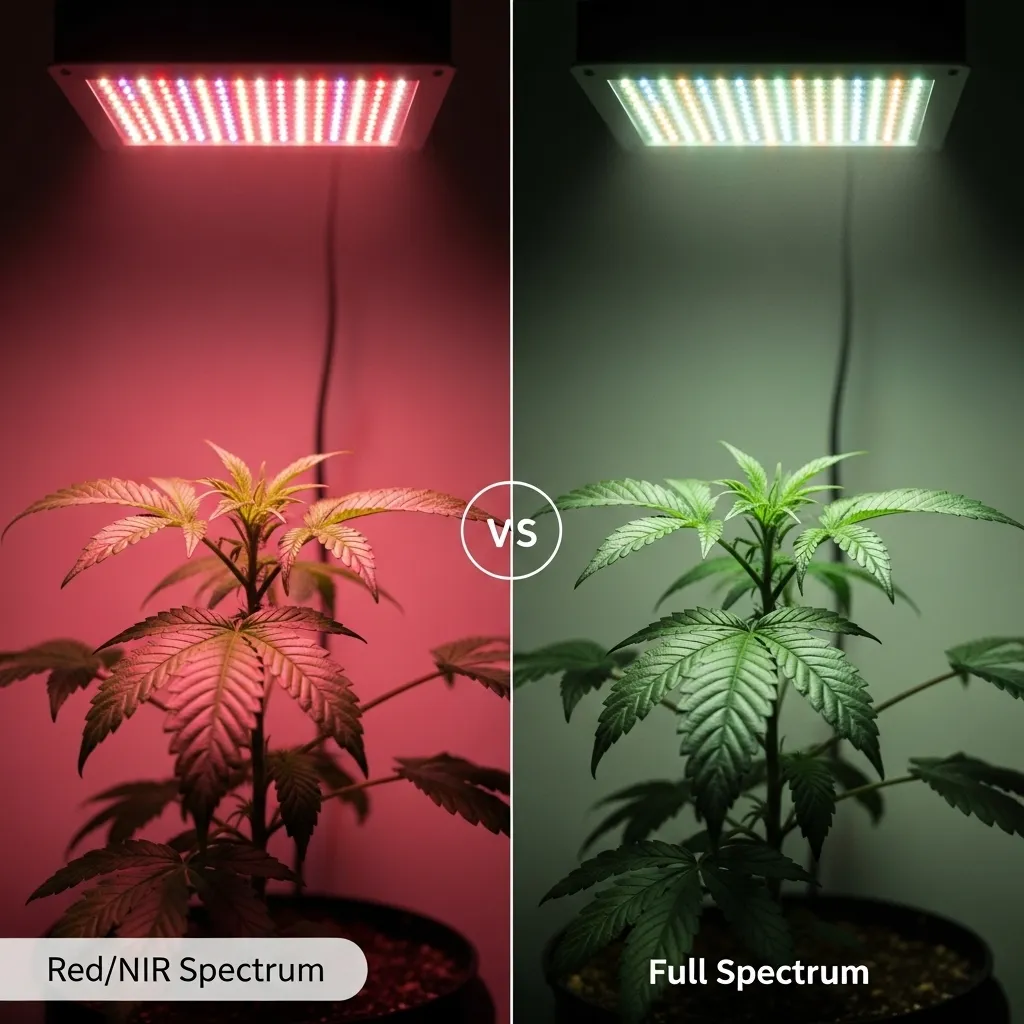
Sunlight delivers a broad electromagnetic spectrum from ultraviolet radiation to infrared light. Ground-level sunlight breaks down into 2% ultraviolet (UV), 47% visible light, and 51% infrared radiation. Red light therapy takes a different approach. It focuses on specific wavelengths in the red (600-700 nm) and near-infrared (NIR, 700-1000 nm) range. These wavelengths penetrate human tissue effectively and produce fewer reactive oxidants compared to other light ranges.
Delivery Method
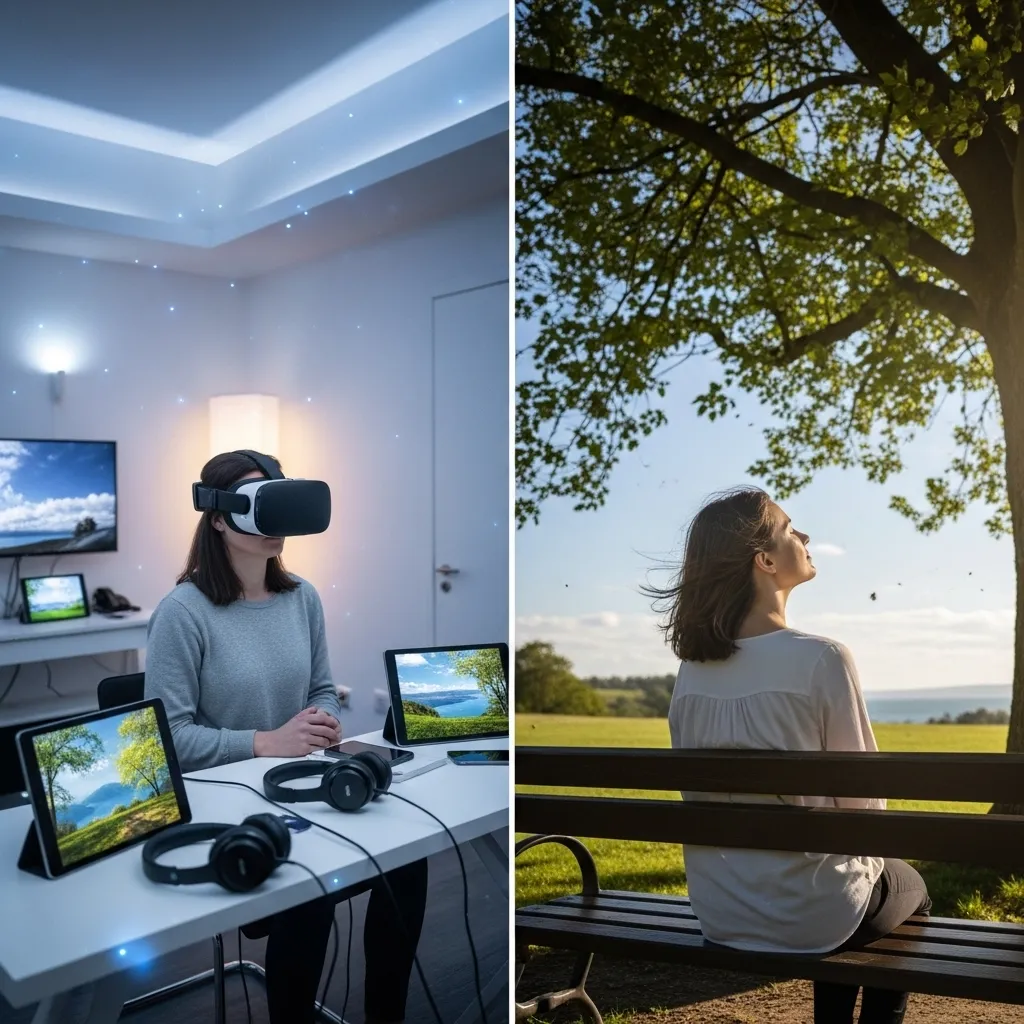
LED panels or devices deliver red light therapy in consistent, controlled doses. Researchers use high-power LEDs with specific wavelengths (such as 850 nm) at measured energy outputs (9.18 mW/cm² at 50 cm distance) in clinical studies. Natural sunlight varies based on time of day, location, season, and atmospheric conditions. Clothing lets longer wavelengths pass through but might block other beneficial components of sunlight.
Cellular Impact
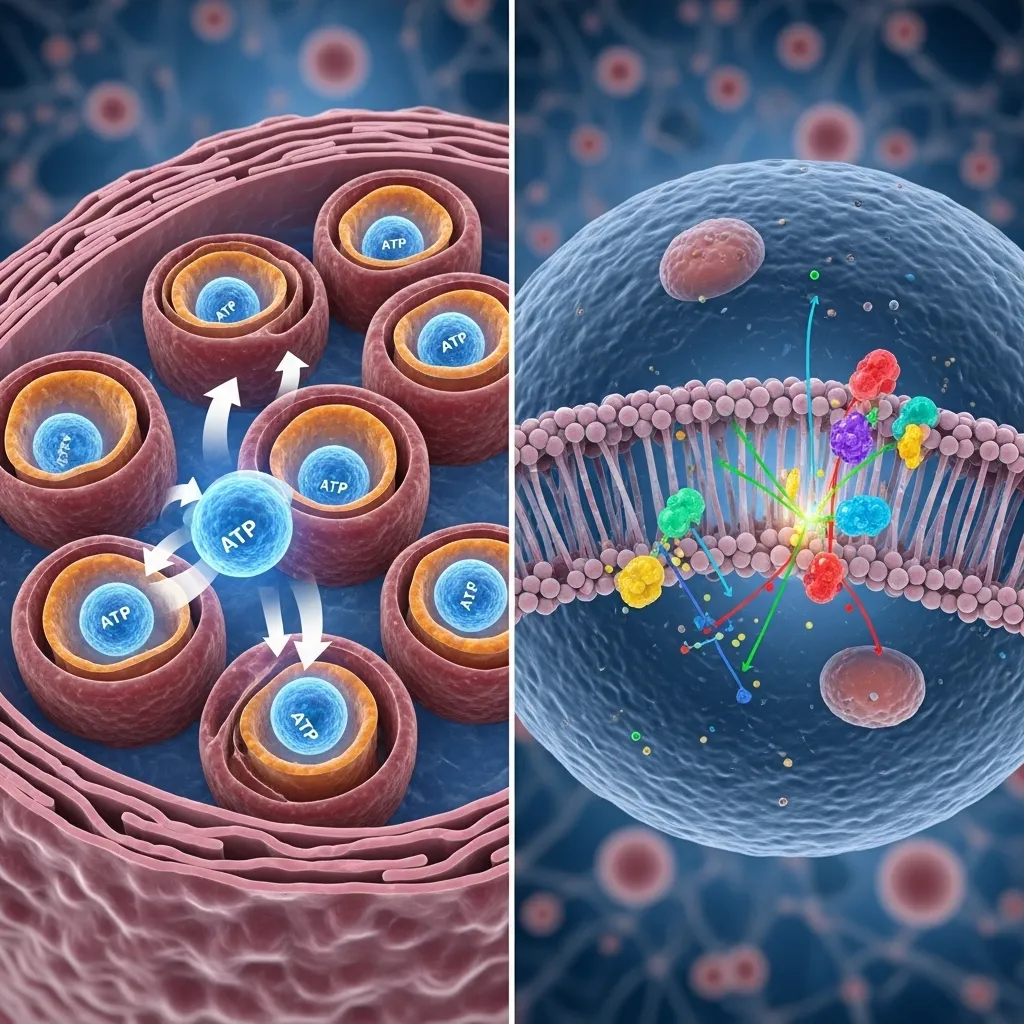
These light sources affect cells differently. Red and near-infrared light target mitochondrial function by interacting with cytochrome C oxidase, a key enzyme in the electron transport chain. This interaction boosts mitochondrial membrane potential and ATP production. The boost helps especially when cellular energy drops due to age or disease. Even exposure to small body regions can create system-wide effects. Sunlight works through several cellular mechanisms.
Vitamin D Production: Sunlight vs Red Light
The human body’s vitamin D production depends on ultraviolet light exposure, showing clear differences between natural sunlight and therapeutic light sources.
UVB and Vitamin D Synthesis
Vitamin D synthesis happens only through exposure to ultraviolet B (UVB) radiation with wavelengths between 280-315 nanometers. UVB radiation triggers a photochemical reaction in the skin that converts 7-dehydrocholesterol to previtamin D3, which then undergoes thermal isomerization to form vitamin D3. The skin’s 7-dehydrocholesterol absorbs UVB rays and undergoes a structural change that opens its B ring to form previtamin D3, which then converts to vitamin D3. Vitamin D3 enters the bloodstream bound to vitamin D binding protein and travels to the liver for further processing. Several factors affect natural vitamin D production. The wintertime sun exposure at latitudes above 44°N lacks sufficient UVB radiation for vitamin D synthesis. On top of that, it peaks between 10am and 3pm when the sun sits directly overhead, offering the best window for vitamin D production.
Does Red Light Therapy Help with Vitamin D?
Red light therapy devices emit wavelengths between 630-940 nm, which fall outside the UVB spectrum needed for vitamin D synthesis. The red light device cannot directly stimulate vitamin D production in the body, whatever its power level.
Notwithstanding that, recent research points to an indirect relationship between red light exposure and vitamin D levels. Red light therapy might prepare and protect skin in ways that optimize UVB light effects, even though it doesn’t create vitamin D itself. Studies show that exposure to red and NIR wavelengths before UV exposure might protect skin from UV damage, which could allow safer, longer sun exposure for natural vitamin D synthesis.
Health Benefits Beyond Vitamin D
Red light therapy and natural sunlight provide amazing health benefits that go way beyond the reach and influence of just vitamin D production.
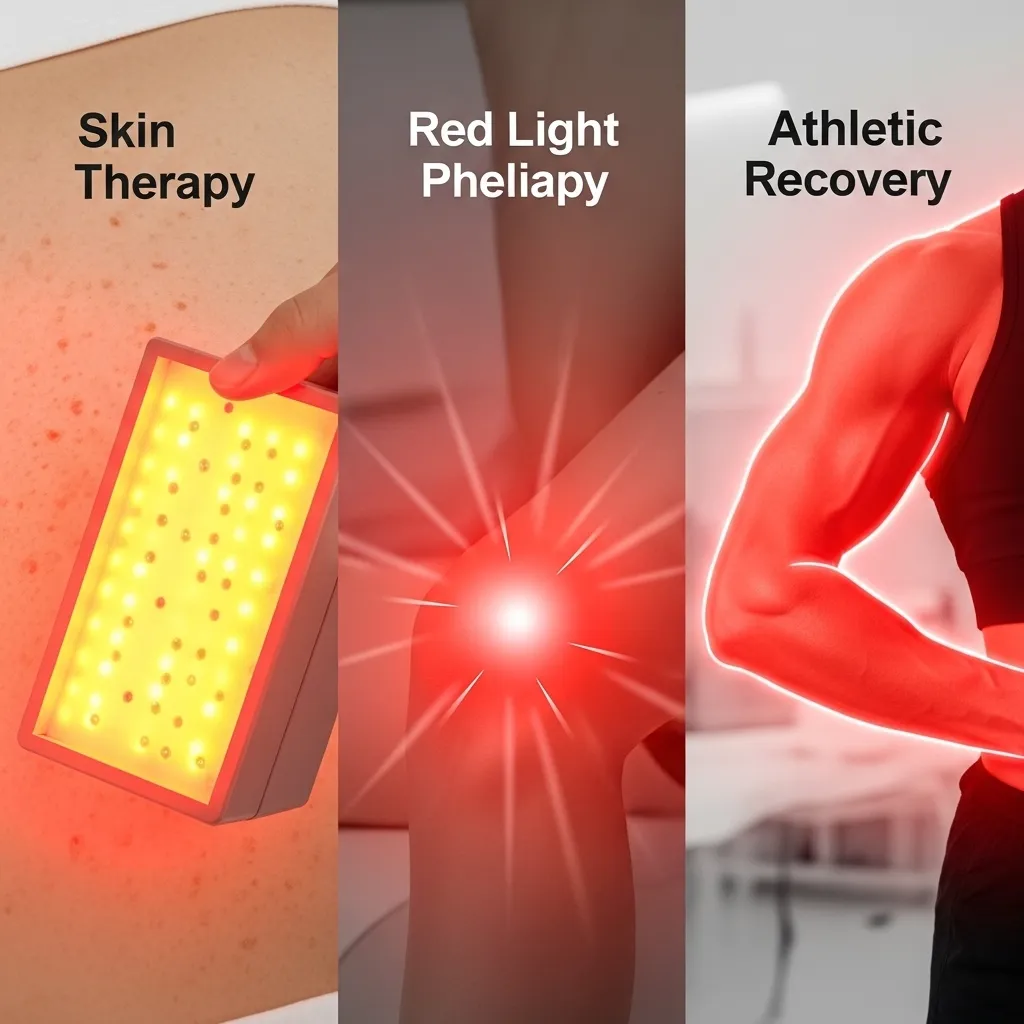
Red Light Therapy: Skin, Pain, and Recovery
Red light therapy triggers biological responses in your cells. It helps healing and reduces inflammation without damaging cells. Clinical studies show it works well for skin issues like wrinkles, discoloration, acne, and loose skin. Research points to major improvements in acne spots and reduced skin oil production after several treatments. The therapy helps manage pain effectively. Studies confirm that photobiomodulation reduces both chronic and acute pain from fibromyalgia, knee osteoarthritis, and non-specific low back pain. More athletes and trainers now use this therapy to speed up recovery, improve muscle performance, and boost endurance.
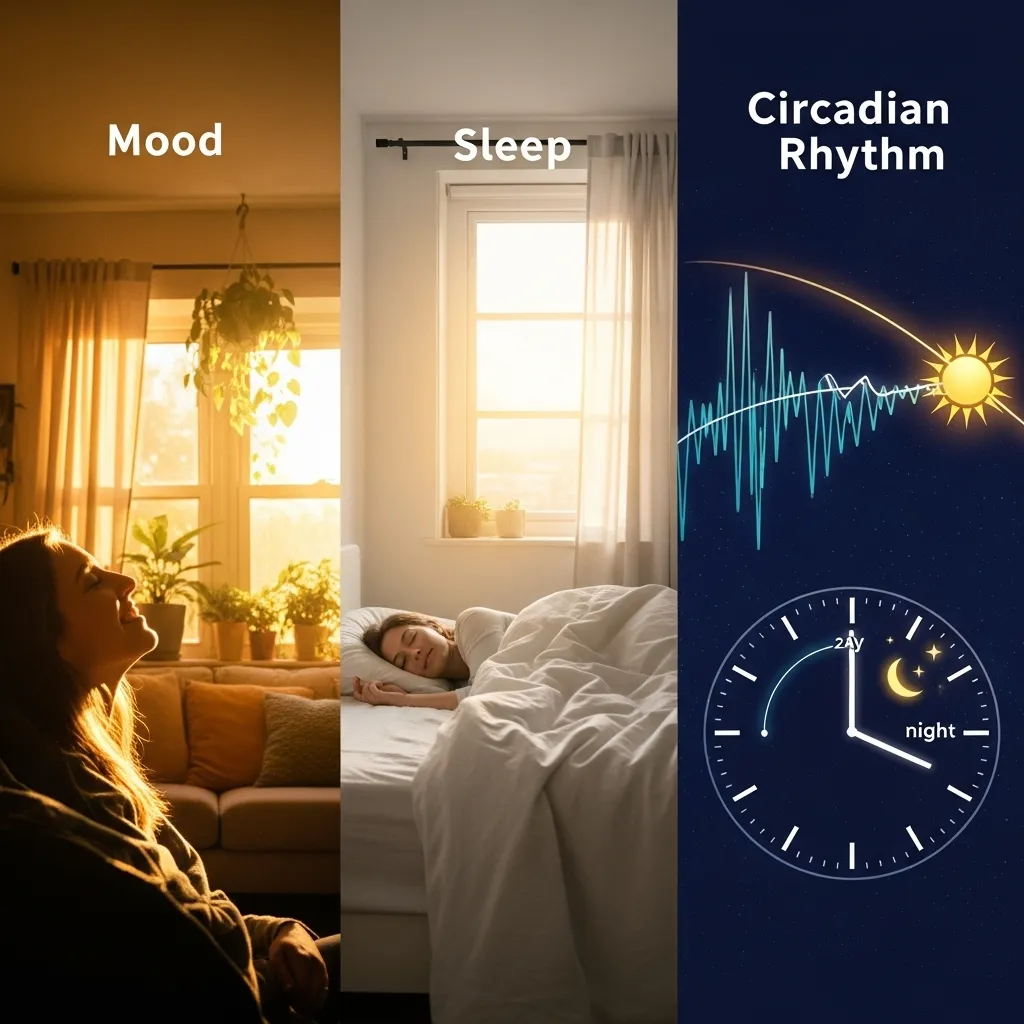
Sunlight: Mood, Sleep, and Circadian Rhythm
Natural sunlight is a vital part of mood regulation and overall well-being. People who spend more time outdoors show fewer signs of depression, take fewer antidepressant medications, and have lower chances of recurring major depressive disorder. A cross-sectional study reveals that more time in outdoor light relates to better sleep quality. People also find it easier to get up in the morning. Exposure to sunlight helps build a reliable circadian rhythm that supports both physical and mental health. Therefore, bright light therapy has become a 20-year old first-line treatment for Seasonal Affective Disorder, with symptoms improving within days.
Red Light Therapy for Sleep Optimization
Red light therapy might affect sleep quality, though results differ among studies. Labs often use red light at night because melanopsin cells react least to it. This could mean less disruption to sleep-wake cycles. In spite of that, studies show that red light exposure before bedtime can make people feel more alert and anxious, which might affect how quickly they fall asleep.
Risks, Limitations, and Practical Use
The safety profiles of light-based therapies help you make better choices about your health routines.
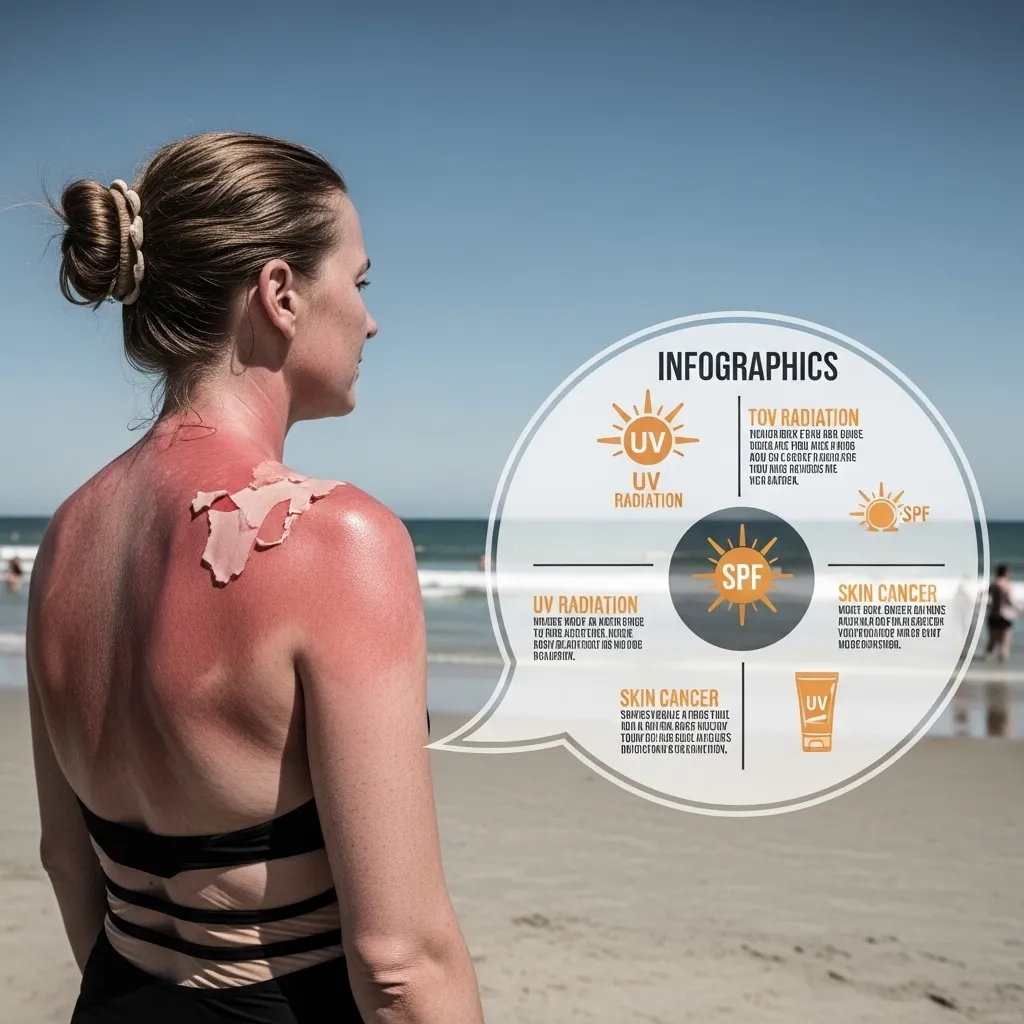
Sunburn and UV Risks
Sun exposure has benefits but comes with risks too. Too much time in the sun without protection can cause sunburn, make your skin age faster, and raise your skin cancer risk. UV rays are sneaky – they can get through clouds 90% of the time and damage your skin. Your risk goes up between 10am and 3pm when the sun’s rays are strongest. People with lighter skin burn more easily, but UV damage affects everyone regardless of skin tone.

Red Light Therapy Limitations
Red light therapy has its limits too. You won’t get vitamin D from it, no matter what marketing claims say about it replacing sunlight. The therapy can cause blisters and skin redness at high intensities. You should skip this treatment if you have photosensitive conditions or take medications that make you more sensitive to light. People with darker skin might react more strongly to red light.
When to Use Each Light Source
The timing of light exposure matters a lot. Red light therapy works best with short 10-minute sessions 3-5 times each week. Sunlight exposure should happen outside peak UV hours to balance vitamin D production safely. The UV index helps guide you – sun protection becomes essential when the index hits 3 or higher.

Combining Both for Balanced Wellness
A combined approach ended up offering the best benefits. You can get great results by mixing regular red light sessions with careful sun exposure. This combination helps keep your body clock on track while supporting cell renewal. Try getting some morning sun and doing your red light therapy later in the day.
Conclusion
Red light therapy and sunlight offer different health benefits. Red light delivers targeted wavelengths that support skin health, reduce inflammation, and ease pain, but it cannot replace sunlight’s role in producing vitamin D through UVB exposure. Sunlight remains the best vitamin D source.
Just 10–30 minutes a day can meet your needs, while also regulating sleep cycles, improving sleep quality, and boosting mood, effects red light therapy cannot match. Research even shows low sun exposure raises health risks dramatically. Red light doesn’t support vitamin D production, yet it still provides value. Its wavelengths enhance cell repair and mitochondrial function without UV risks, making it useful for people needing therapeutic benefits without sun exposure. The ideal approach blends both: sunlight for vitamin D and circadian rhythm support, and red light therapy for targeted healing. Understanding how each affects your body helps you use both effectively.