
Red Light vs Blue Light Therapy: Which Actually Works Better?
NASA began studying LED technology in the 1990s to promote wound healing in astronauts. The space agency couldn’t have predicted how red light therapy vs blue light therapy would become go-to solutions for countless skin concerns today. Clinical research demonstrates these powerful light treatments are a great way to get results for different skin conditions. Studies show blue light therapy reduces acne lesions by up to 77% after eight weeks of consistent use. Red light therapy boosts collagen production and diminishes fine lines and wrinkles.
The distinction between red and blue light therapy stems from their wavelengths and targets – red light reaches deeper layers to promote healing and anti-aging benefits. Blue light vs red light proves more effective for surface-level issues like acne and bacteria. Understanding red vs blue light therapy is vital to select the right treatment for stubborn acne, signs of aging, or other skin conditions. This piece breaks down how each therapy works and their specific benefits to help you determine which delivers better results for your skin’s unique needs.
How Red and Blue Light Therapy Work
Light therapy works through the sort of thing I love – the interaction between specific wavelengths and your body’s cells. Your body responds naturally to photons, unlike medications that add chemicals to your system.
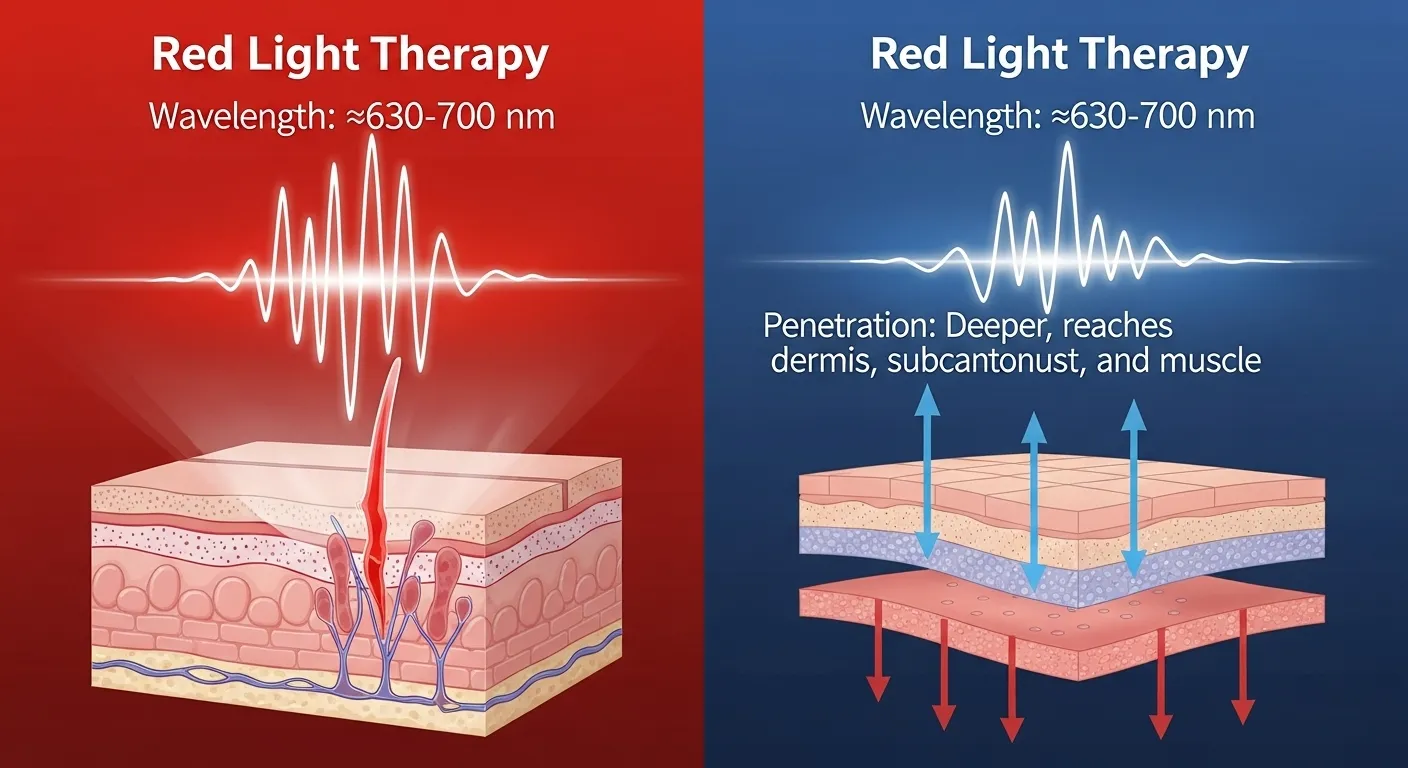
Wavelengths and Skin Penetration
Red and blue light therapy differ mainly in their wavelengths and how deep they can reach. Blue light therapy works at about 415-450 nm wavelength and only reaches the epidermis – your skin’s outer layer. This makes it perfect for treating surface conditions. Red light therapy uses longer wavelengths between 620-750 nm and goes much deeper into the dermis. The deeper reach – about 5-10 mm below the skin surface – explains why it works so well for problems beyond surface level. Near-infrared light goes even deeper, reaching up to 25 mm into subcutaneous tissue.
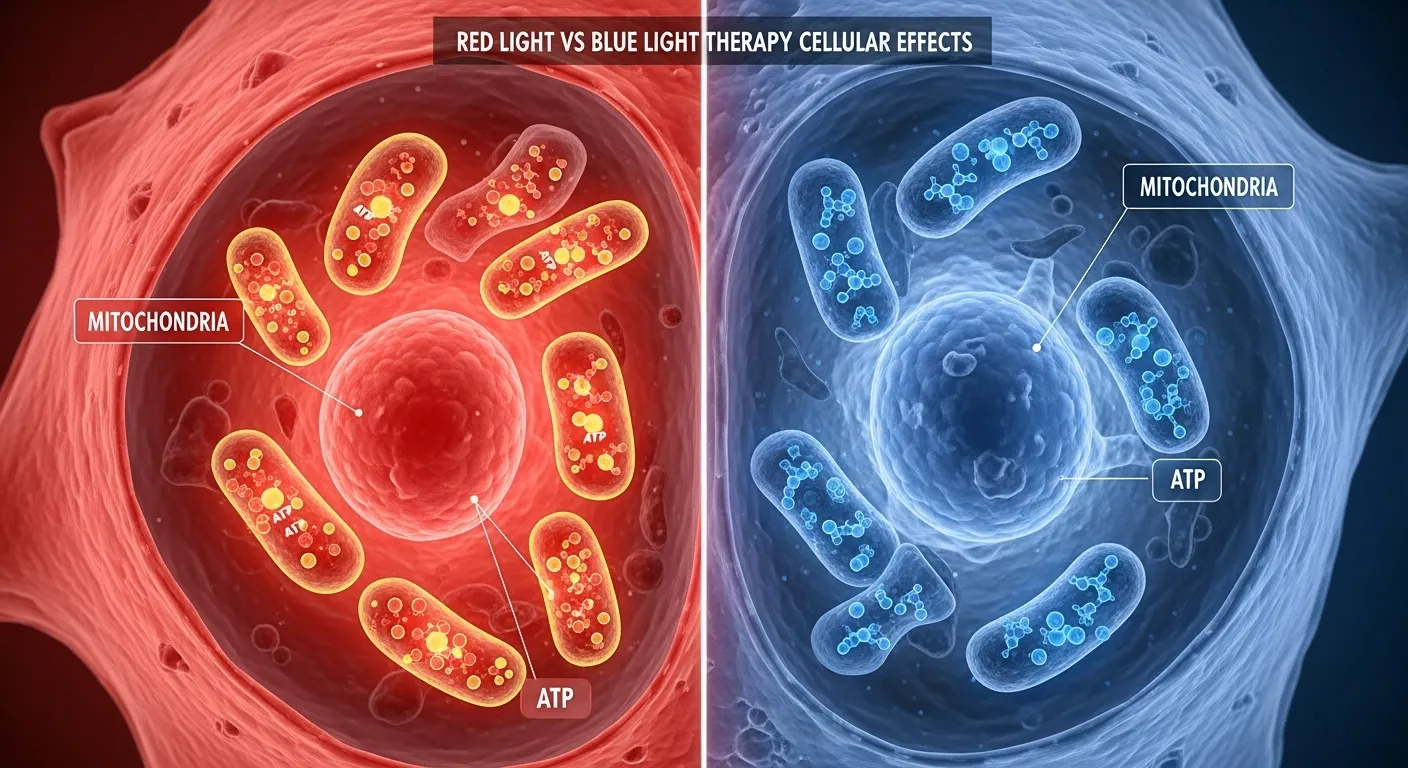
Cellular Effects: ATP and Mitochondria
These different wavelengths spark unique responses in your cells. Red light therapy targets cytochrome c oxidase (CCO), a crucial enzyme in the mitochondrial electron transport chain. Red light photons hitting this enzyme boost electron transport activity. They increase mitochondrial membrane potential and boost ATP (adenosine triphosphate) production – your cells’ energy currency. Red light also helps by removing inhibitory nitric oxide from CCO. This lets oxygen bind better and produces more energy. Your cells use this energy surge for repair, collagen production, and tissue regeneration.
LED vs Infrared vs UV
It’s worth mentioning that these light technologies work differently:
Your specific needs determine the best treatment choice. Blue light’s shallow reach works best for surface issues like acne. Red or near-infrared wavelengths show better results for deeper tissue concerns.
Red Light Therapy: Benefits and Use Cases
blue light therapy work differently and create distinct physical benefits. light reaches deeper into tissues and offers healing benefits that go way beyond the reach and influence of the skin’s surface.
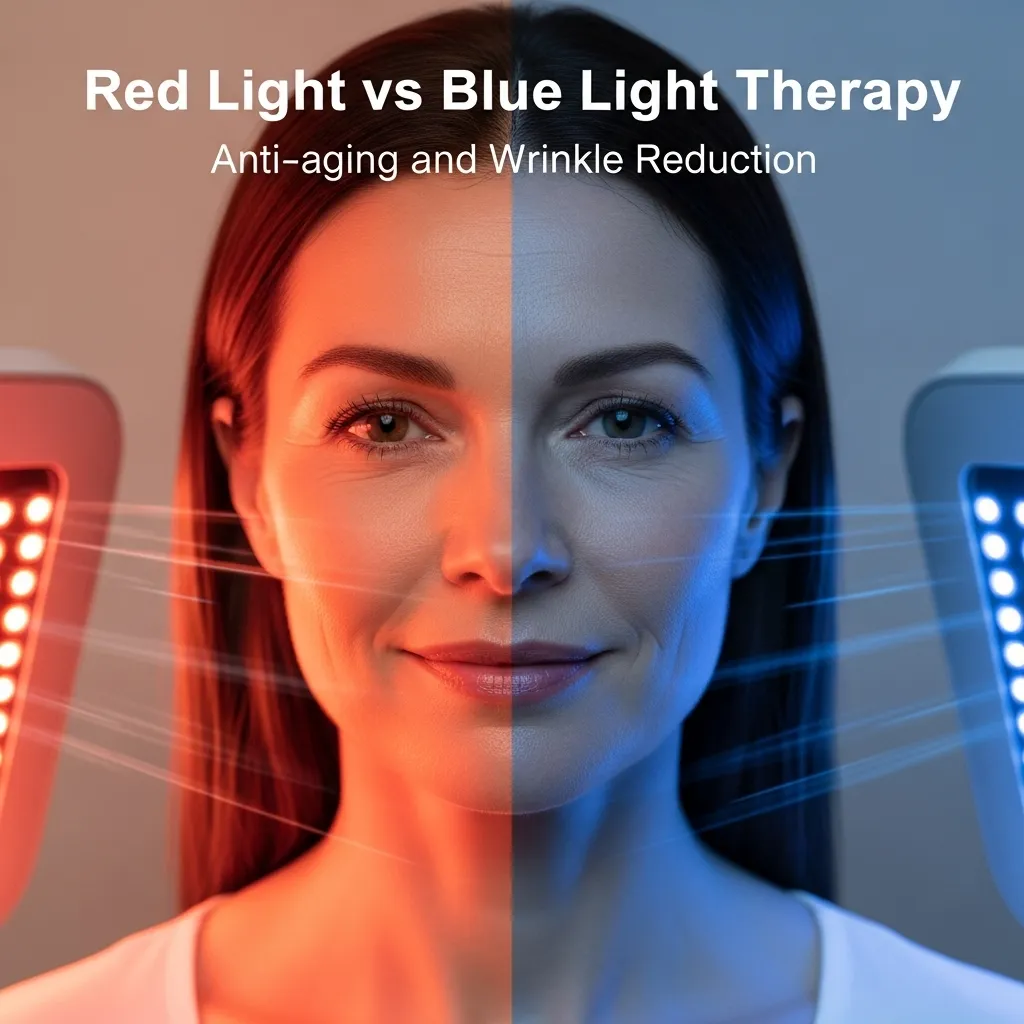
Anti-aging and Wrinkle Reduction
Red light therapy shows remarkable results in fighting aging signs and reducing wrinkles naturally. Almost 90% of patients see softer and smoother skin after eight LED sessions. Research backs these results with impressive numbers. Crow’s feet wrinkles become less noticeable by 15.6% after 28 days and improve by 38.3% after 84 days. The therapy reduces facial sagging by 24.8% in three months. These results help people deal with multiple aging signs at once.
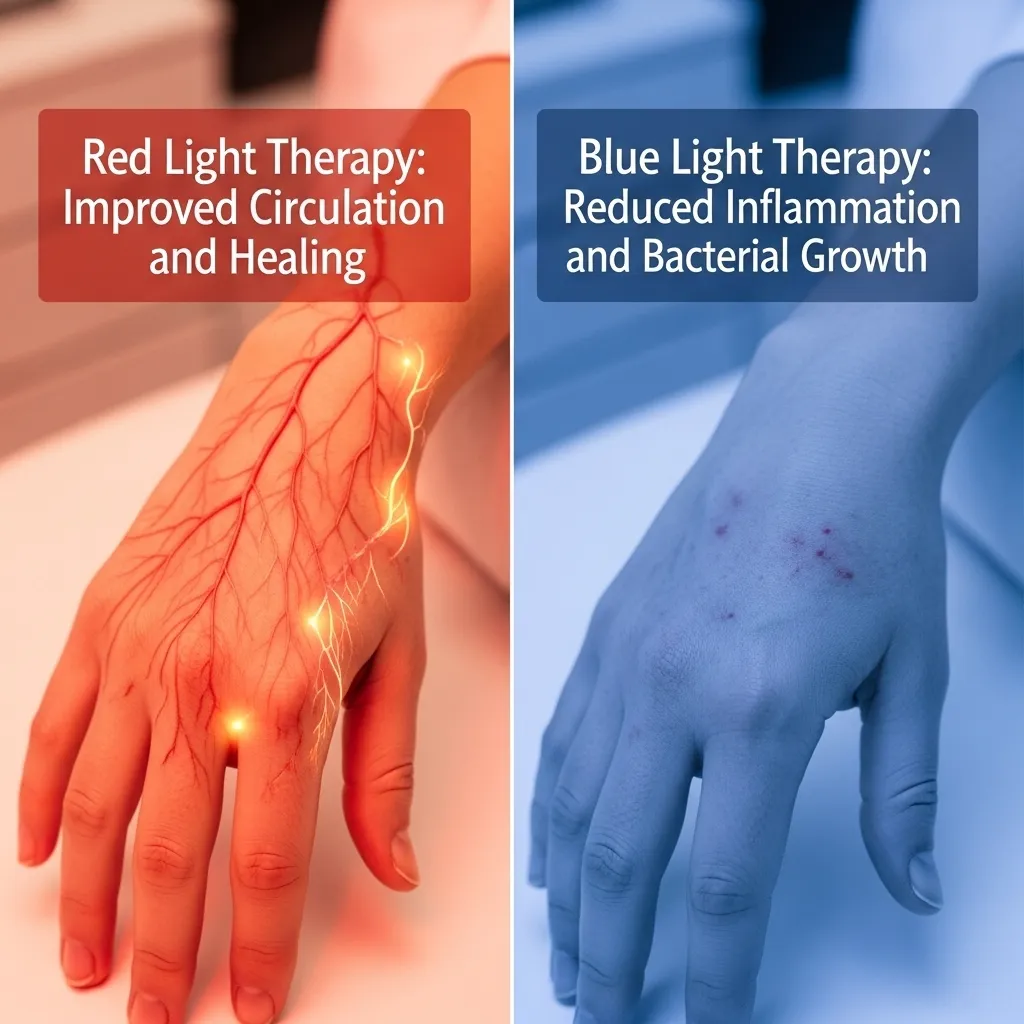
Improved Circulation and Healing
Red light therapy helps improve blood flow through vasodilation. The light exposure releases nitric oxide, which naturally widens blood vessels. This process lets more oxygen and nutrients reach tissues and helps heal wounds, burns, and diabetic ulcers faster. Studies show that this therapy increases VEGF expression to form new blood vessels while reducing inflammation. These conditions are perfect to repair damaged tissue.
Pain Relief and Muscle Recovery
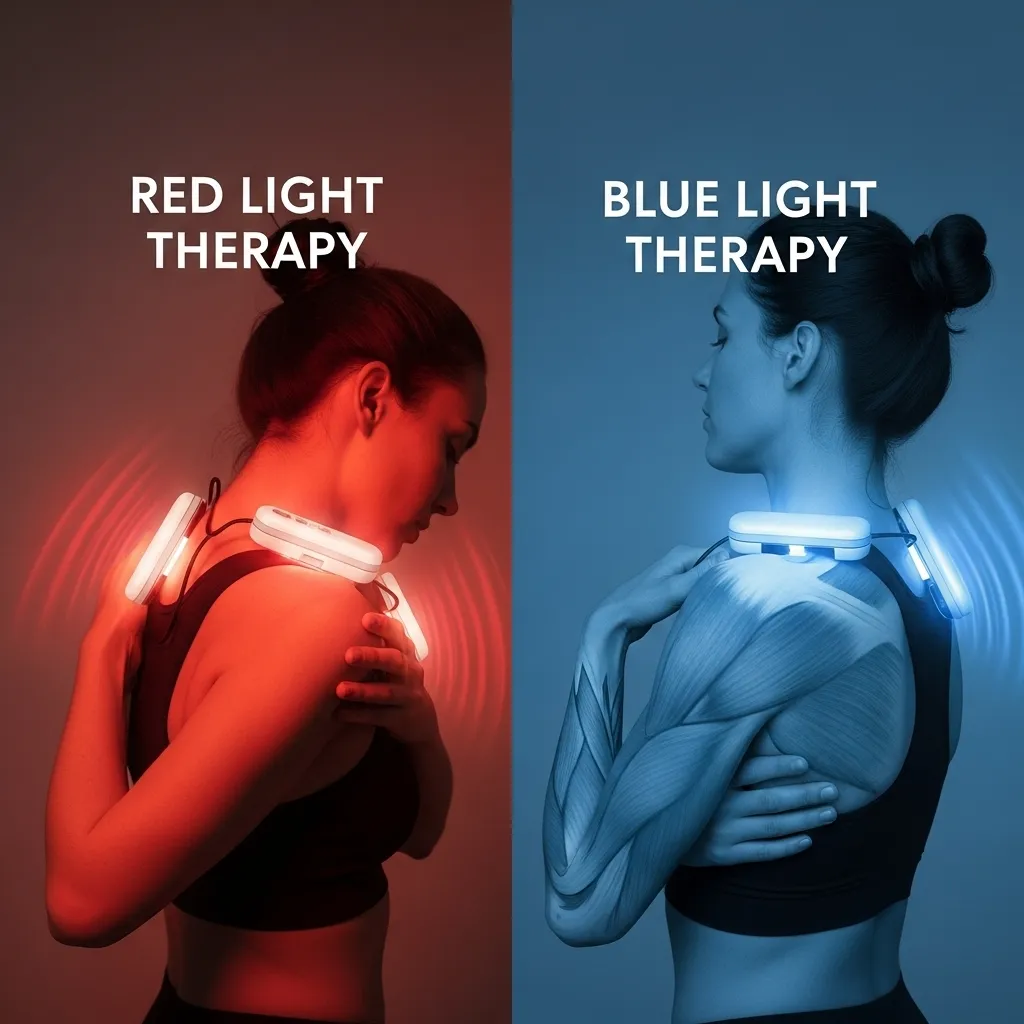
People can use red light therapy instead of medication to relieve muscle pain, arthritis, and muscle spasms. This approach helps reduce dependence on NSAIDs and opioids. Athletes benefit greatly from this therapy. Using it before or after exercise prevents muscle damage, reduces muscle soreness (DOMS), and lowers post-exercise blood lactate levels. Research proves it works better than cryotherapy for sports recovery.
Blue Light Therapy: Benefits and Use Cases
Blue light therapy stands out from other light treatments because it knows how to target skin concerns at the surface level. This therapy works at the 415nm wavelength spectrum and provides specific benefits for various skin conditions.
Acne and Bacteria Elimination
Blue light therapy targets Propionibacterium acnes (P. acnes) bacteria that cause breakouts. These bacteria create porphyrins that absorb blue light energy and start a chemical reaction that destroys them from within. Clinical studies show impressive results – participants saw up to 77% improvement in inflammatory acne lesions after regular treatment. Unlike antibiotics, blue light doesn’t lead to bacterial resistance, making it work well for long-term use.
Sebum Regulation and Oil Control
Blue light therapy does more than kill bacteria – it helps control sebaceous gland activity. Studies show it reduces excess oil production over time without causing dryness or irritation. Research that analyzed lipid formation found blue light substantially stopped sebocyte growth based on the dose used. This balancing effect prevents future breakouts by tackling excess oil at its source.
Surface-Level Skin Conditions
The shallow penetration into the epidermis makes blue light therapy excellent at improving overall skin texture. Users see improvements in sebaceous hyperplasia (enlarged oil glands), sun spots, and acne scarring. The therapy also shrinks pores by reducing congestion through its effects on oil production.
Effectiveness for Rosacea and Psoriasis
While most people know blue light therapy treats acne, it also shows promise for other inflammatory skin conditions. The treatment reduces inflammation and painful spots in rosacea patients. A prospective clinical study showed substantial improvement in patients with mild psoriasis vulgaris.
Red vs Blue Light Therapy: Key Differences
The main difference between these therapeutic approaches comes from their physical properties and how they work.
Wavelength and Depth of Penetration
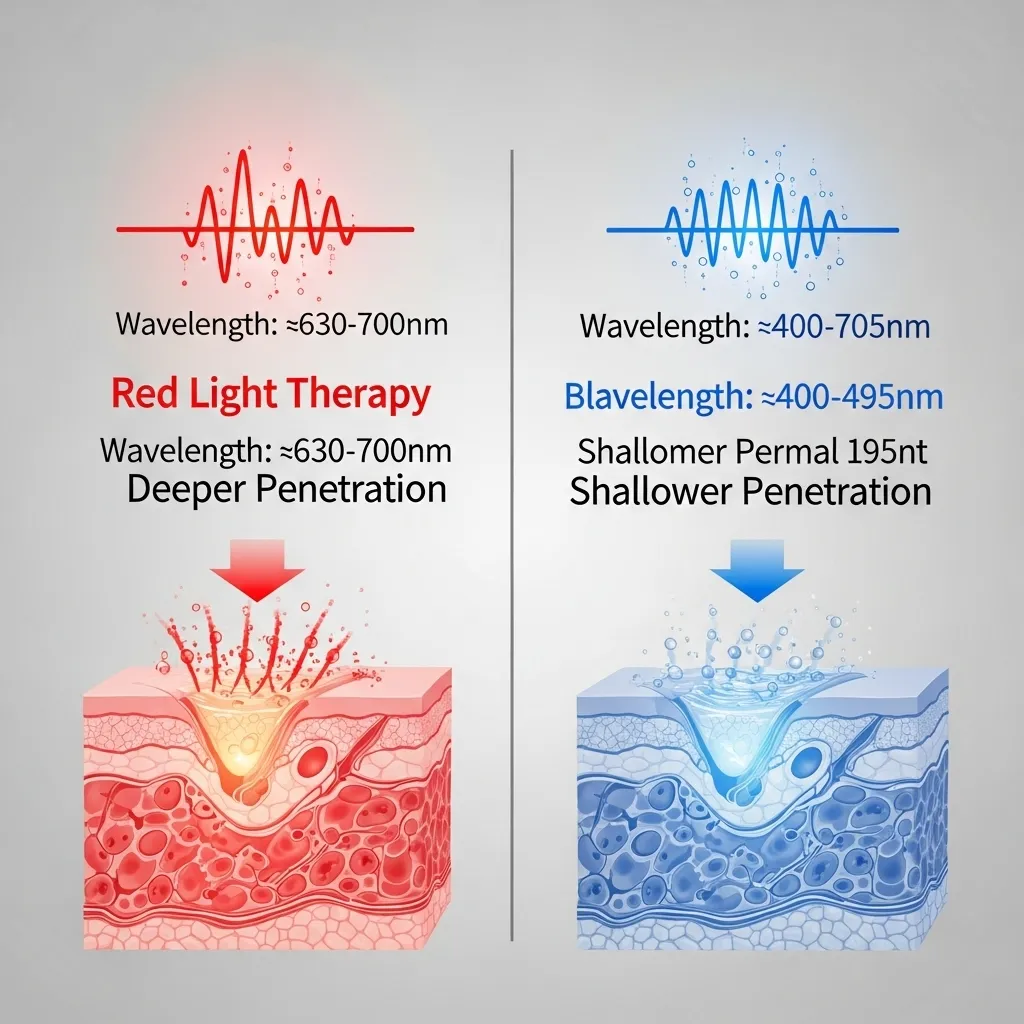
Blue light works at about 415-450 nm wavelength and reaches less than 1 mm into the epidermis. Red light (630-670 nm) is nowhere near a match for near-infrared light. Red light reaches 1-2 mm into the dermis, while near-infrared light goes 5-10 mm into subcutaneous tissue. These varying depths determine what each therapy can treat best.
Best Use Cases: Acne vs Aging
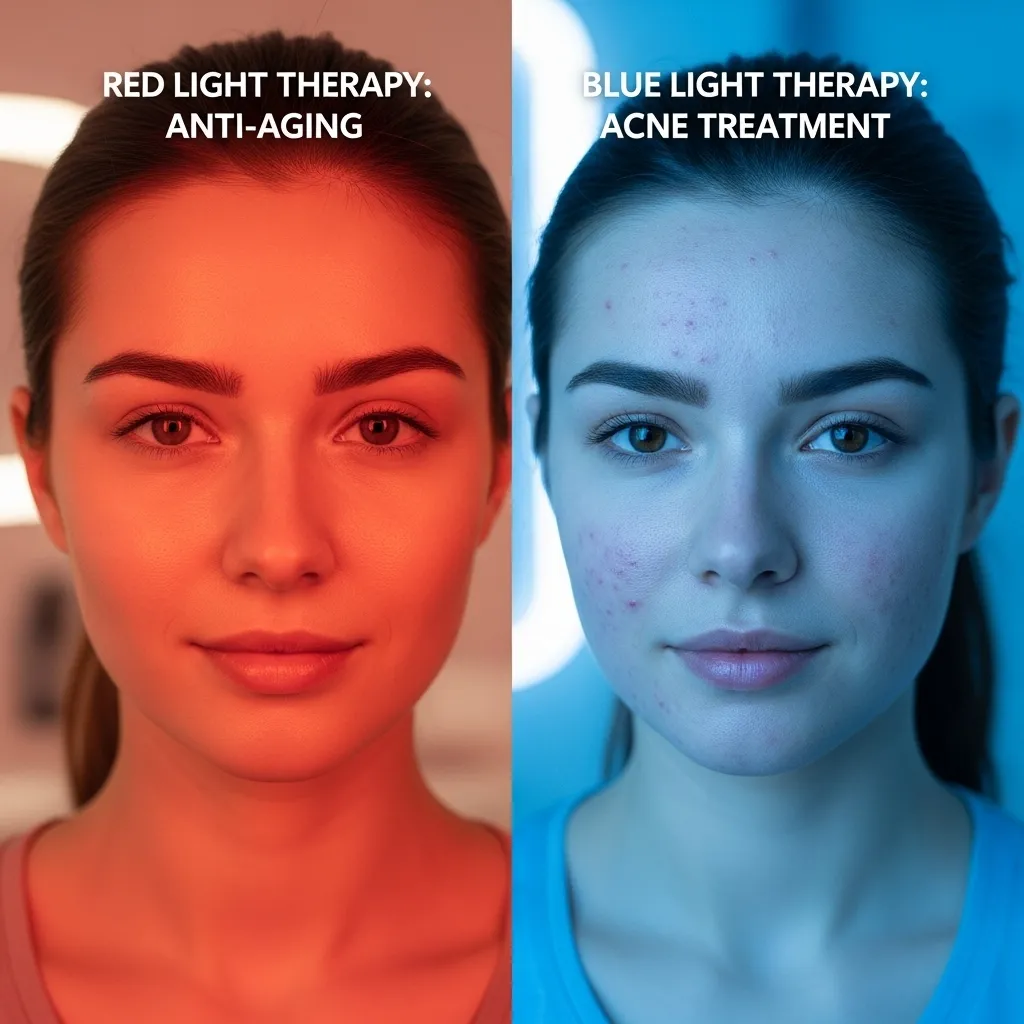
Blue light works great at killing acne-causing bacteria on the skin’s surface. Red light works better for deeper issues like wrinkles and collagen production. One study showed that using both together led to a 77% improvement in inflammatory acne lesions.
Can You Combine Both Therapies?
Most clinicians suggest using both wavelengths together. A 2017 study showed that red and blue light therapy together improved both acne and wrinkles by a lot compared to using just one type. This combination works well because red light helps with inflammation and healing while blue light tackles surface bacteria.
Conclusion
Red and blue light therapy each offer unique benefits, but they work very differently. Red light therapy reaches deeper layers, making it great for anti-aging, reducing wrinkles, boosting collagen, and supporting cell energy through better mitochondrial function. It’s also popular for muscle recovery and pain relief.
Blue light works on the skin’s surface. With its 415, 450 nm wavelength, it kills acne-causing bacteria and helps people with breakouts, oily skin, or rosacea.
Using both together can improve results, especially for those dealing with acne and aging at the same time, research supports the combined approach. Both are generally safe, with only mild temporary irritation.
Your skin concerns should guide your choice: use red light for wrinkles and elasticity, blue light for acne and surface issues. Neither is better overall; each excels in its own area, and many people benefit from using both.