
Red Light Therapy Side Effects & Safety Guide 2025
Many people wonder about red light therapy’s safety. The treatment has become popular among those looking to reduce wrinkles, redness, acne, and other aging signs. NASA scientists created this therapy at the time they needed solutions for plant growth in space and wound healing for astronauts. The applications have now expanded beyond space exploration into medical and cosmetic fields.
The science behind red light therapy targets your cells’ power plants, the mitochondria, which might boost healing and rejuvenation. Research results look promising for people seeking pain relief and better skin. Yet we need to think over possible drawbacks. The therapy proves safe when it uses visible light alone, but some people experience Therapy Side Effects.
These range from mild redness and swelling to more serious reactions like blistering in rare cases. On top of that, some medical conditions and medications make this treatment a poor choice for certain individuals. This piece gets into what makes red light therapy both helpful and potentially risky. You’ll learn who should be careful with this treatment and how to use it safely if you plan to try it.
What is red light therapy and how does it work?
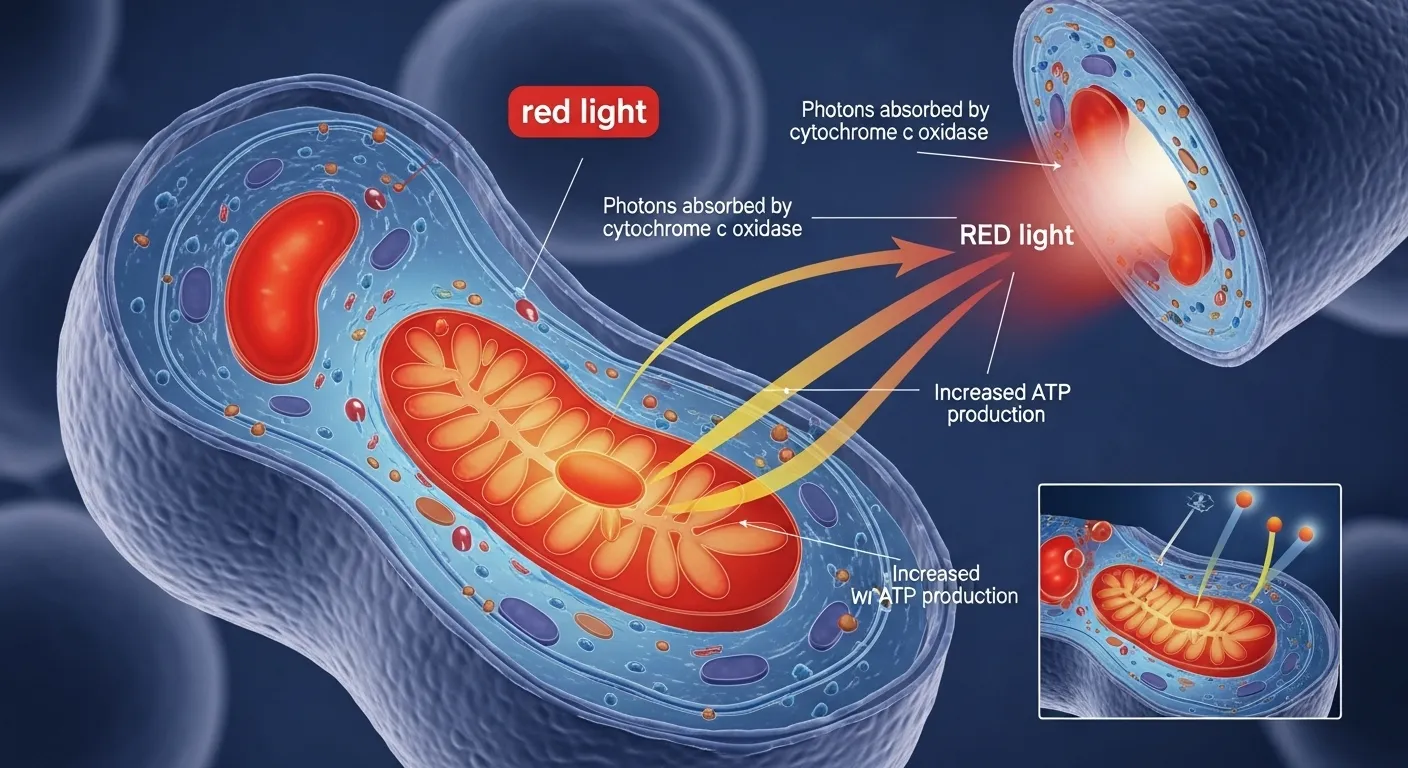
Red light therapy (RLT) is a non-invasive treatment that uses specific wavelengths of red and near-infrared light to penetrate the skin. Your skin won’t burn or age like it does with ultraviolet rays from tanning beds. The treatment feels warm but never hot when it touches your skin.
Understanding the science behind RLT
People also know red light therapy as photobiomodulation or low-level laser therapy. It mainly uses wavelengths between 630-700 nanometers for visible red light and 700-1200 nanometers for near-infrared light. These specific wavelengths can reach 2-3 millimeters deep into the dermis. The science focuses on how these light frequencies trigger helpful biological responses without causing damage.
Common devices used in therapy
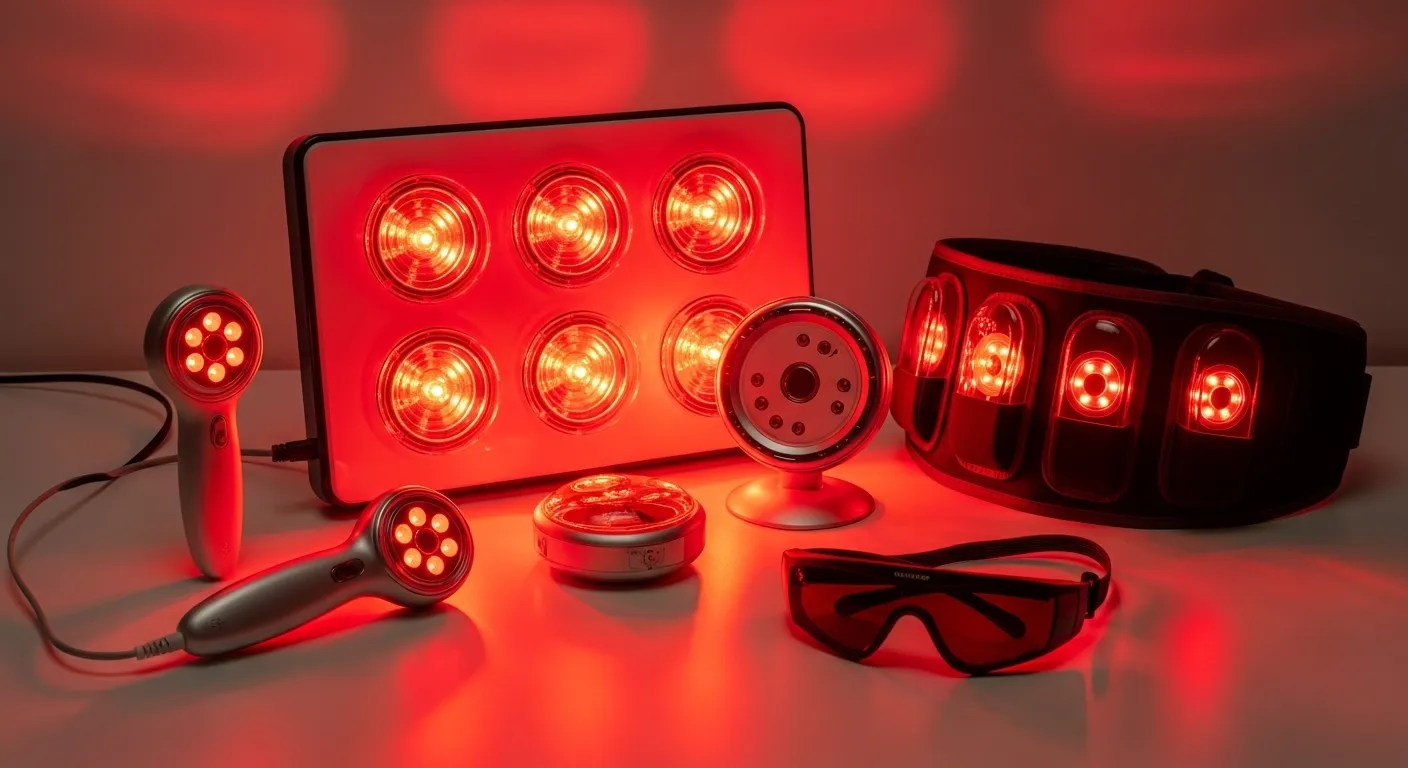
Red light therapy devices come in different types based on what you need to treat:
Professional devices pack more power than home options and include clinical light panels and beds. Home devices include face masks that cover your entire face, panels you can mount on walls or tables, wands to target specific areas, and helmet-style caps to treat your scalp.
Is red light therapy safe for everyone?
People often ask about safety before trying light-based treatment. Red light therapy is safe for most people, especially when you use it correctly and for short periods.
Short-term safety: what we know
Research shows red light therapy has minimal risks with proper use. The treatment doesn’t use toxic materials, doesn’t invade your body, and it’s gentler than many skin treatments. This therapy doesn’t use cancer-causing wavelengths, unlike UV rays from sunlight or tanning beds. You might notice some redness right after treatment, but it usually goes away quickly.
Long-term safety: what’s still unknown
The short-term safety looks promising, but we don’t know much about the long-term effects of red light devices. Scientists are still reviewing potential effects from regular use over time as this technology grows in popularity. It makes sense to check in with your healthcare provider regularly during ongoing treatment.
Differences in safety by skin type
Safety levels change based on skin color. Clinical studies show red light therapy stays safe up to 320 J/cm² for skin of color (traditionally Fitzpatrick skin phototypes IV-VI) and up to 480 J/cm² for non-Hispanic Caucasian individuals (traditionally Fitzpatrick skin phototypes I-III). People with darker skin show 50% more sensitivity to red light. Too much exposure can cause blistering and long-lasting redness, whatever your skin type.
FDA clearance and medical oversight
Quality red light therapy devices get FDA clearance instead of FDA approval. This difference matters because FDA clearance shows the device is safe and matches other legally sold devices. The clearance focuses on safety rather than how well it works. Red light therapy isn’t right for everyone. You should avoid it if you take photosensitizing medications like isotretinoin and lithium. People need to talk to their healthcare providers first if they have a history of skin cancer, certain eye diseases, or open wounds. Your best bet is to see a dermatologist who can tell if this therapy suits your needs.
What are the side effects of red light therapy?
Red light therapy causes minimal Therapy Side Effects for most users, but you should learn about possible reactions to use it safely.
Mild Therapy Side Effects: redness, irritation
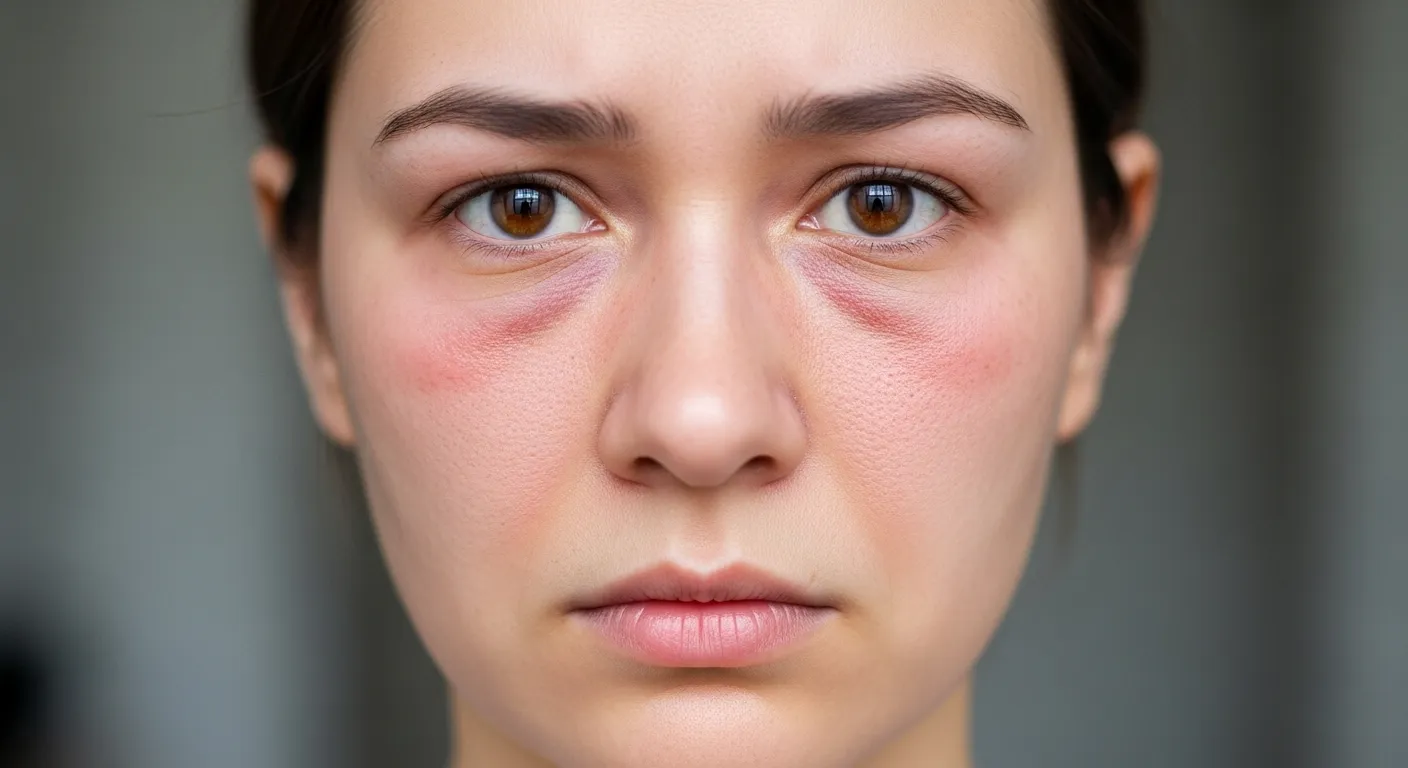
The most common effects include temporary skin redness, mild irritation, and dryness. These symptoms usually go away within hours after your treatment. New users should start with short 10-20 minute sessions to minimize these responses. You might get headaches or feel dizzy, though this doesn’t happen often. Some people notice acne breakouts at first when the treatment brings skin impurities to the surface.
Rare but serious reactions: blistering
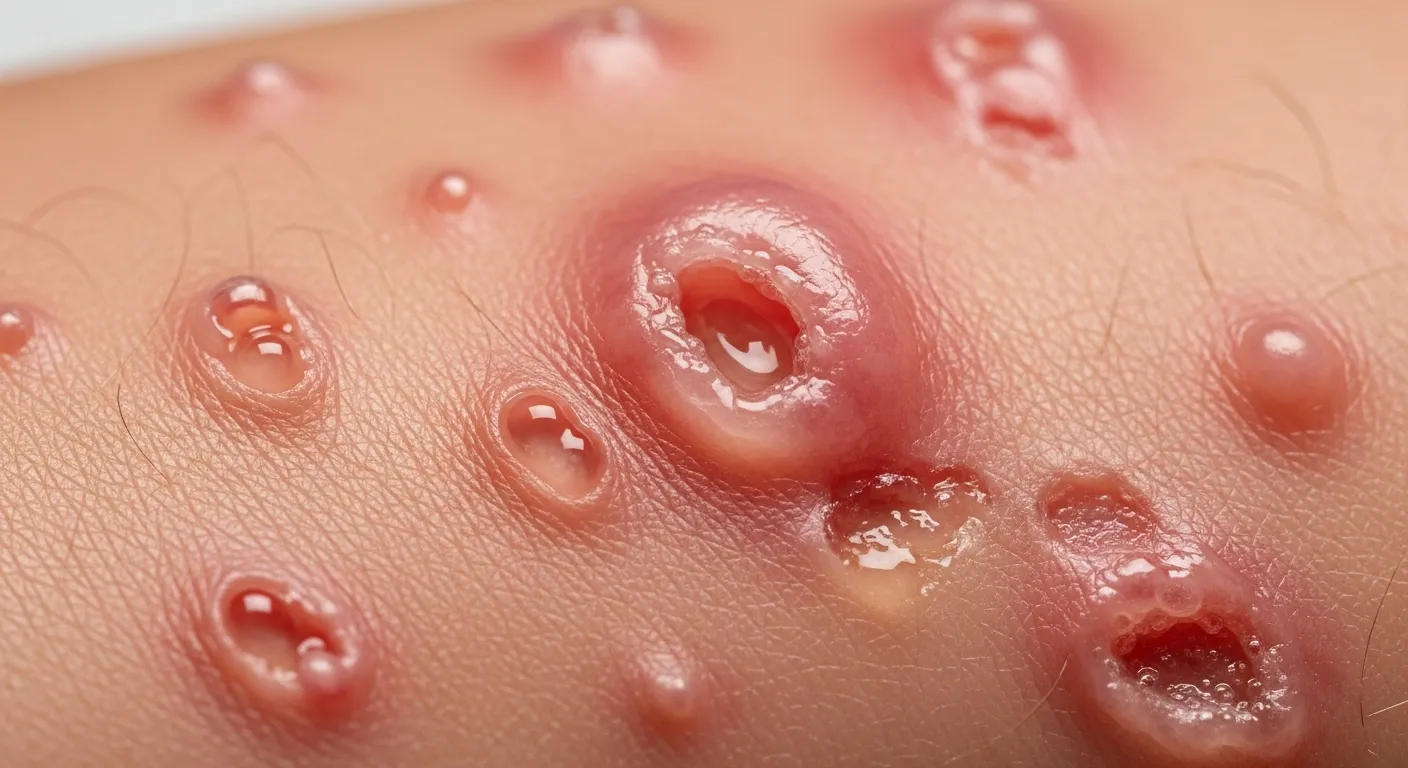
High-intensity red LED light can cause skin blistering. Some people develop hyperpigmentation after treatment, especially when using certain photosensitizers in photodynamic therapy. Too much exposure might lead to temporary burns or skin damage. Early-stage clinical trials show these serious reactions rarely happen.
Can red light therapy harm your eyes?
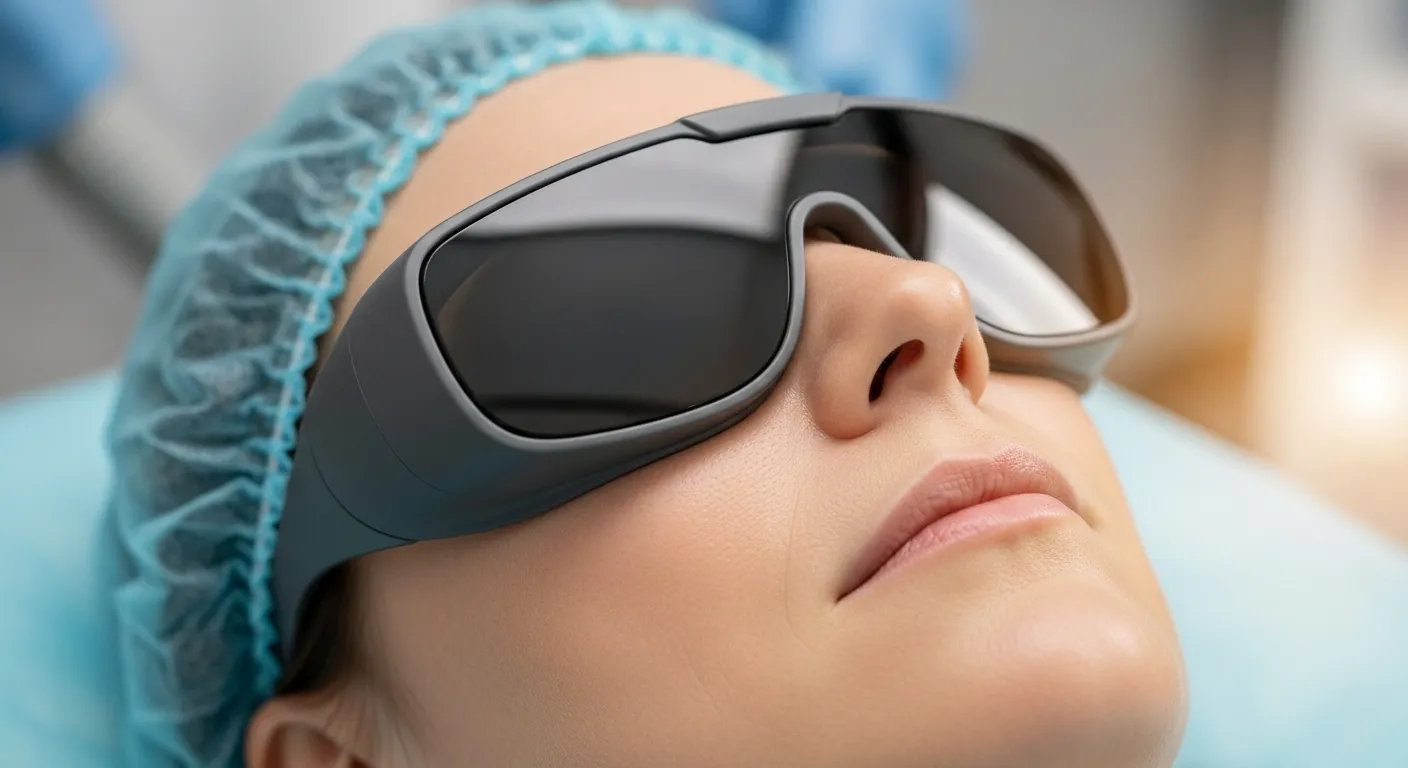
Your eyes can suffer damage from direct red light exposure. You should wear protective goggles during your sessions. Some research hints that specific red light wavelengths might help with age-related eye conditions. Until scientists complete more detailed studies, you need to protect your eyes.
Photosensitivity and medication interactions
Your risk of adverse reactions increases with photosensitizing medications. These include:
- Tetracyclines and fluoroquinolone antibiotics
- NSAIDs and some diuretics
- Tricyclic antidepressants and antipsychotics
- Topical retinoids
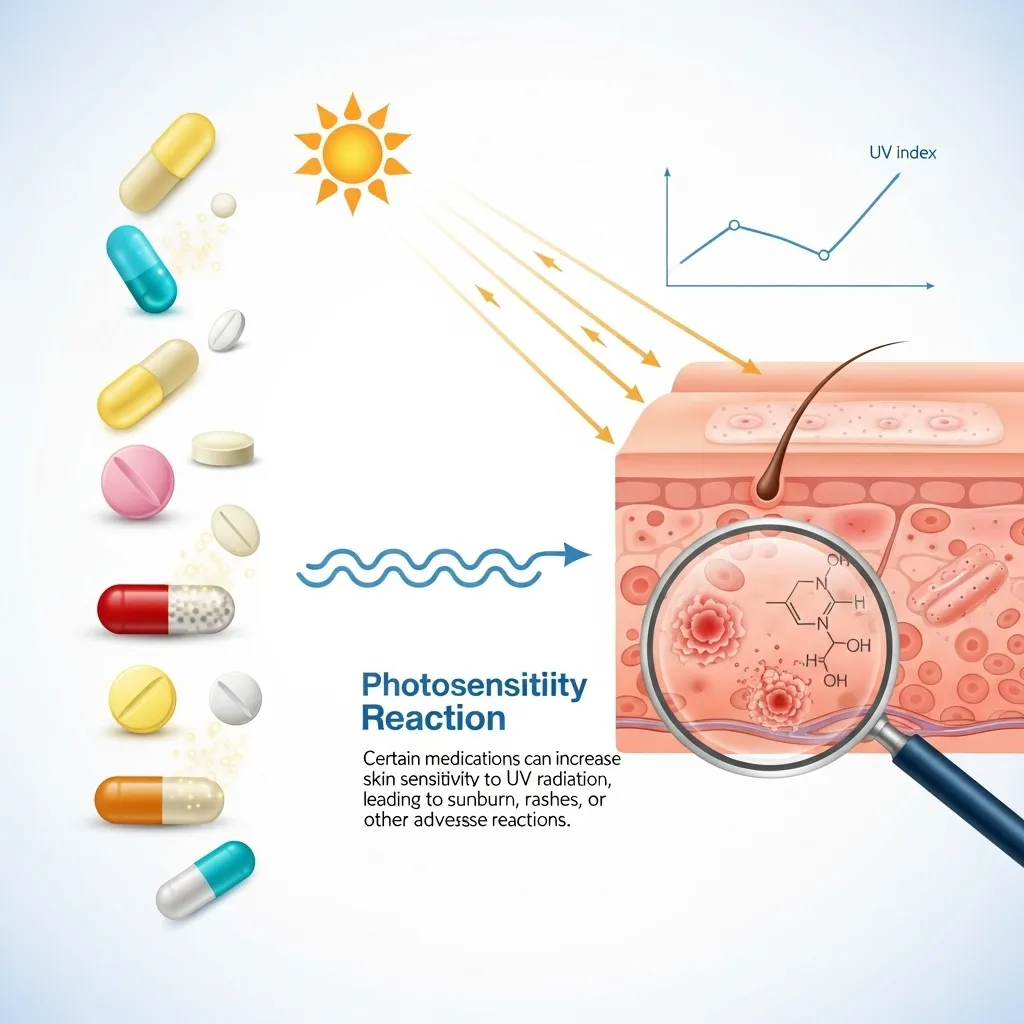
These medications can make reactions worse, ranging from mild irritation to severe burns.
Red light therapy dangers for pregnant individuals
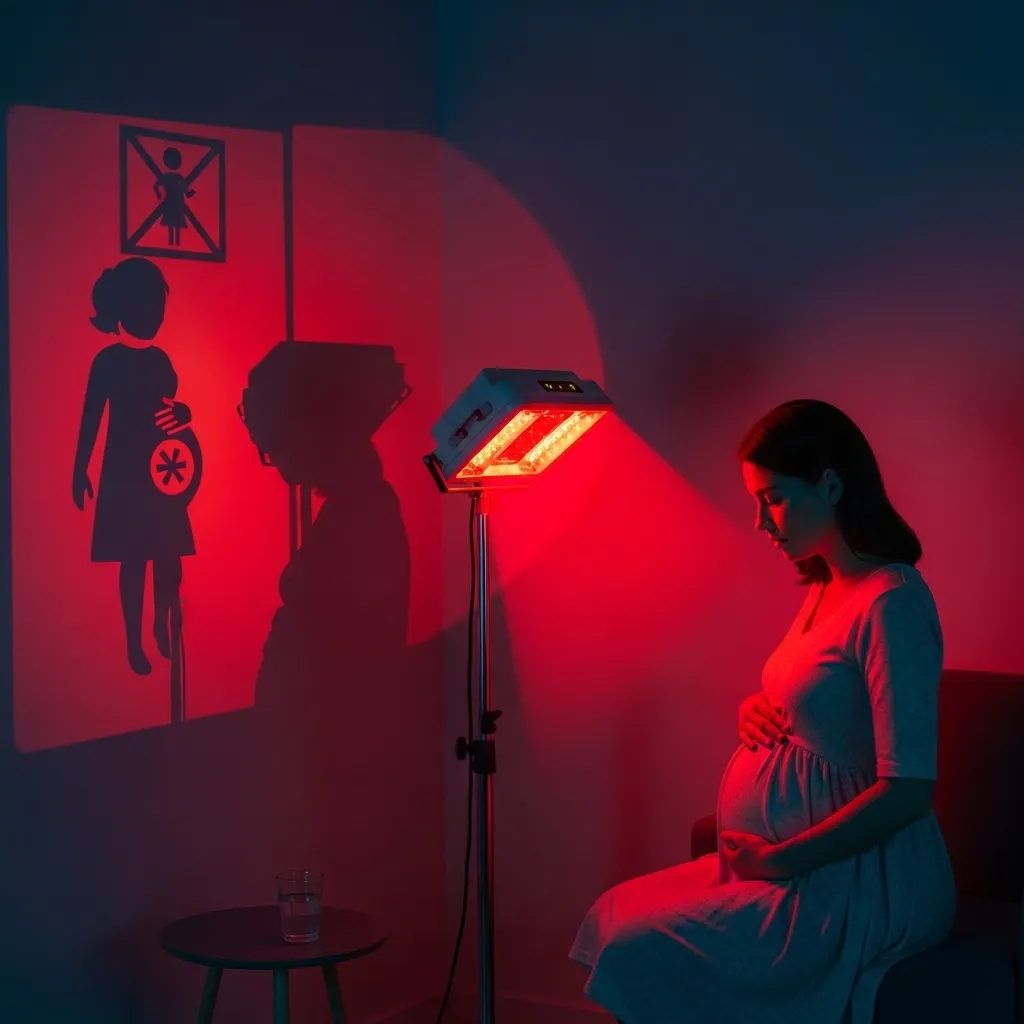
Scientists haven’t done enough research about red light therapy during pregnancy. Most manufacturers tell pregnant women not to use their products because of limited safety data. Medical experts suggest avoiding direct exposure to your abdomen. You should talk to your healthcare provider before trying this treatment during pregnancy.
How to use red light therapy safely at home
Red light therapy at home provides convenience, but safety precautions remain vital. Your healthcare provider’s approval is significant, particularly if you take medications that could trigger photosensitivity.
Following usage guidelines
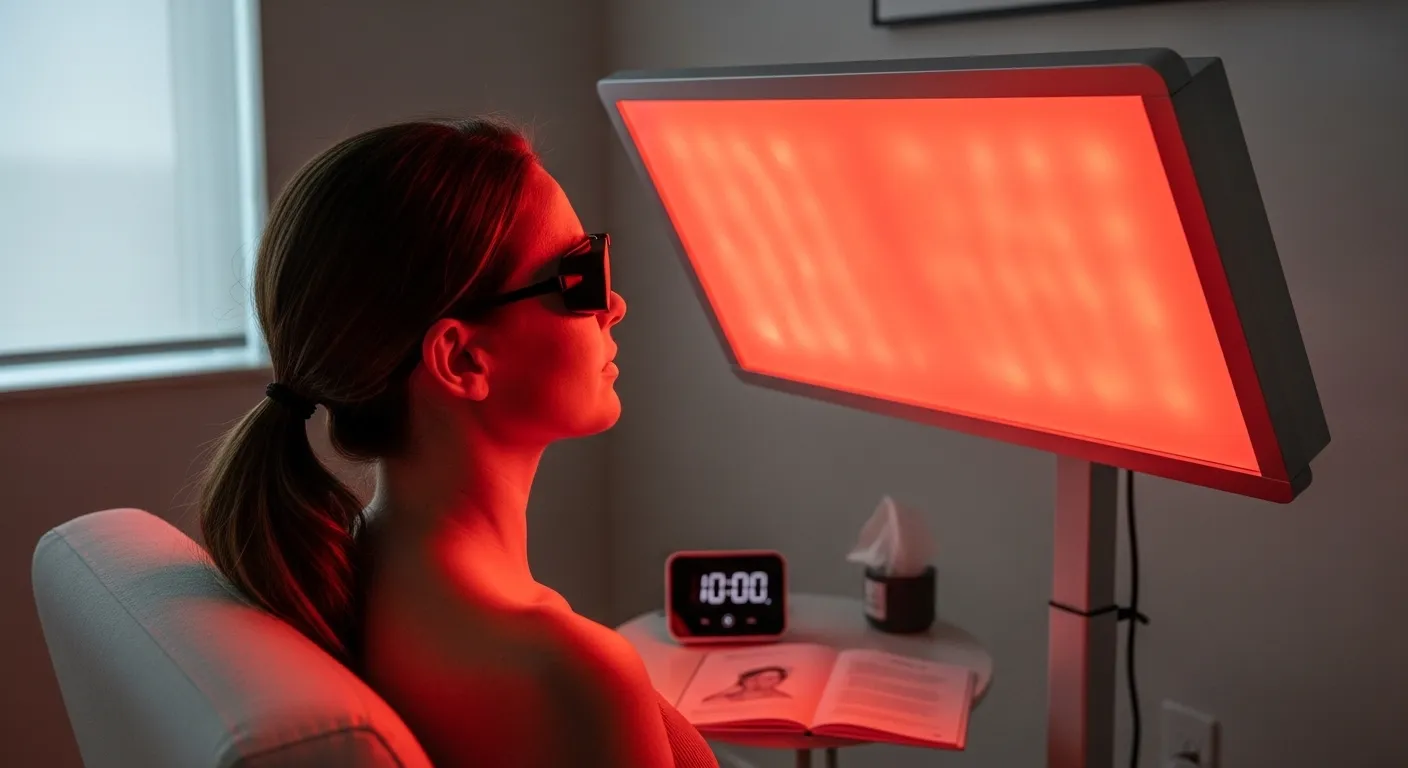
Your skin should be clean and product-free to get the best light absorption. The device works best 6-8 inches away from your treatment area. Short sessions of 10-20 minutes 3-5 times weekly work well to start. You can gradually increase the duration as needed. Later, 2-3 weekly sessions should maintain the results.
Protecting your eyes during treatment
Eye protection isn’t optional during your therapy sessions. Regular sunglasses won’t cut it – you need specialized blackout goggles. Some medications can make your eyes more sensitive to light, which makes proper protection even more important.

When to stop or consult a doctor
Stop treatments right away if you notice burns, blisters, or unusual skin reactions. Your doctor should know about any unexpected Therapy Side Effects. Cancer patients must get their oncologist’s approval before starting any treatment.
Conclusion
Red light therapy continues to gain popularity as a safe and effective option for improving skin health, reducing inflammation, and easing pain. When used properly, it offers real benefits with minimal risks. Most people experience only mild effects such as temporary redness or warmth that quickly fades after treatment. However, excessive exposure or incorrect use may cause rare Therapy Side Effects like blistering or skin discoloration, which is why following proper guidelines is essential.
Eye safety remains one of the most important precautions. Regular sunglasses aren’t enough, protective goggles designed for light therapy must be worn to prevent potential eye strain or damage. Those with medical conditions like lupus, active cancer, or who are pregnant, as well as anyone taking photosensitizing medications, should consult a healthcare professional before beginning treatment. you can read our comparison guide about Vibration Platform: My 60-Day Test Results (2025) also.
For home use, choosing FDA-cleared devices with the right wavelength and power output ensures safer, more reliable results. Start with short sessions and gradually increase exposure to let your skin adapt. While more studies are needed to understand the long-term effects, current data supports red light therapy as a promising, non-invasive method to enhance recovery and rejuvenation. With correct use, medical guidance, and proper precautions, it can be a valuable addition to your wellness routine.