
Red Light Therapy: Best Timing Guide
Many people ask about the right frequency of red light therapy sessions needed for visible results. This question comes up often, both from beginners and those who already use this treatment. The best approach is to start with 3-5 sessions every week that last 10-20 minutes each. Your specific goals and skin’s response will determine the exact timing. Research backs this up – one study revealed positive effects in people who had twice-weekly sessions over 15 weeks. Some people might benefit from daily sessions at first, especially for pain management.
When it comes to anti-aging benefits, 2-3 weekly sessions of 20 minutes work best. Let us help you understand the science of red light therapy timing. We’ll explain everything about those 630-700 nanometer wavelengths and help you create a schedule that fits your needs. This piece will show you how to get the most out of your treatment safely and effectively.
Understanding Red Light Therapy Basics
Red light therapy works within a specific part of the electromagnetic spectrum. The wavelengths range from 630-850nm. These wavelengths create a sweet spot where your body’s tissues respond best to treatment.
What red and near-infrared light actually do
Red and near-infrared (NIR) light transform your cells through a process called photobiomodulation. Your cells contain photoreceptors that absorb these light wavelengths when they pass through your skin. The primary target is cytochrome c oxidase (COX) in the mitochondria. This kicks off several important changes in your body. The process boosts your cells’ energy production through increased mitochondrial ATP. It also releases nitric oxide, helps your cells use oxygen better, and changes how reactive oxygen species signal each other. Your body responds by repairing cells faster and reducing inflammation.
The impact on mitochondrial function matters because poor mitochondrial health associates with many health issues. So the cellular changes from red light therapy can create positive effects throughout your entire body.
How light wavelengths affect different tissues
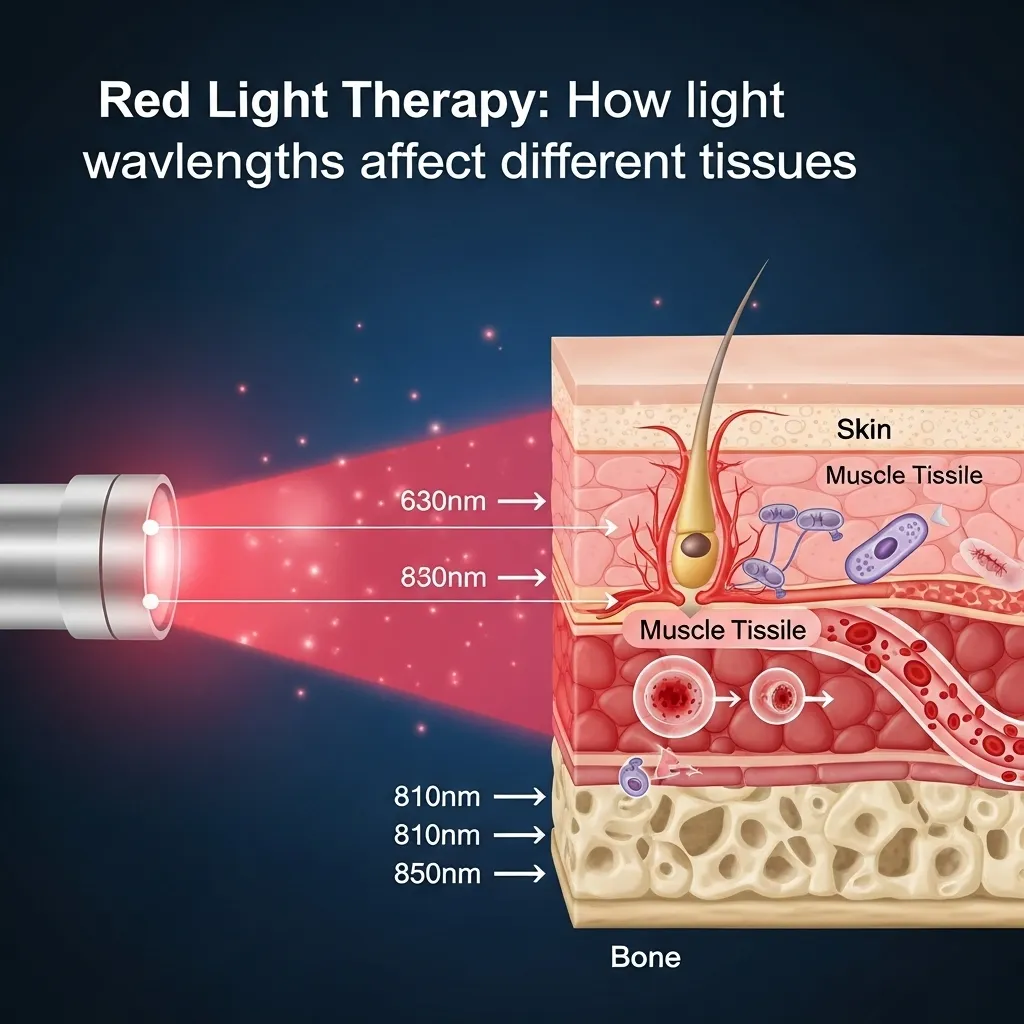
Light penetrates your tissues at different depths based on its wavelength. NIR wavelengths (750-1100nm) reach much deeper than red ones. To name just one example, 660nm red light reaches about 10mm deep, while 850nm near-infrared light can go as far as 40mm.
- Wavelength (longer ones go deeper)
- Tissue composition (dense tissues scatter more light)
- Melanin concentration (changes absorption rates)
- Gender (light goes deeper in females than males)
The benefits of light therapy follow a specific pattern – you need just the right amount. Too little won’t help, and too much might cancel out the benefits. That’s why getting the treatment schedule right really matters.
Common conditions treated with red light therapy
Research shows red light therapy can help with many issues:
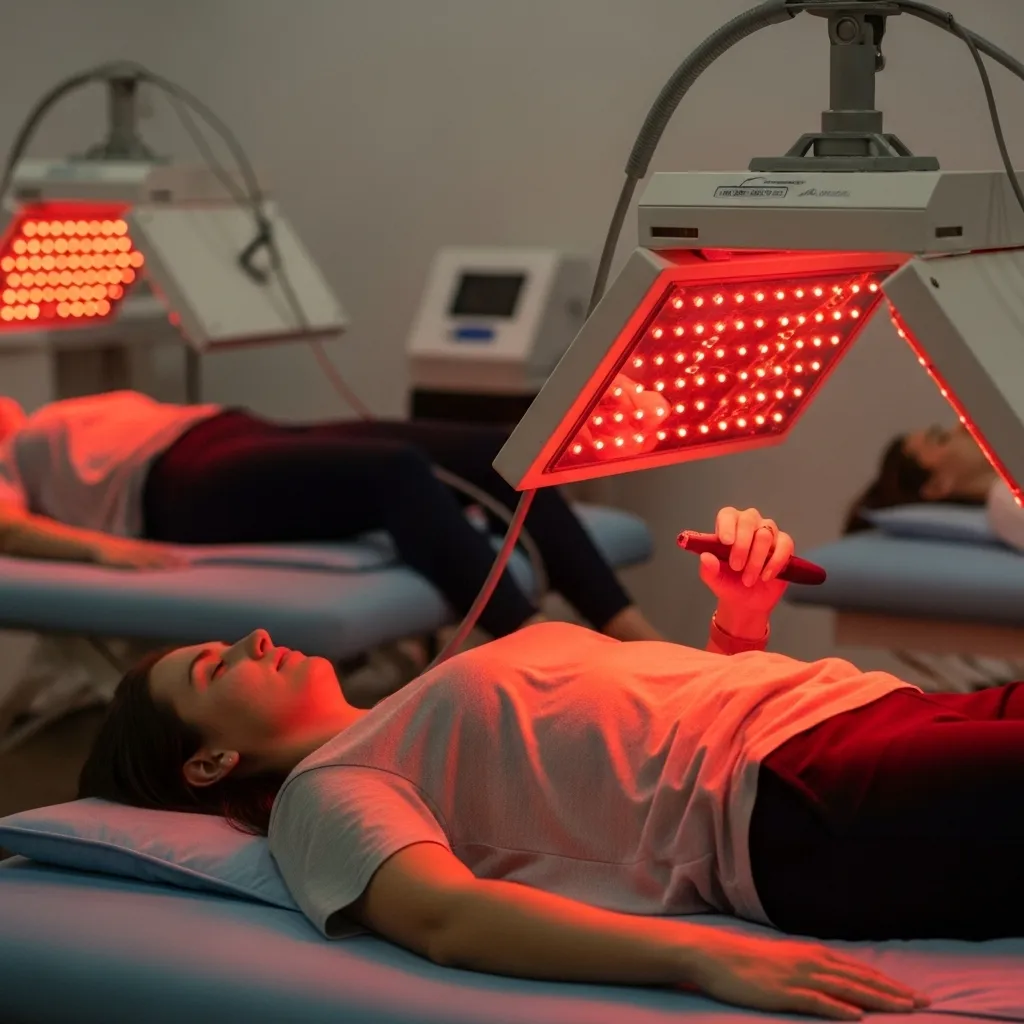
- Skin conditions: Wrinkles, scars, acne, psoriasis, eczema, and rosacea
- Pain management: Arthritis, tendinopathies, and neuropathic pain
- Recovery: Muscle repair, reduced inflammation, and decreased oxidative stress
- Neurological applications: Potential benefits for traumatic brain injury and Alzheimer’s disease
- Hair growth: Effective treatment for androgenic alopecia)
In spite of these promising results, experts say we need more large-scale research. The current evidence suggests that red light therapy can help substantially when used with the right timing and wavelengths.
How Long and How Often to Do Red Light Therapy
The secret to effective red light therapy lies in finding the right balance between frequency and your body’s response. Here’s a practical guide to timing that helps you get maximum benefits without overdoing it.
General frequency guidelines for beginners
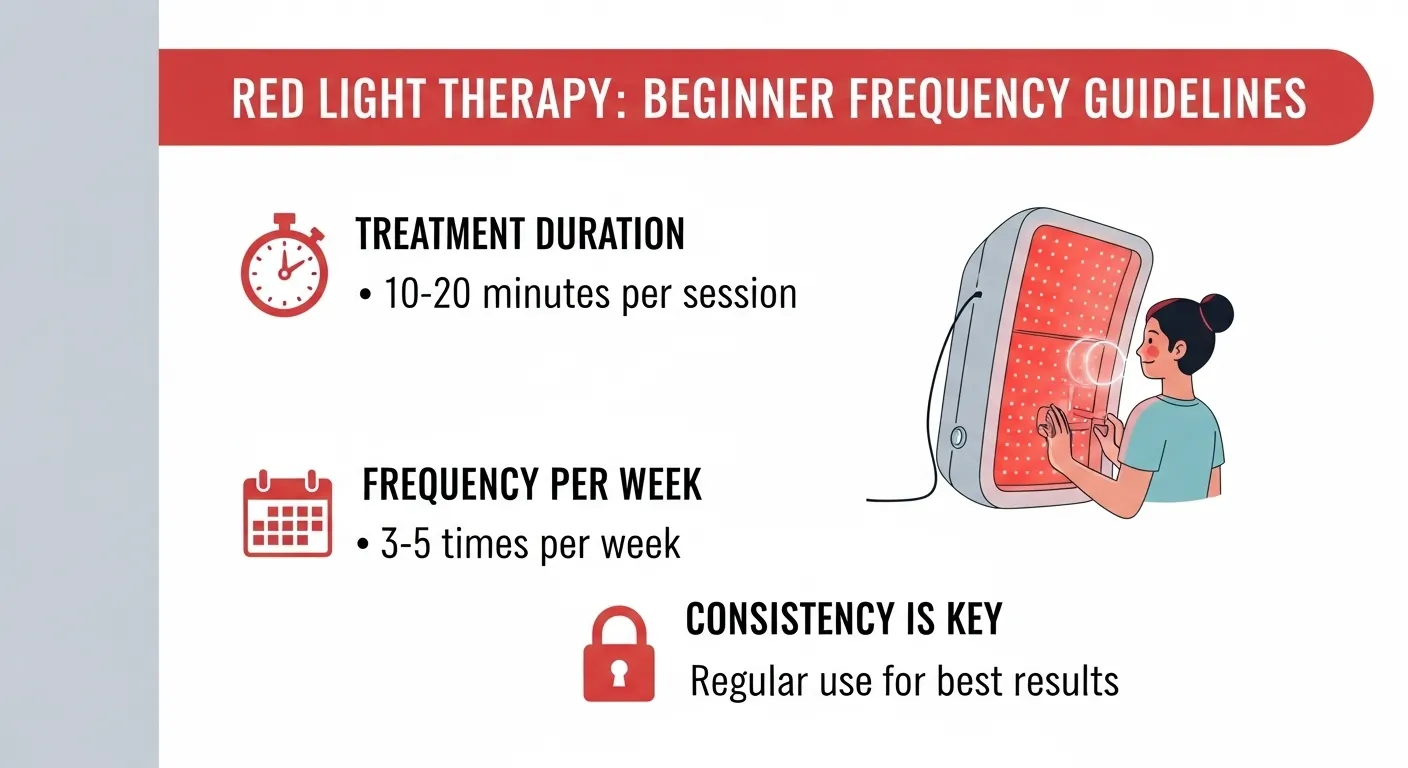
Your consistency matters more than intensity when you start red light therapy. Research shows that 3-5 sessions per week works best. This measured approach lets your cells respond to stimulation without system overload. Your body needs 4-6 weeks to adjust to the therapy. You’ll see improvements that allow you to reduce sessions to 1-3 times weekly for maintenance.
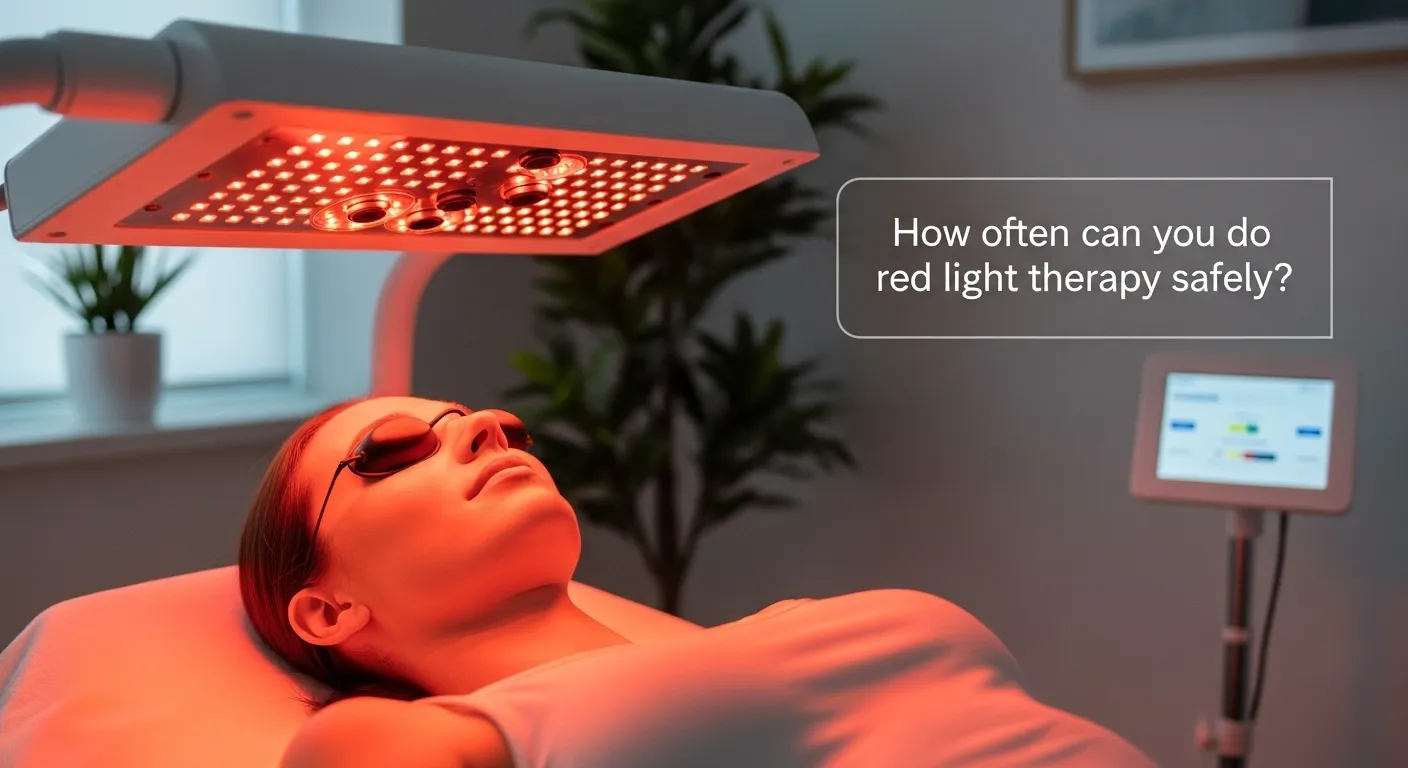
How often can you do red light therapy safely?
Scientists describe red light therapy through a “biphasic dose response”. The benefits remain minimal with insufficient exposure, while excessive use can reduce positive effects.
Red light therapy remains safe for daily use, especially when treating injuries or acute pain in the first week. Most conditions need only 3-4 sessions weekly with rest days between treatments.
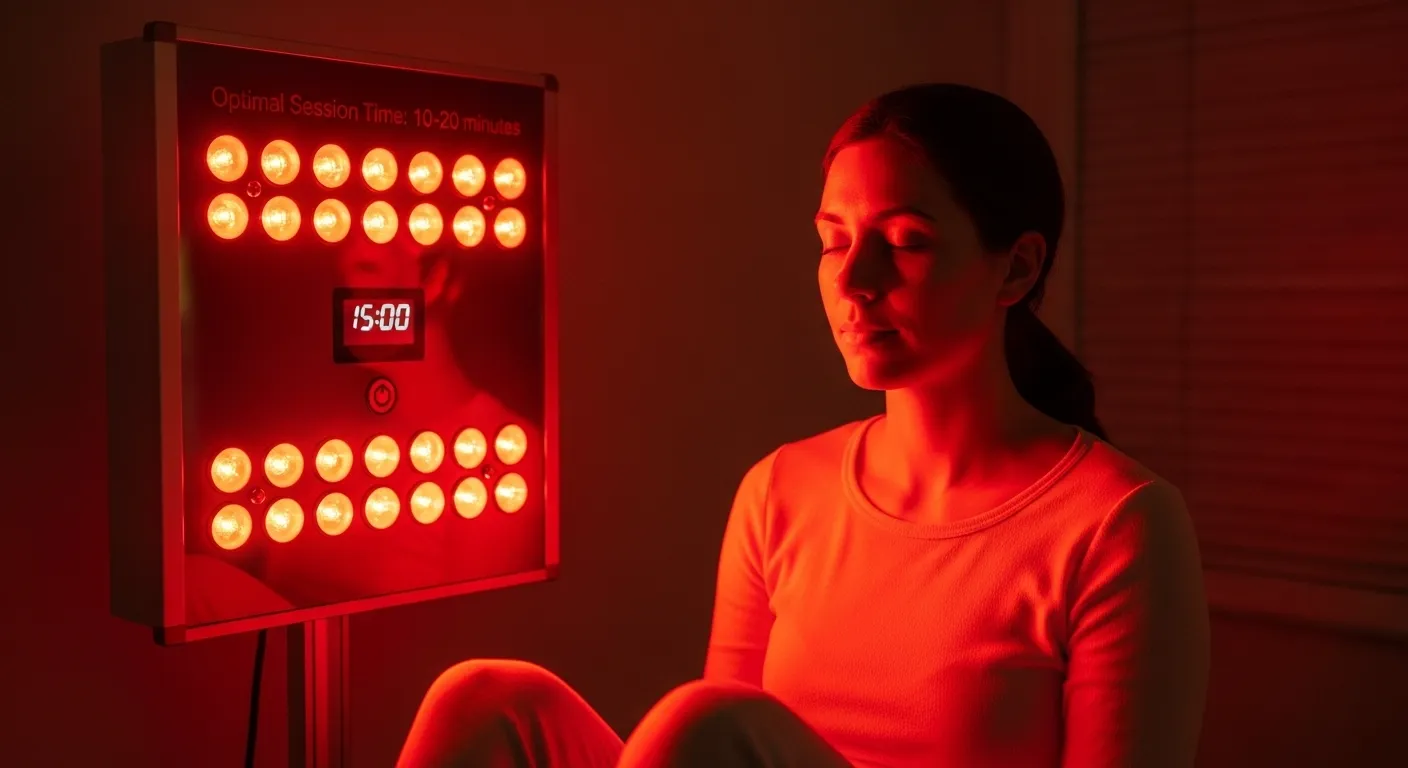
How long should you do red light therapy per session?
We found that 10-20 minutes per session works well for most treatments. New users should start with 5-minute sessions to test skin sensitivity before they increase duration.
Your position affects treatment time. Shorter sessions work better close to the device. Deep tissue treatment needs 10-15 cm distance from the light source. Skin rejuvenation shows better results at 30-45 cm.
Choosing and Using the Right Device
Your red light therapy results depend on choosing the right device and using it properly. Let’s look at what makes your treatments work better.
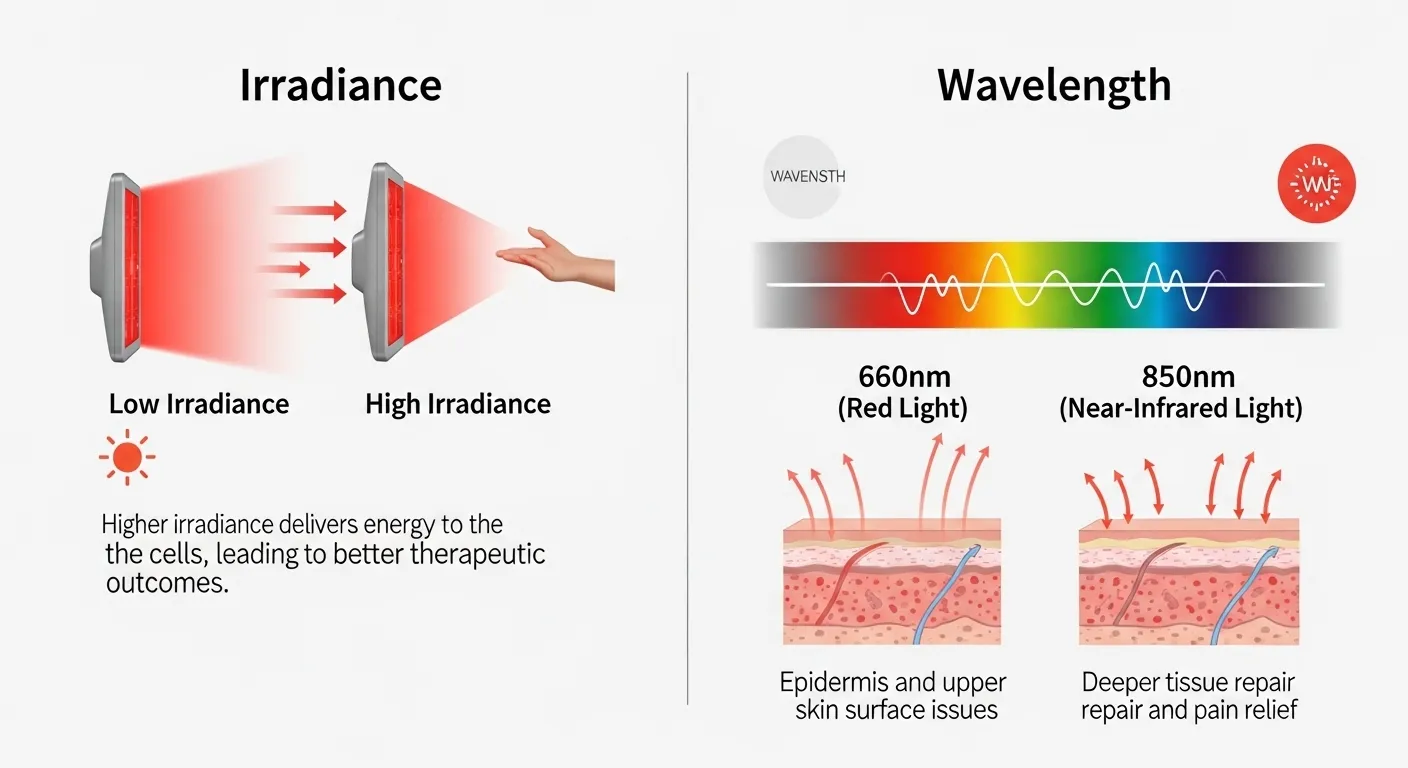
Why irradiance and wavelength matter
Irradiance (power density) shows how much light energy reaches your skin. It’s measured in milliwatts per square centimeter (mW/cm²). The best results come from devices with irradiance between 20-200 mW/cm². Devices with at least 100 mW/cm² work better for deeper tissues like muscles and joints.
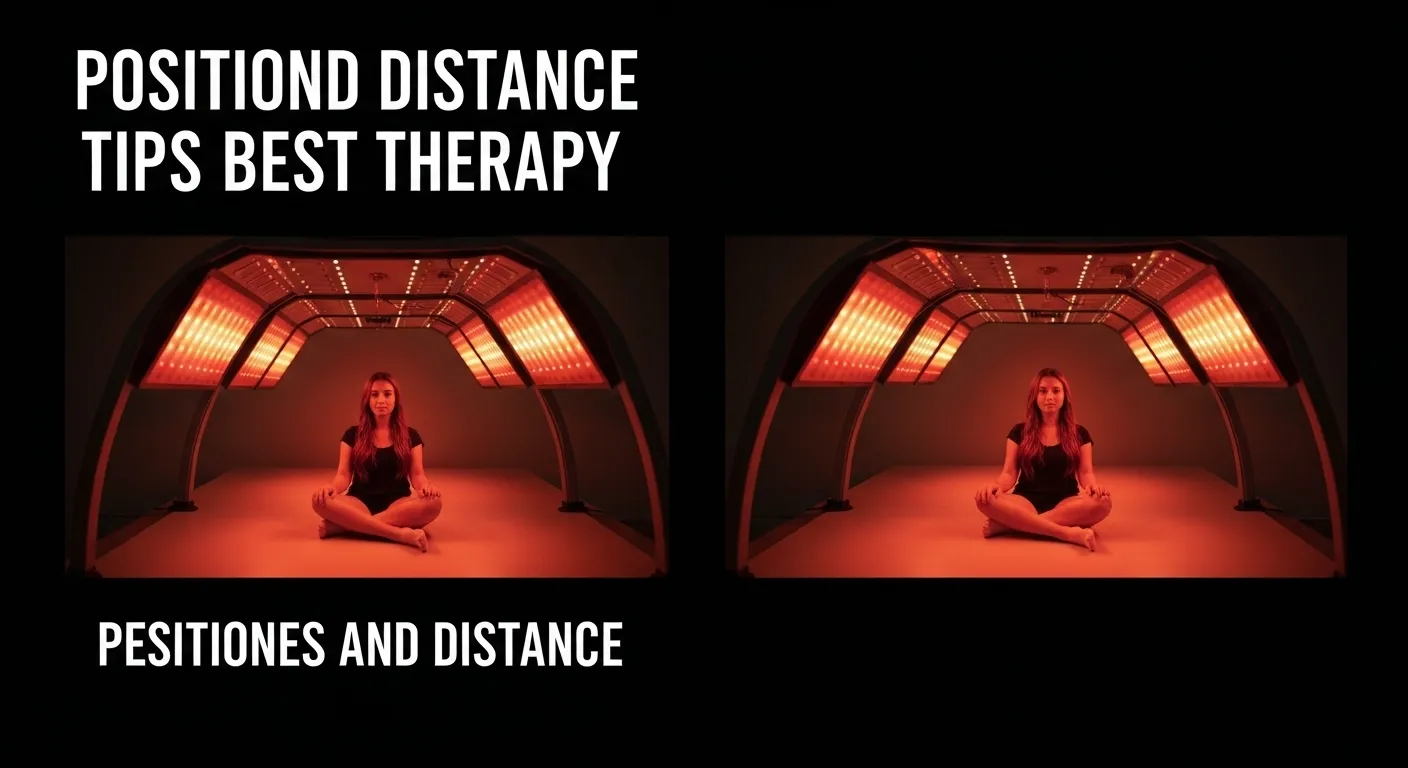
Positioning and distance tips for best results
Your device works best when placed 6-12 inches from your body. The right distance changes based on what you’re treating:
Skin treatments need the device 30-45 cm away for 1-5 minutes per area. Joint pain and deeper tissue issues need it closer at 15-30 cm for 2-10 minutes per area. The closer your device is, the less time you need for treatment.
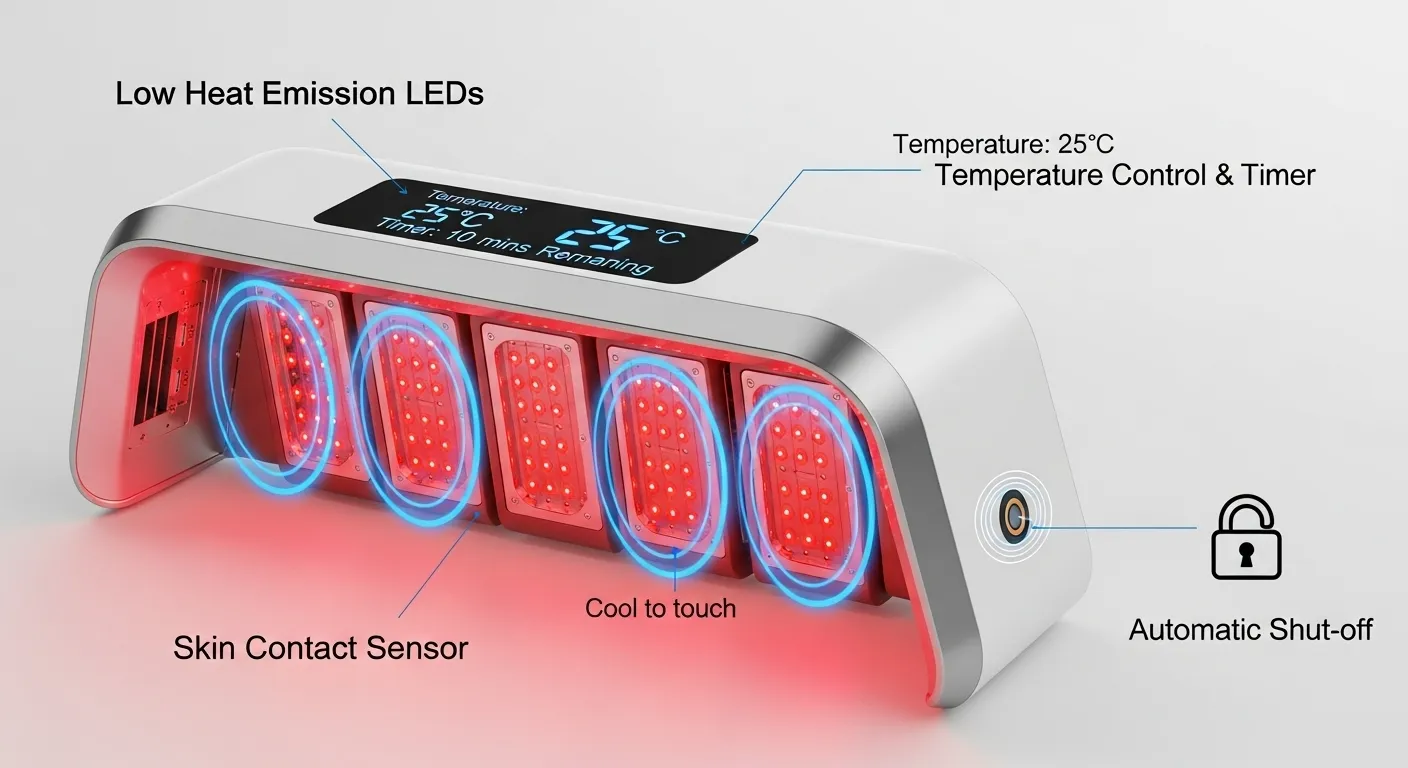
Safety features to look for in a device
The best devices have FDA clearance, which shows they’ve passed safety tests. Built-in timers help prevent overexposure, and protective eyewear is essential during treatments. Devices with controlled wavelengths are safe when used correctly and for the right amount of time.
Customizing Your Red Light Therapy Schedule
Red light therapy works best when personalized to your needs. You can get optimal results by tracking your progress and adjusting your schedule accordingly.
Tracking progress and adjusting frequency
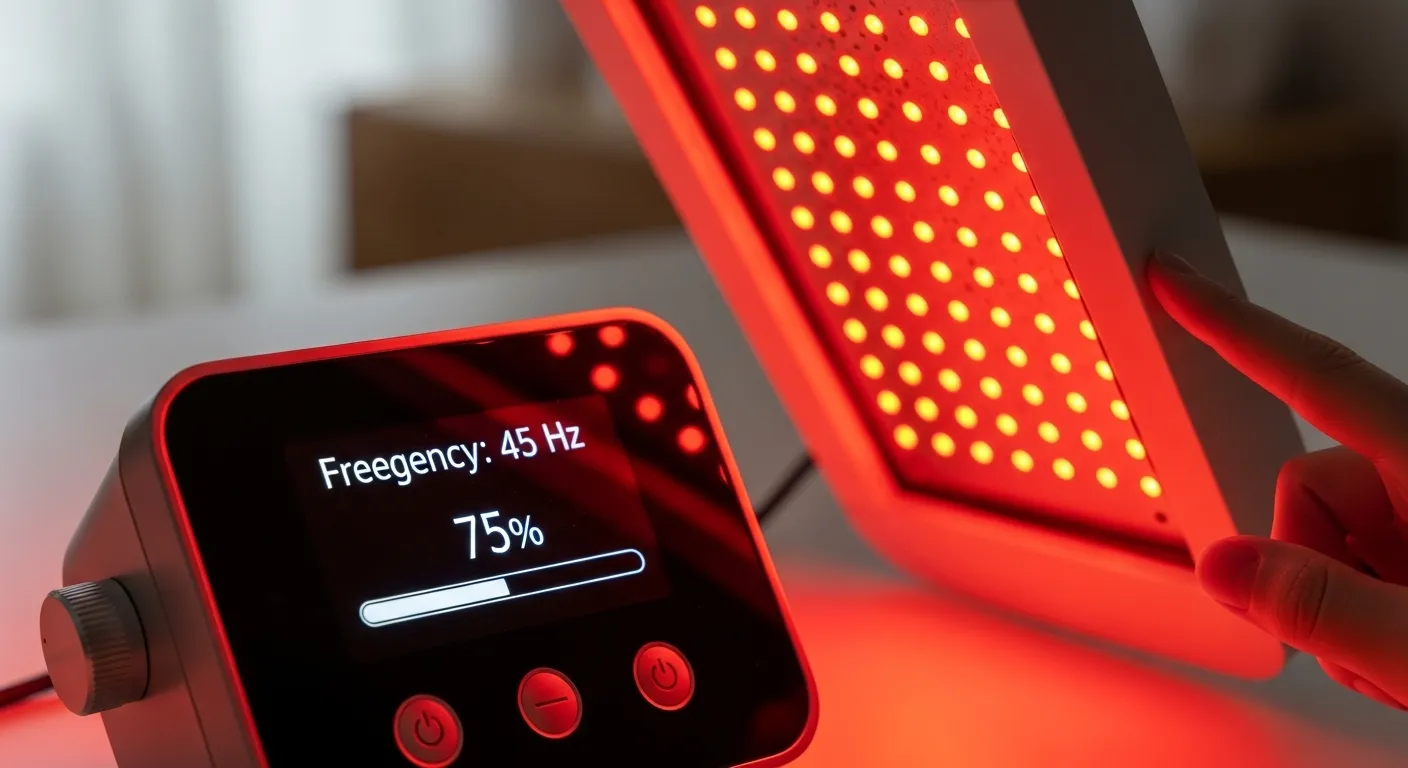
A simple tracking system helps you spot subtle improvements you might miss otherwise. You should take baseline photos with consistent lighting and angle, then capture new images every few weeks. A basic journal helps note changes in pain levels, skin texture, or sleep quality. The best way to measure objectively is to use a 1-10 numeric scale for specific symptoms.
At what point to adjust session time
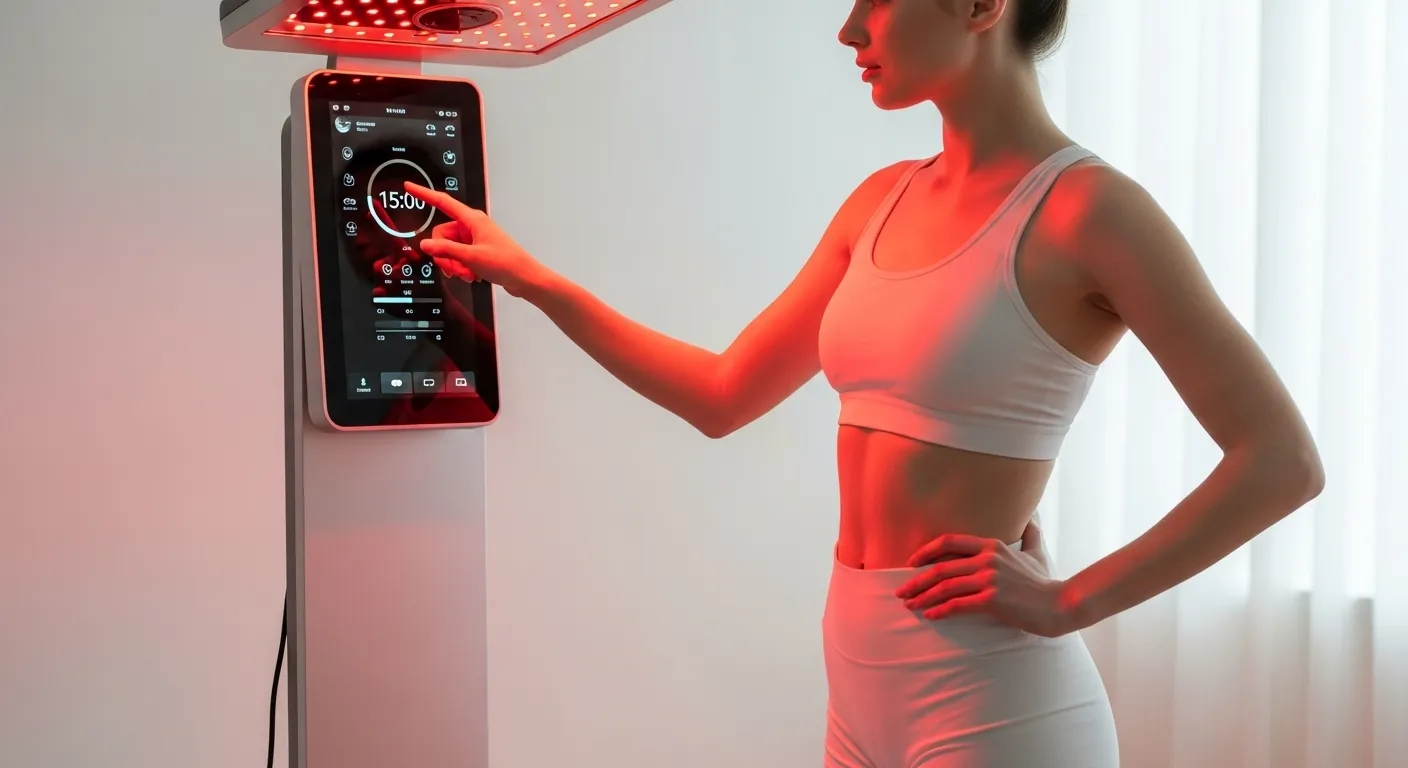
You should modify one variable at a time if progress stops after 4 weeks. You can move 2-4 inches closer to your device, add 2-3 minutes per session, or increase weekly sessions. Your body will tell you to reduce frequency if irritation occurs or benefits decrease.
Making therapy part of your skincare or wellness routine
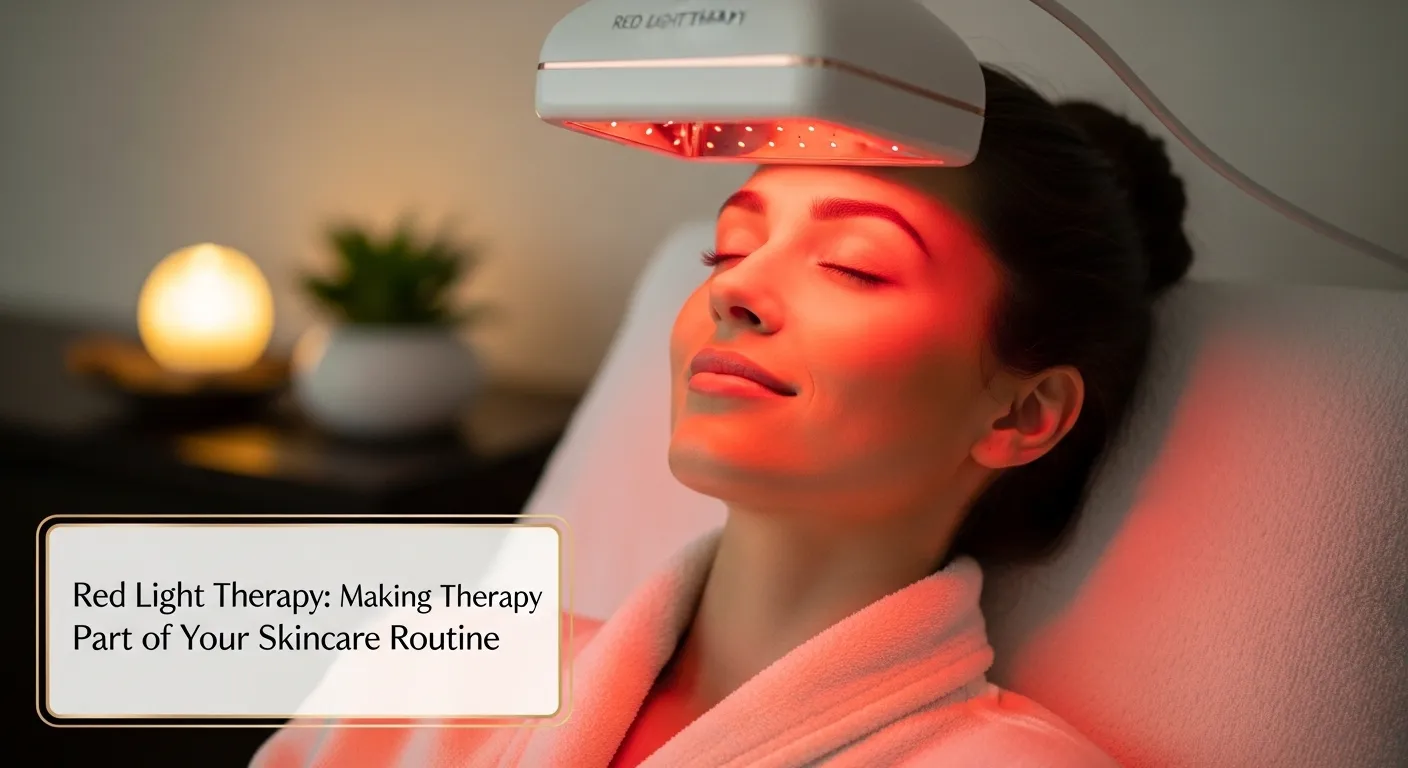
The best way to stay consistent is to pair sessions with existing habits, like after brushing teeth. Morning treatments can boost mental performance and reduce grogginess. Evening sessions might help you sleep better. Your skin absorbs serums with hyaluronic acid or peptides better right after treatment.
Conclusion
Red light therapy offers powerful benefits when used correctly. Wavelengths between 630–850nm promote cellular repair and reduce inflammation. Most people see results with 3–5 weekly sessions of 10–20 minutes. Choose a quality device with proper wavelength and stand 6–12 inches away to avoid overexposure. Consistency matters more than intensity, track your progress and adjust as needed, since improvements often appear gradually over several weeks. you can read our comparison guide about Vibration Platform: My 60-Day Test Results (2025) also.