Radiofrequency Skin Tightening: Safe & Effective Results
Here’s a surprising fact: over 188,000 Americans got some type of skin tightening procedure in 2020. Radiofrequency skin tightening has become a popular nonsurgical option for people who want firmer skin without surgery.
The medical community has used this innovative treatment since 2001 to curb aging signs and bring back skin’s firmness. Research results look impressive – one study found that 96% of people who went through radiofrequency therapy sessions saw clear improvements in their body shape. The results look even better when you look at facial treatments. A study showed that three radiofrequency facial treatments over six weeks substantially reduced middle-aged women’s wrinkles around their eyes. Read this guide if you want to know how Tens Therapy work.
People love radiofrequency treatment because it’s convenient and comfortable. You can complete the procedure in under an hour and it should be virtually painless, though you’ll need to budget around $2,000. The results speak for themselves – clinical studies have documented 70-75% improvements in skin tightening and 90-95% patient satisfaction three months after treatment.
This piece will get into what medical research reveals about radiofrequency skin tightening. We’ll explore how the technology works, its proven benefits, and important safety information you should know before you think about this increasingly popular cosmetic procedure.
How Radiofrequency Skin Tightening Works
Radiofrequency skin tightening delivers electromagnetic energy that turns into heat within skin tissues. The RF device creates an electric current instead of light, which makes it work well for all skin types whatever their melanin content.
How Heat Is Generated
The RF energy creates rapid movements of charged particles, about 6 million times per second. These movements generate high-frequency electrical currents that meet the skin’s natural resistance. The skin’s resistance converts this energy into volumetric heating that reaches deep into the dermis without harming the epidermis.
Targeted Dermal Heating
The controlled heating pushes dermal temperatures between 122-167°F (50-75°C), which triggers two different responses. Heat breaks intramolecular hydrogen bonds in collagen fibrils, causing immediate collagen contraction. The thermal stimulation then kicks off neocollagenesis, new collagen production, and remodeling continues over several weeks and months.
Research and Results
Research shows that skin managed to keep temperatures of 43-45°C for 10-15 minutes helps fibroblast growth without damaging the epidermis. The skin’s collagen density and thickness improve after treatment. One study found that collagen band thickness jumped from 9.8μm before treatment to 15.6μm three months later.
Visible Benefits
The skin’s improved appearance, firmness, and elasticity ended up coming from both immediate tightening effects and long-term collagen regeneration.
What Medical Studies Reveal About Effectiveness
Research shows that radiofrequency skin tightening delivers impressive results. Clinical studies have documented clear improvements in facial skin quality after patients receive this treatment.

Measured Improvements Over Time
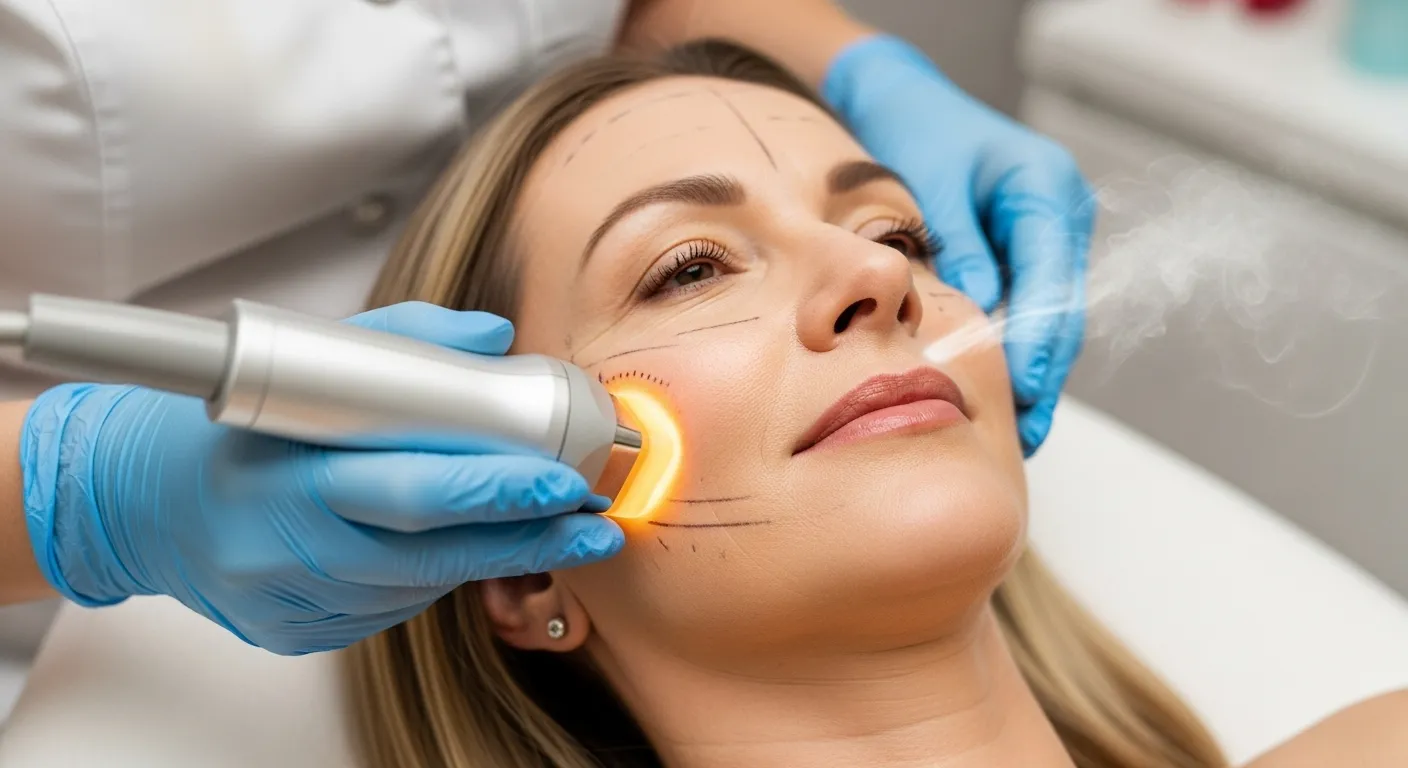
The results are remarkable. Right after treatment, patients show 35-40% improvement in skin tightening. These results get even better three months later, with tightening improvements reaching 70-75%. Skin texture shows similar progress, improving from 30-35% right after treatment to 65-70% at three months.
Reduction in Wrinkles
Wrinkles respond well too. Patients see 40-45% reduction right after treatment, and this jumps to an amazing 90-95% improvement three months later. Patient satisfaction matches these results, starting at 85-90% and climbing to 90-95% after three months.
Microscopic Skin Changes
Looking at skin samples under a microscope reveals why these improvements happen. The skin’s epidermal layer thickens from 62.7μm before treatment to 67μm right after, and grows to 79.5μm three months later. Collagen production also rises sharply, with type I collagen increasing from 65.8% before treatment to 81.2% three months later.

Long-Term Effects
These changes explain why patients keep seeing better results over time. A study of monopolar radiofrequency shows skin tightening benefits last 24 weeks, and some patients report effects lasting one to three years with good skin care.
Age-Related Effectiveness
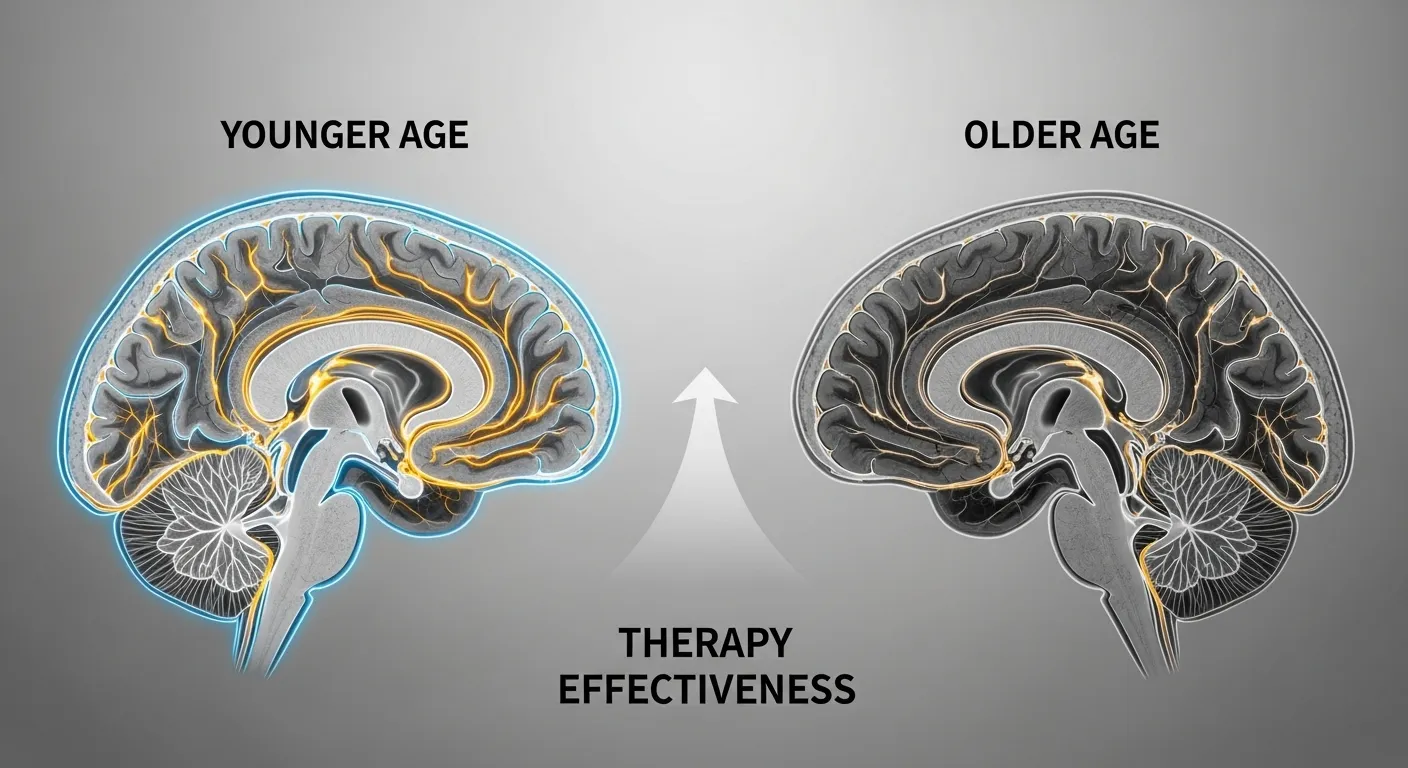
The treatment works differently for various age groups. Research shows better results in younger patients who show early signs of aging. The treatment is not as effective on skin that sags severely.
Safety, Side Effects, and Best Practices
Safety should be your top priority if you’re thinking about radiofrequency skin tightening treatments. The FDA gave its approval for monopolar RF as a non-ablative wrinkle treatment in 2002 and later approved it for full-face use in 2004.
Common Side Effects
Most patients notice mild side effects that go away quickly. Redness, swelling, and tenderness usually clear up within 24 hours. These reactions are common, but more serious issues can happen if the treatment isn’t done properly. Burns pose the biggest risk when practitioners don’t apply RF energy correctly.
Considerations for Skin Tone
People with darker skin tones have a higher chance of experiencing side effects from RF treatments. The procedure stays safe for all skin types when performed the right way.
Professional vs. Home Devices
Qualified professionals must perform these treatments using FDA-approved devices. You can find home devices on the market, but they use lower energy levels. This makes them safer yet they might not work as well.
Who Should Avoid RF Treatments
RF treatments aren’t safe if you have pacemakers, certain implants, skin cancer history, recent Botox injections, or specific medical conditions. Pregnant women should also avoid these treatments.
Cancer Risk and RF Waves
The World Health Organization classifies RF waves as potentially carcinogenic. However, research hasn’t found any connection between RF treatments and cancer in humans. The very low RF waves used in cosmetic procedures don’t seem to increase cancer risk.
Conclusion
Radiofrequency skin tightening is a proven, non-surgical way to rejuvenate skin. It heats the dermis to trigger collagen contraction and boost long-term collagen production. Studies show 70–75% improvement in skin tightening and up to 95% wrinkle reduction after three months.
Patients report high satisfaction, especially those with early aging signs. Mild redness or swelling fades within a day when done by certified professionals using FDA-approved devices. You can read about Therapeutic Ultrasound here.
RF treatments safely bridge the gap between creams and surgery, offering lasting, science-backed results for the right candidates.