
Photodynamic Therapy Shows 90% Success in Skin Cancer
Photodynamic therapy has transformed skin cancer treatment. The success rates reach 90% after just two sessions. This gentle treatment approach has caught medical experts’ attention over the last several years because it targets cancer cells precisely without harming healthy tissue.
The evidence supporting photodynamic treatment shows impressive results. Phase III studies of MAL-PDT demonstrate complete response rates of about 90% after two treatment sessions. Studies of ALA-PDT reveal similar success, with a 3-month clearance rate of 91%. About 89% of patients see at least 75% of their lesions resolve. The FDA has approved photodynamic therapy to treat several skin conditions like actinic keratosis, basal cell skin cancer, and squamous cell skin cancer (Stage 0). Let’s learn about this treatment’s mechanism, see the before and after results, and look at the clinical evidence behind these high success rates.
How Photodynamic Therapy Works on Skin Cancer
PDT works on a fundamental principle that combines three essential components: a photosensitizing agent, specific wavelength light, and molecular oxygen. PDT stands apart from regular treatments because it uses a unique two-step process to target and destroy cancer cells.
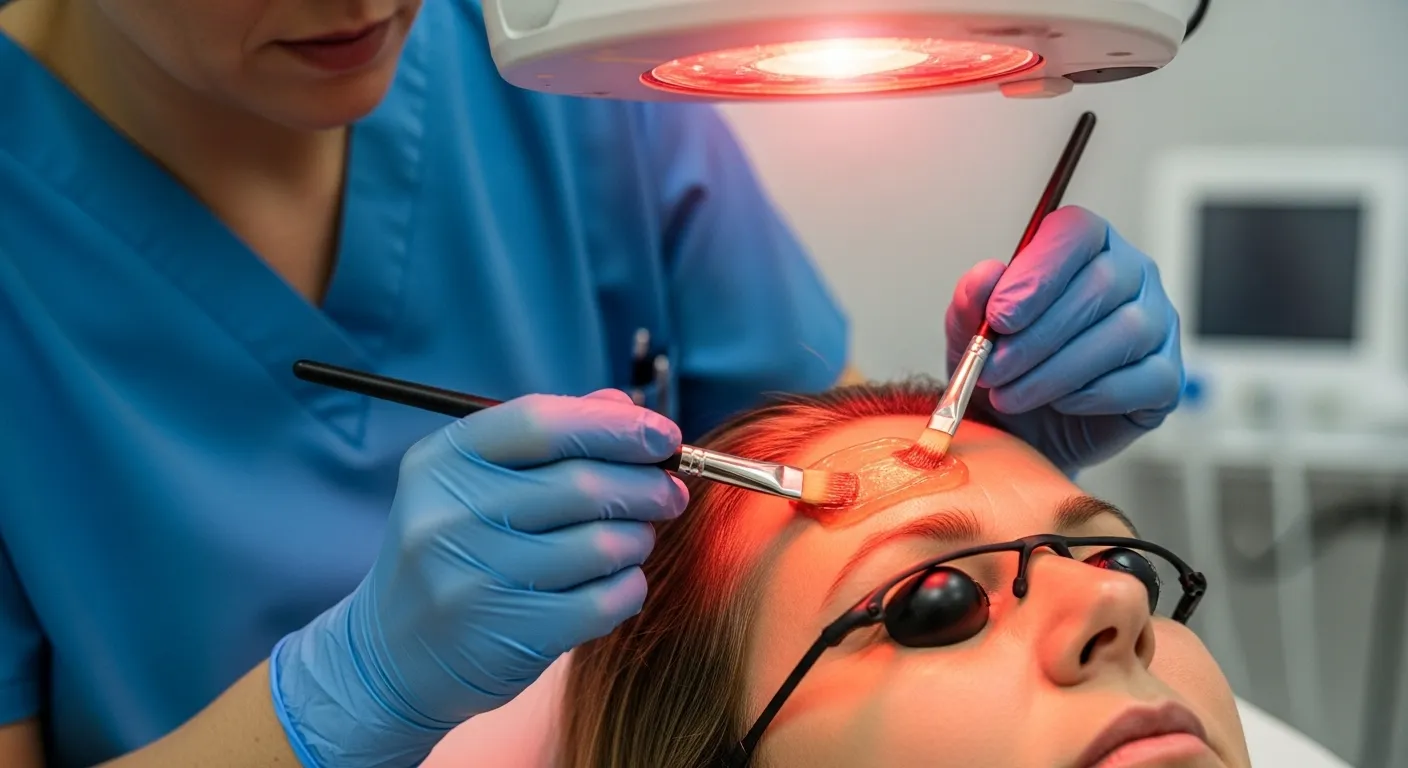
Applying the Photosensitizing Agent
The process starts when doctors apply a photosensitizing drug to the affected skin area – usually 5-aminolevulinic acid (5-ALA) or methyl aminolevulinate (MAL). These agents sink into the skin and build up in faster dividing cancer cells. The photosensitizer needs 3 to 18 hours to concentrate in abnormal cells and clear out from healthy tissue around it.
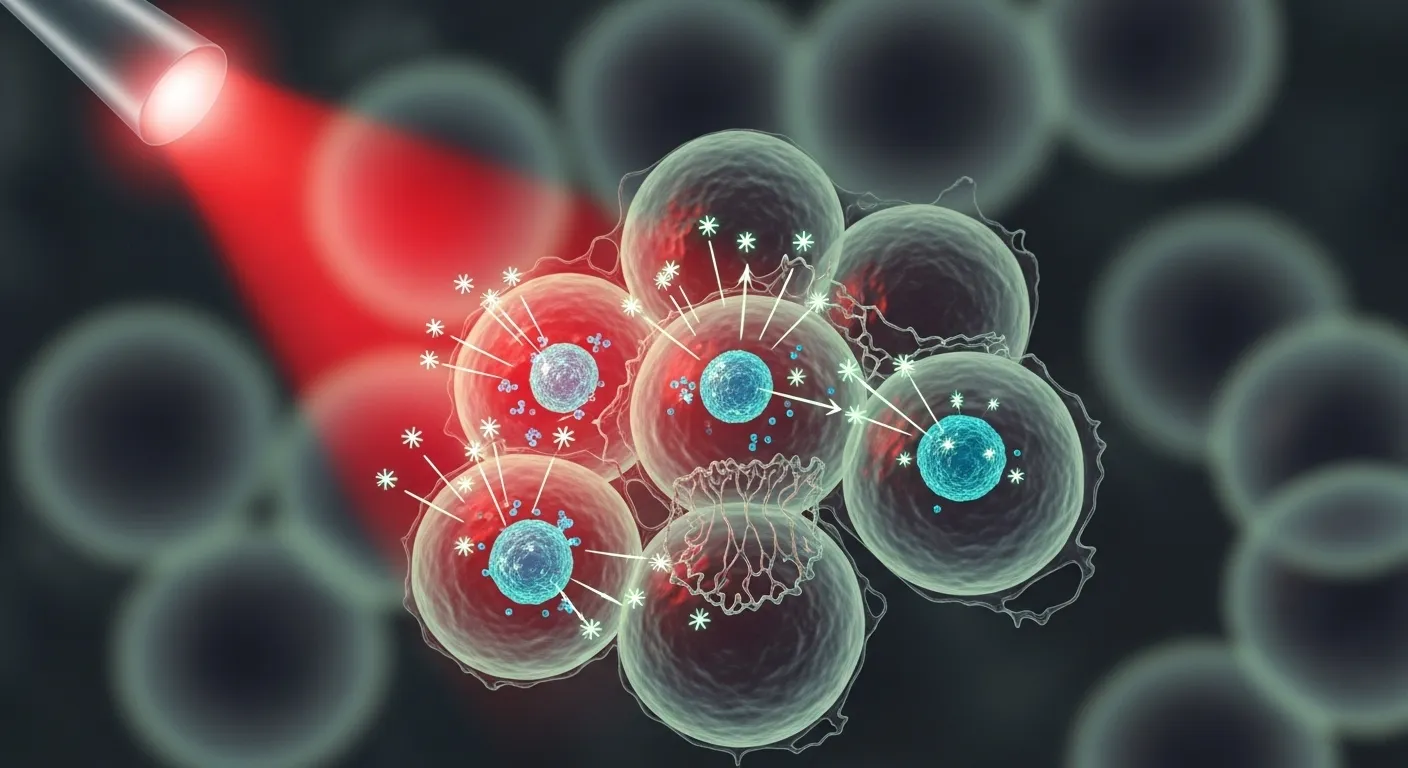
Light Activation and Photochemical Reaction
The next step exposes the area to a specific wavelength of light, typically red or blue, which activates the photosensitizer. This activation sets off a photochemical reaction when oxygen is present, and we created reactive oxygen species (ROS), especially singlet oxygen.
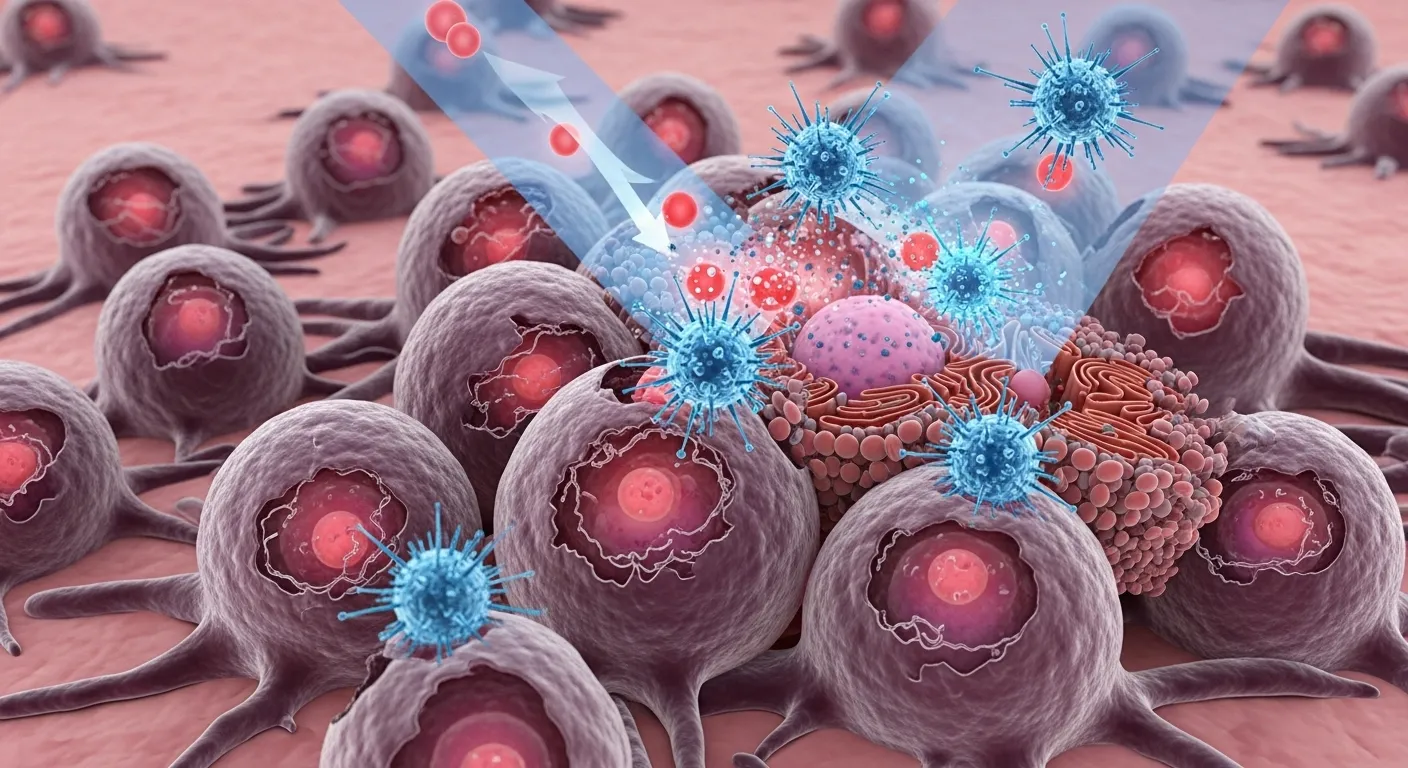
How ROS Destroy Cancer Cells
The ROS attack cancer cells in three different ways: they directly poison tumor cells, permanently damage tumor blood vessels to cut off blood supply, and trigger inflammatory immune responses. This creates targeted oxidative stress that breaks down cell membranes and organelles, which leads to cell death through apoptosis or necrosis.
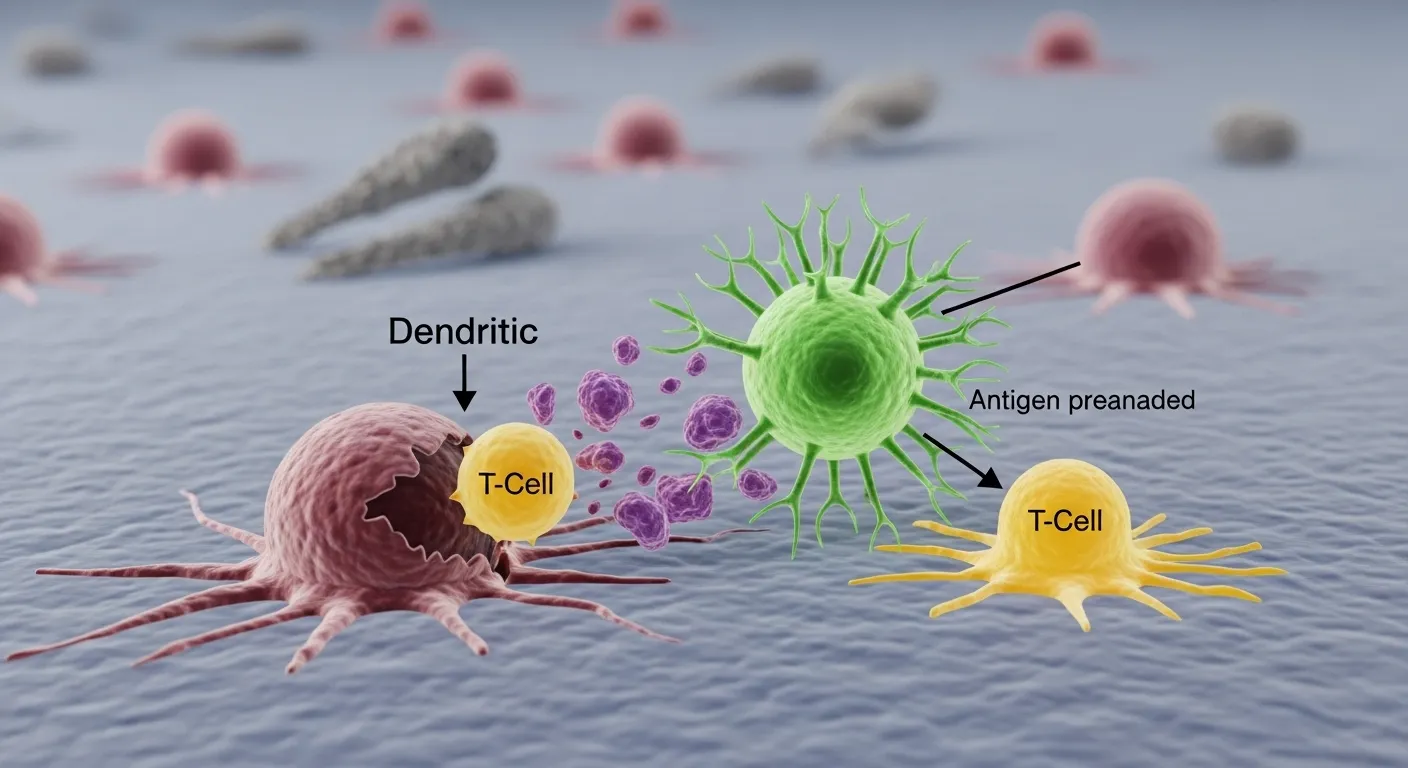
Boosting the Immune Response
The treatment’s effectiveness against cancer might even improve because PDT can trigger the body’s immune system to fight tumor cells.
Comparing PDT with Other Skin Cancer Treatments
PDT offers clear advantages compared to conventional approaches at the time we think about treatment options for skin cancer. Studies show that PDT matches the effectiveness of surgery and radiation therapy for certain cancers, and with good reason too. Vibration Platform: My 60-Day Test Results (2025) is very good guiding.

Fewer Complications and Faster Recovery
PDT results in fewer long-term complications than traditional treatments. The procedure works quickly as an outpatient treatment with precise targeting and minimal invasion. Unlike radiation, doctors can perform multiple PDT treatments at the same site if needed.

Limitations of Photodynamic Therapy
Notwithstanding that, PDT comes with notable limitations. Light penetration requirements mean we treated mainly skin-surface cancers rather than deep or widespread malignancies. Patients with certain blood disorders cannot use this treatment.
Comparing PDT Results with Other Methods
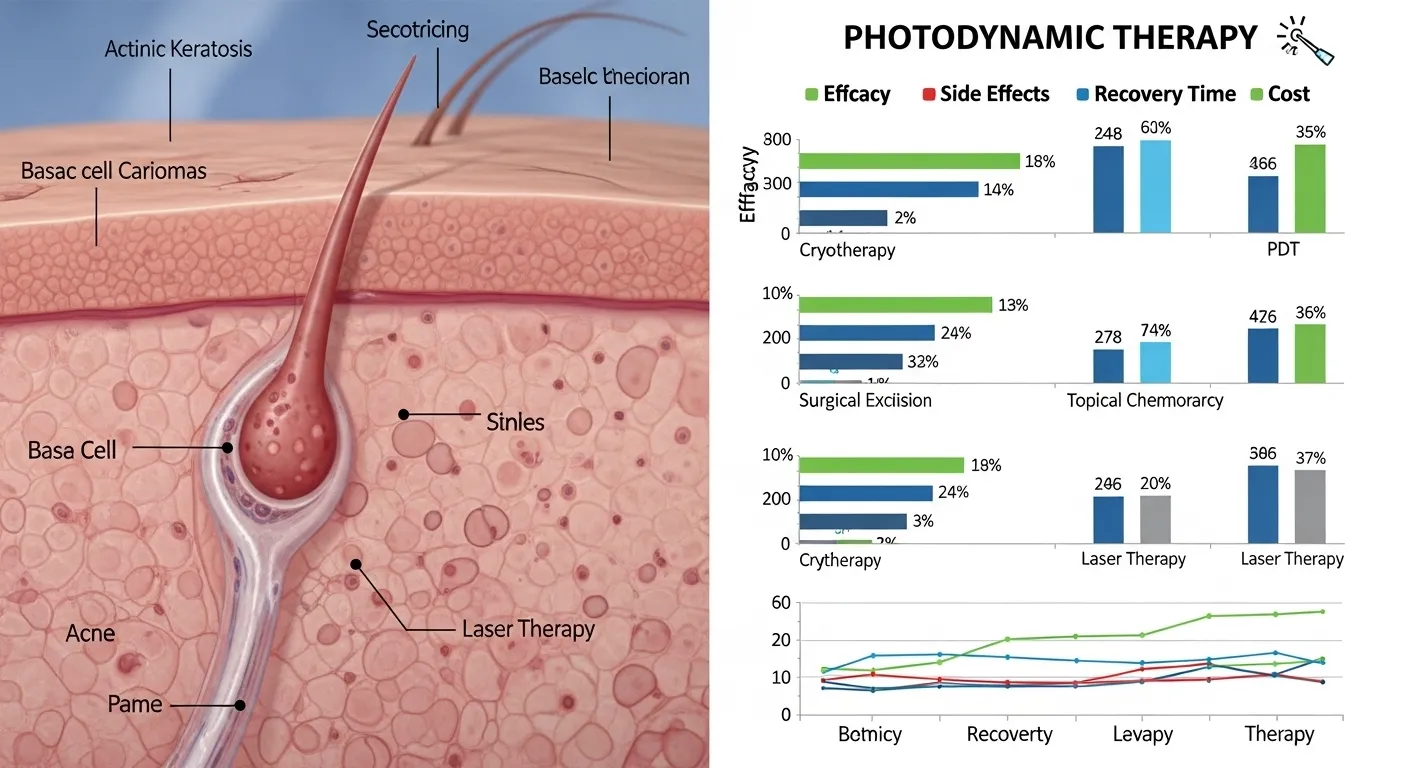
Research proves PDT has a 14% better chance of complete lesion clearance than cryotherapy three months after treatment. The sustained clearance rates at one year fall nowhere near surgical results (RR 0.61) and show higher recurrence rates.
Superior Cosmetic Outcomes
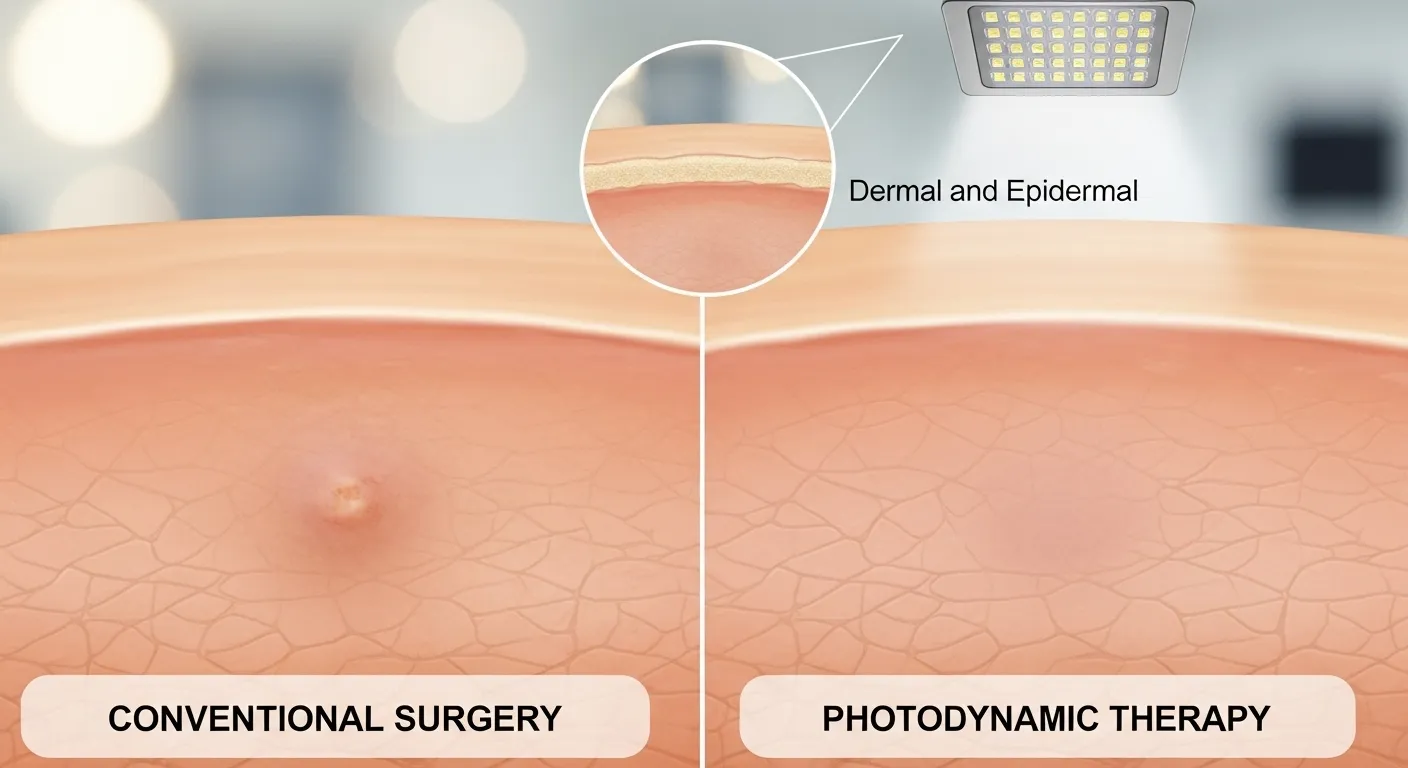
PDT consistently beats other treatments in cosmetic outcomes, especially when compared to surgery and cryotherapy. These esthetic benefits are a great way to get results in visible areas where appearance matters as much as treatment success.
Clinical Trial Evidence Behind the 90% Success Rate
Clinical studies show impressive success rates for photodynamic therapy in skin cancer treatment. Phase III studies provide the most reliable evidence, with complete response rates reaching about 90% after two MAL-PDT treatment sessions. Studies pooling ALA-PDT data revealed a 91% clearance rate after three months.
Long-Term Outcomes and Recurrence Rates
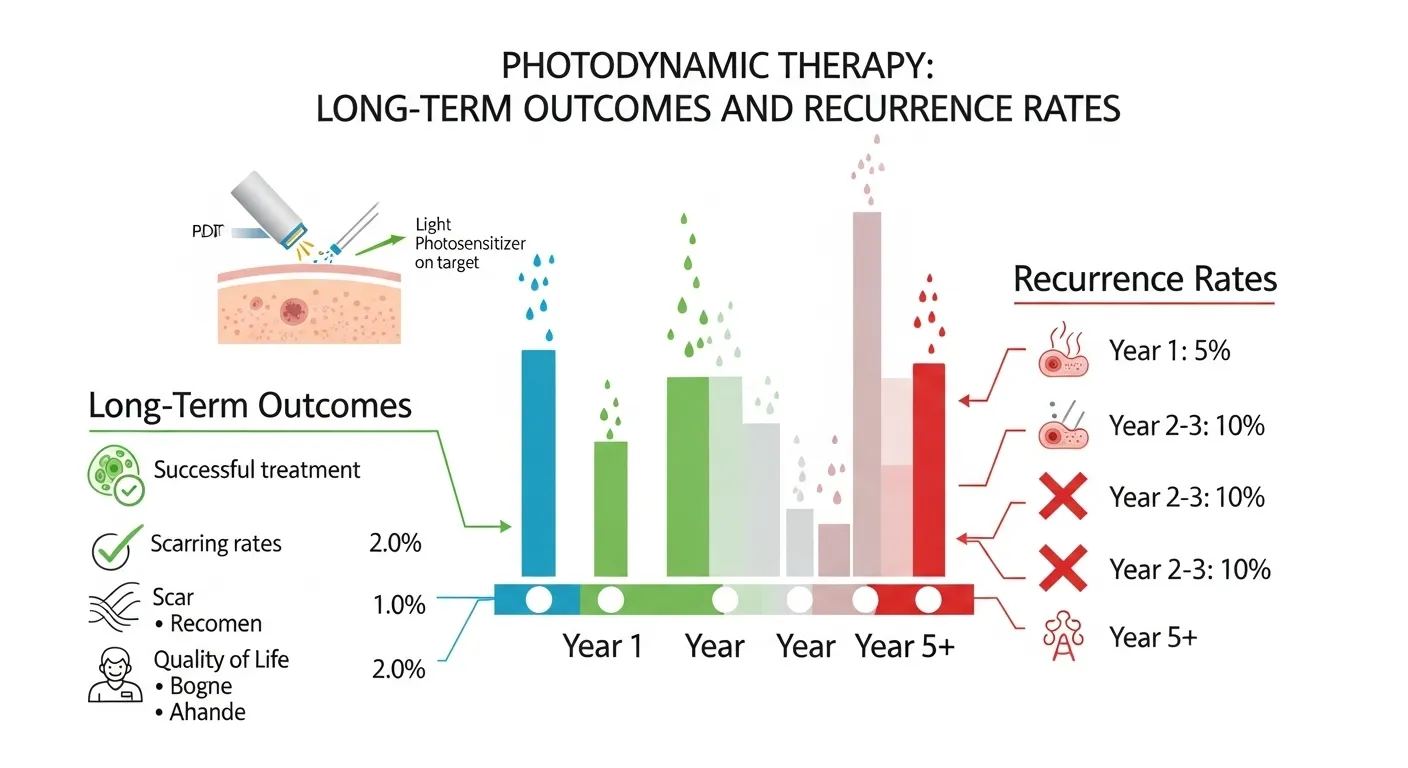
Long-term outcomes remain positive but don’t quite match the short-term results. A study that tracked patients for 10 years showed 70% tumor-free survival for superficial BCC. Previously untreated nodular BCC managed to keep a 78% survival rate at the 5-year mark.
Factors Influencing Success
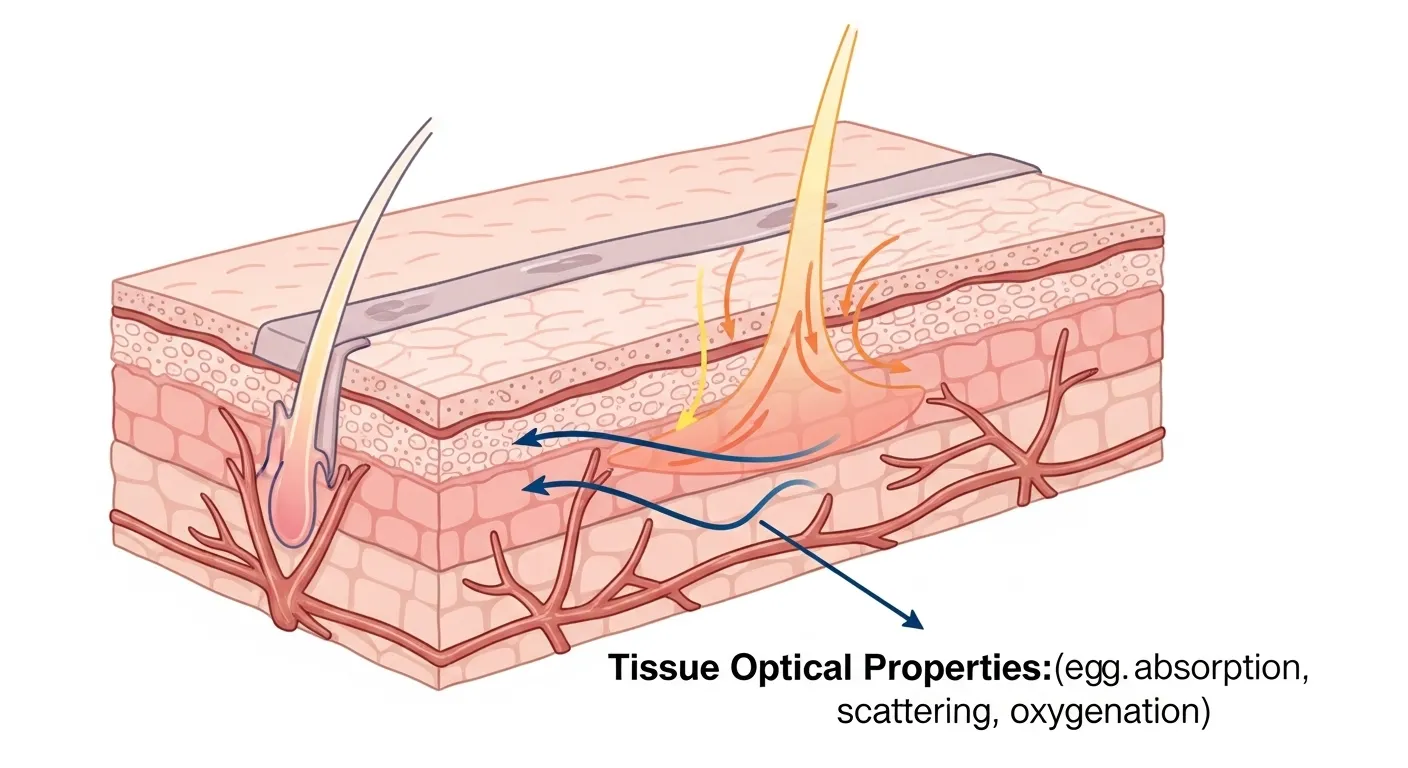
Success rates depend on tumor type, thickness, and the patient’s age. Research shows that patients over 65 years and tumors thicker than 2mm substantially increase the risk of recurrence. Cancer type also affects PDT’s effectiveness – BCC responds better than squamous cell carcinoma (SCC), with complete response rates of 86% versus 54%.
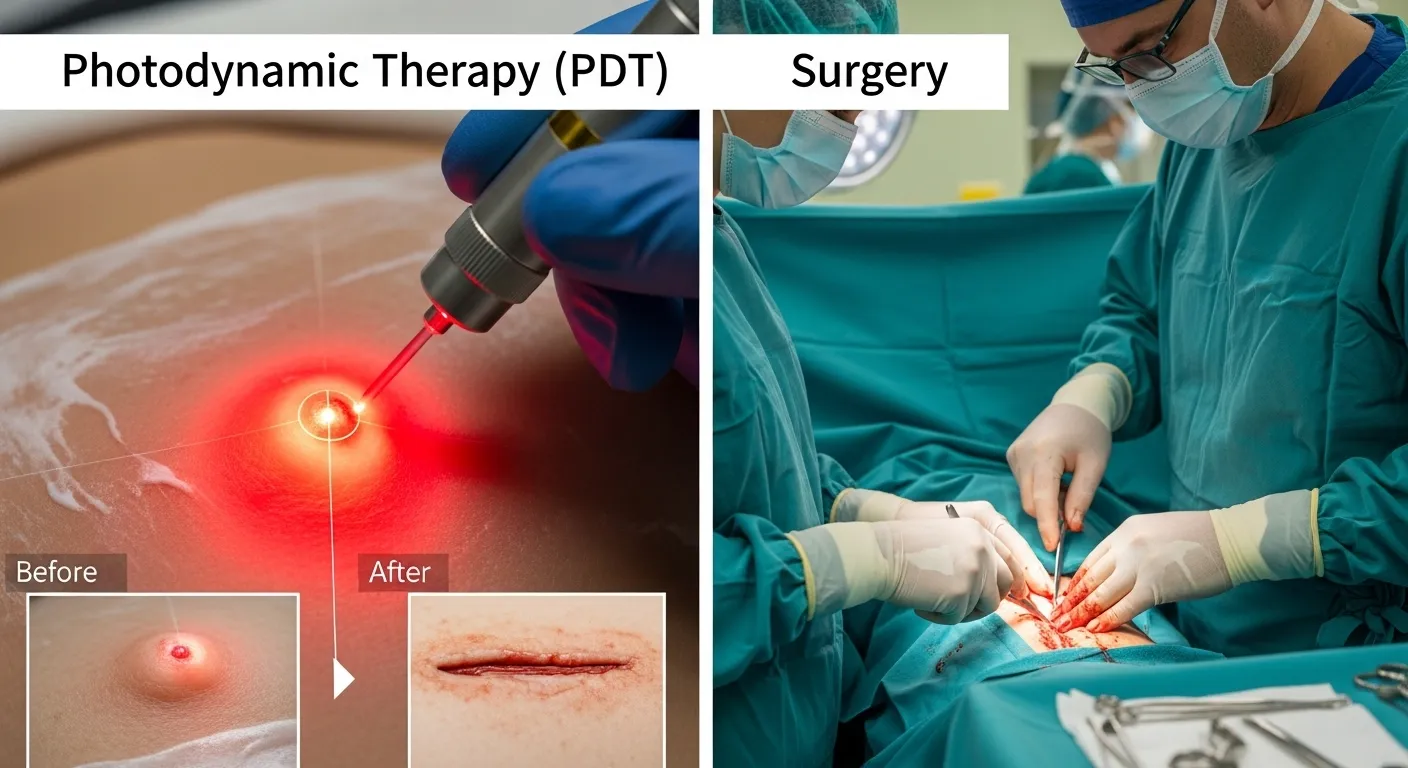
Comparison with Surgery
Surgery yields better long-term clearance than PDT, but patients consistently rate PDT higher for cosmetic appearance. This makes PDT especially valuable when treating visible areas where looks matter as much as treatment effectiveness.
Conclusion
Photodynamic therapy marks a breakthrough in skin cancer treatment, offering an effective alternative to traditional methods. PDT combines photosensitizing agents, light, and oxygen to achieve remarkable results while protecting healthy tissue, showing a 90% success rate after two sessions. you can read our comparison guide about What Does a Hyperbaric Chamber Do? Doctor’s Guide also.
Though best for surface-level cancers, PDT delivers outstanding cosmetic results and can be safely repeated. Ongoing research and improved techniques continue to expand its role, balancing effectiveness, comfort, and esthetic outcomes.