
Ozone Therapy Benefits: Expert Insights 2025
The medical community has debated Ozone Therapy benefits over the last several years, leaving many people confused about separating facts from fiction. Medical practitioners have used this treatment since the 1800s and claim it helps with all but one of these 114 diseases. However, the FDA raised serious concerns and warned against its use in 2019.
Understanding ozone therapy means balancing bold claims against scientific evidence. Research shows limited proof that ozone treatments work. Some studies point to its usefulness with musculoskeletal problems like fractures, osteoarthritis, and chronic pain syndromes. Health officials caution that ozone can harm your lungs and throat, even in small amounts. This piece will get into the claimed benefits of both regular and IV ozone therapy, along with medical experts’ current views on this debated treatment in 2025.
What Is Ozone Therapy and How Is It Used?
Medical practitioners use ozone therapy, which uses medical-grade ozone gas, a molecule with three oxygen atoms (O3), as a therapeutic treatment. This alternative medical practice has sparked debates for over a century. Practitioners believe it fights disease by boosting the body’s oxygen levels.

How Medical Ozone Is Produced
The production of medical ozone needs at least 99.5% pure oxygen and specialized generators. The therapy demands precise handling since ozone’s high reactivity can make it dangerous if not used correctly.
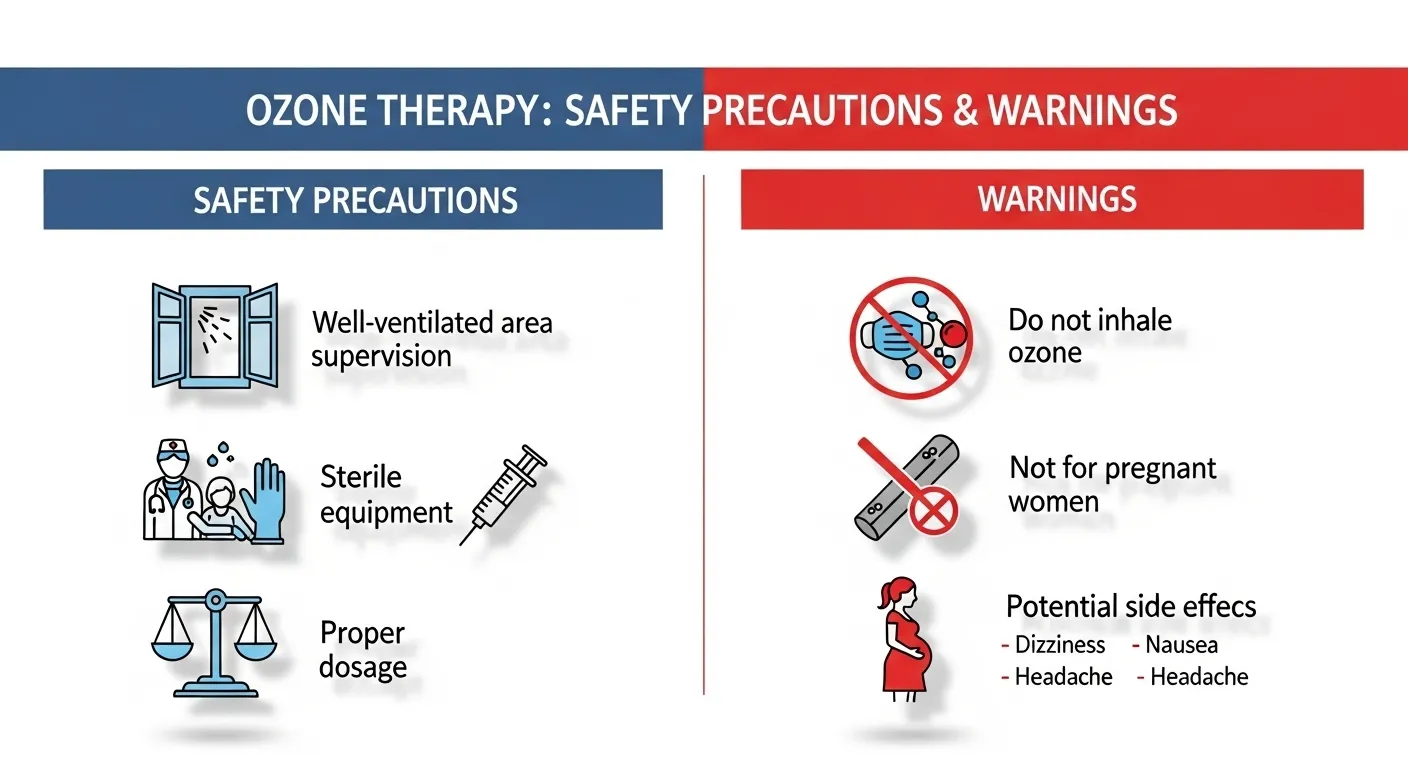
Safety Precautions and Warnings
Patients should never inhale ozone directly because it can severely damage their lungs. Medical professionals rely on several safer methods instead.
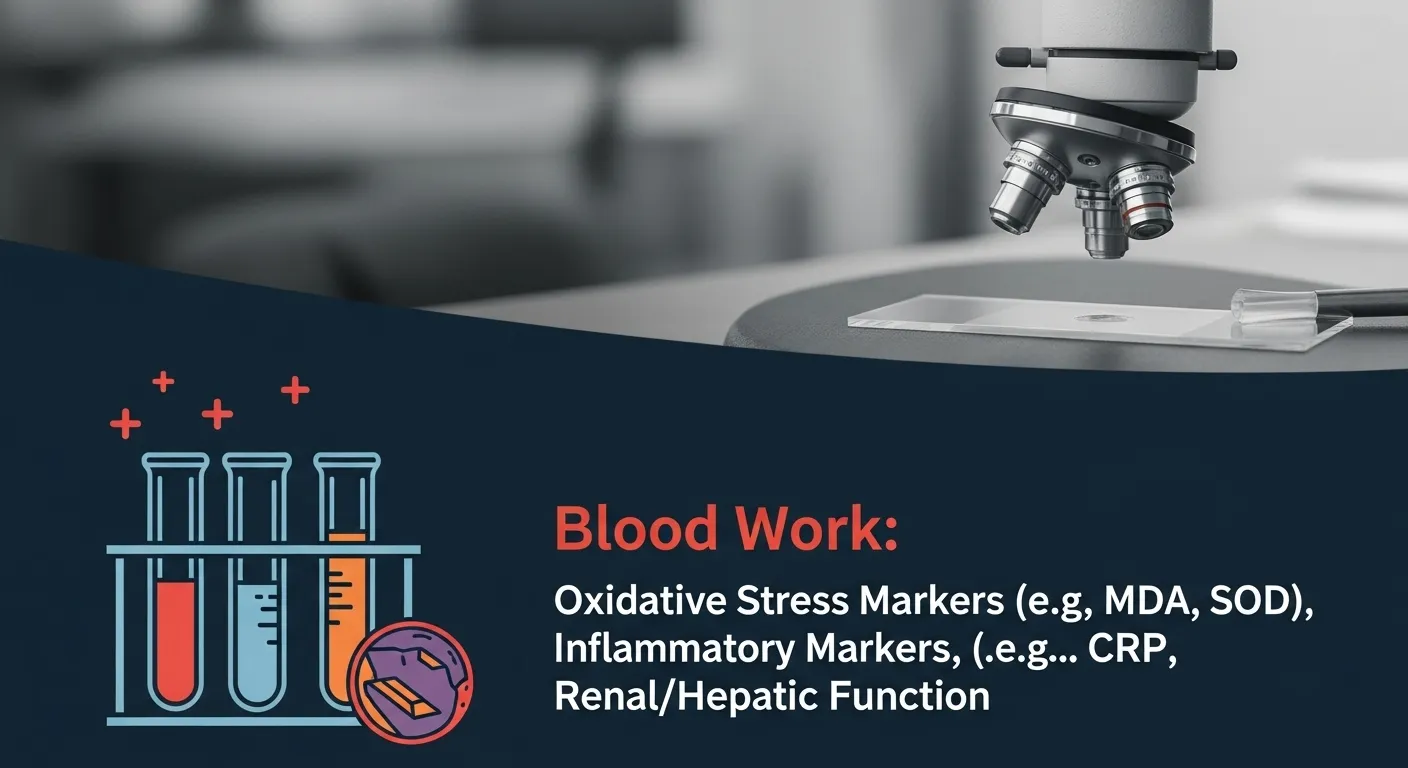
Dosage and Monitoring
Medical professionals use ozone concentrations between 5–80 micrograms/ml in oxygen. The dosage and administration method need careful monitoring because incorrect use can result in serious side effects.
Top 5 Benefits of Ozone Therapy According to Experts
Medical research has uncovered several benefits of ozone therapy that stem from its unique biochemical properties. Studies show this treatment works through controlled oxidative stress and triggers beneficial responses in cells.
Powerful Anti-Inflammatory Effects
Powerful anti-inflammatory effects are the most well-documented benefits of ozone therapy. The treatment reduces pro-inflammatory cytokines like IL-6 and TNF-α while boosting anti-inflammatory IL-10. These properties make it valuable to patients with rheumatoid arthritis and osteoarthritis.
Enhanced Immune Function
Enhanced immune function happens when ozone adjusts macrophages’ phagocytic activity, which provides first-line defense against pathogens. It also activates immune cells and stimulates interferon production.
Improved Circulation and Oxygen Delivery
Improved circulation and oxygen delivery is another significant benefit. The therapy helps red blood cells become more flexible and release oxygen to tissues better. This proves especially helpful for patients with ischemic disorders.
Antimicrobial Properties
Antimicrobial properties help ozone fight bacteria, viruses, and fungi. The treatment’s oxidative properties break down bacterial cell membranes, which shows promise for treating resistant infections.
Accelerated Wound Healing
Accelerated wound healing occurs because ozone stimulates growth factors like VEGF, TGF-β, and PDGF. This speeds up tissue repair, boosts epithelialization, and helps form collagen.
Risks, Side Effects, and What Doctors Warn About
Regulatory agencies remain deeply worried about ozone therapy benefits. The FDA has not approved this treatment for any medical condition and calls it potentially harmful without enough evidence to prove it works safely.

Major Health Risks
Ozone therapy brings major health risks. Patients can suffer neurological problems like ischemic infarctions, altered mental status, and ozone-induced encephalopathy. Medical records show several stroke cases after intravenous ozone treatments. The damage to lungs can be severe. Ozone irritates lung tissue and causes inflammation that impairs gas exchange even at low doses.

Heart-Related Dangers
Heart-related dangers include arrhythmias and blood vessel injury. Research links brief exposure to higher heart attack risks. Some patients who get blood reinfusion treatments report feeling nauseated, bloated, and notice metallic tastes.

Dangers of Direct Inhalation
Direct ozone inhalation must be avoided. Even small amounts can trigger coughing, nausea, headaches, and permanent lung damage. Medical experts stress that only trained professionals should administer treatment, as wrong application can kill.

Medical Warnings from Experts
Cleveland Clinic states that “the possible side effects outweigh the potential health benefits” until researchers complete large-scale human trials to establish safety profiles.
Conclusion
Modern medicine stands at a turning point with ozone therapy. Practitioners have used it for over a century, but scientific evidence doesn’t fully support its widespread use. Research shows promising benefits in fighting inflammation, boosting immunity, and killing microbes, suggesting possible roles in osteoarthritis, wound healing, and infection treatment. you can read our comparison guide about How TENS Therapy Works.
The potential benefits must be balanced against serious risks. The FDA warns about nerve, lung, and heart damage, with reports of strokes after intravenous treatments raising safety concerns.
Experts emphasize the need for large-scale human trials to confirm safety. For now, risks outweigh benefits for most patients. Anyone considering ozone therapy should consult a doctor for science-based advice. Future research will reveal whether its claimed benefits truly stand up to scientific testing.