
How TENS Therapy Works: A Science-Based Guide
Electrotherapy provides a drug-free way to manage pain that affects millions worldwide. Transcutaneous electrical nerve stimulation (TENS), the most common form of electrotherapy, uses low-voltage electrical currents to relieve pain by activating peripheral nerves. The sort of thing I love about this technology is the science behind it.
TENS works by making our bodies release natural painkillers called endorphins while blocking pain signals from reaching the brain. These compact electrotherapy machines have evolved with technology advances. They are now more user-friendly and portable – small enough to fit in your pocket. Healthcare providers suggest TENS to treat many conditions. These include osteoarthritis, tendinitis, fibromyalgia, joint pain, back pain, and maybe even labor pain during pregnancy. Hidden Benefits of LLLT Therapy is very guiding for theropy.
Studies show positive outcomes in pain management with proper usage, despite ongoing debates about its effectiveness. Research indicates that TENS works best for chronic pain when patients use it for at least 30 minutes during physical activity. This piece will get into the science behind electrotherapy, look at different types of TENS devices, and help you decide if this approach might help with your pain management needs.
How TENS Stimulates the Nervous System
TENS influences our nervous system’s pain processing through complex neurological mechanisms. The therapy sends mild electrical currents through skin-placed electrodes that target nerve fibers beneath the surface.

Gate Control Theory of Pain
The “Gate Control Theory of Pain” explains TENS’s main mechanism. High-frequency TENS (50-100 Hz) stimulates large-diameter myelinated Aβ nerve fibers. These activated fibers block pain signals from smaller Aδ and C fibers through spinal cord inhibitory interneurons. The stimulation activates inhibitory interneurons in the dorsal horn’s substantia gelatinosa and “closes the gate” to pain signals moving toward the brain.

Low-Frequency TENS and Endogenous Opioids
Low-frequency TENS (2-4 Hz) works differently by stimulating smaller Aδ fibers. This stimulation releases endogenous opioids such as enkephalins and endorphins in the spinal cord. These opioids create analgesic effects at peripheral, spinal, and supraspinal sites.

Burst Mode TENS
Burst mode TENS offers a unique approach by combining both mechanisms. It delivers high-frequency pulses (typically 100 Hz) that break at 2-3 bursts per second. This dual action stimulates both Aβ and Aδ fibers and provides immediate pain relief through the gate mechanism while ensuring longer-lasting benefits through opioid release.
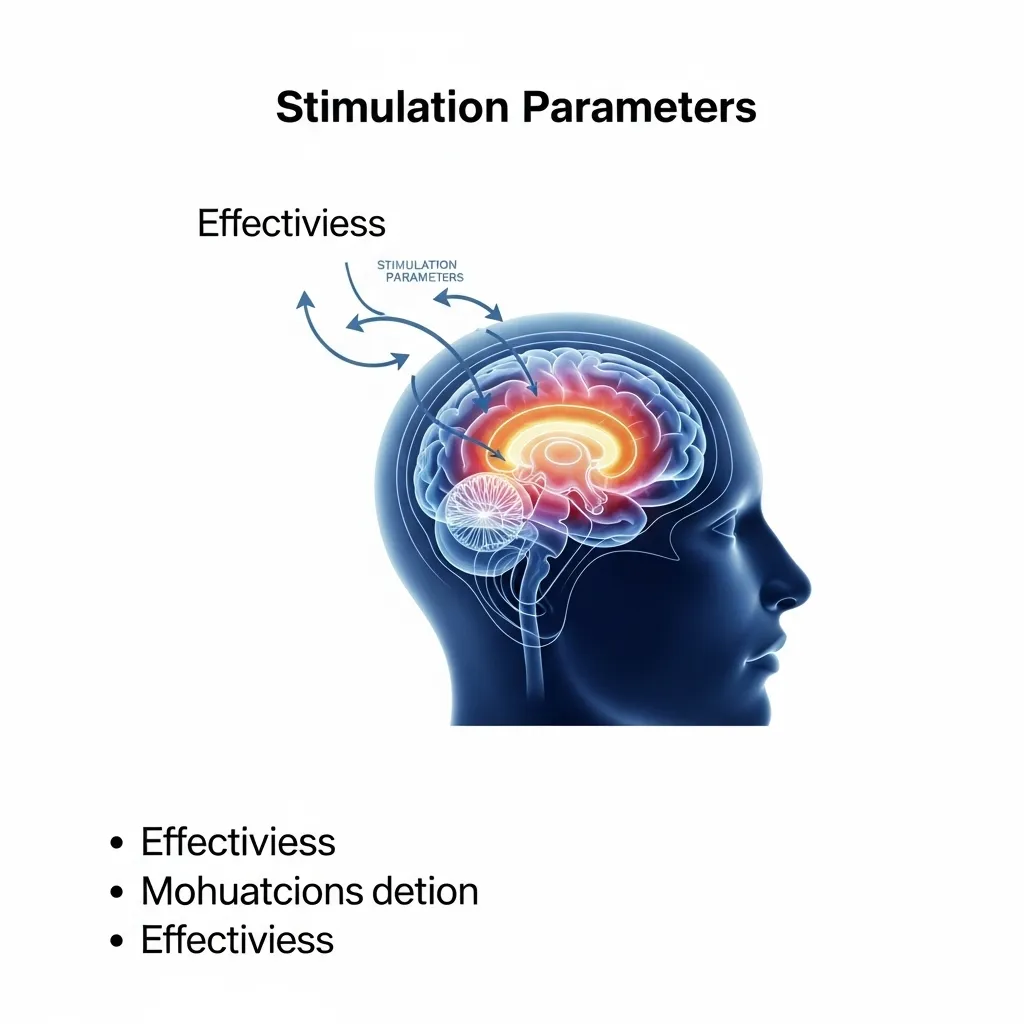
Stimulation Parameters and Effectiveness
Stimulation parameters like pulse amplitude, frequency, and duration determine how well TENS works.
Types of TENS and Their Use Cases
TENS devices come with different stimulation modes that target specific therapeutic needs. Dr. C. Norman Shealy developed the first TENS unit in the 1970s.

Conventional TENS
Conventional TENS employs high frequency (80-130Hz) with low intensity and narrow pulse width (50-200μs). This method triggers large-diameter Aβ fibers that provide quick pain relief with minimal discomfort. Patients with arthritis, fibromyalgia, and nerve injuries benefit from this approach. The treatment needs at least 30 minutes to work.
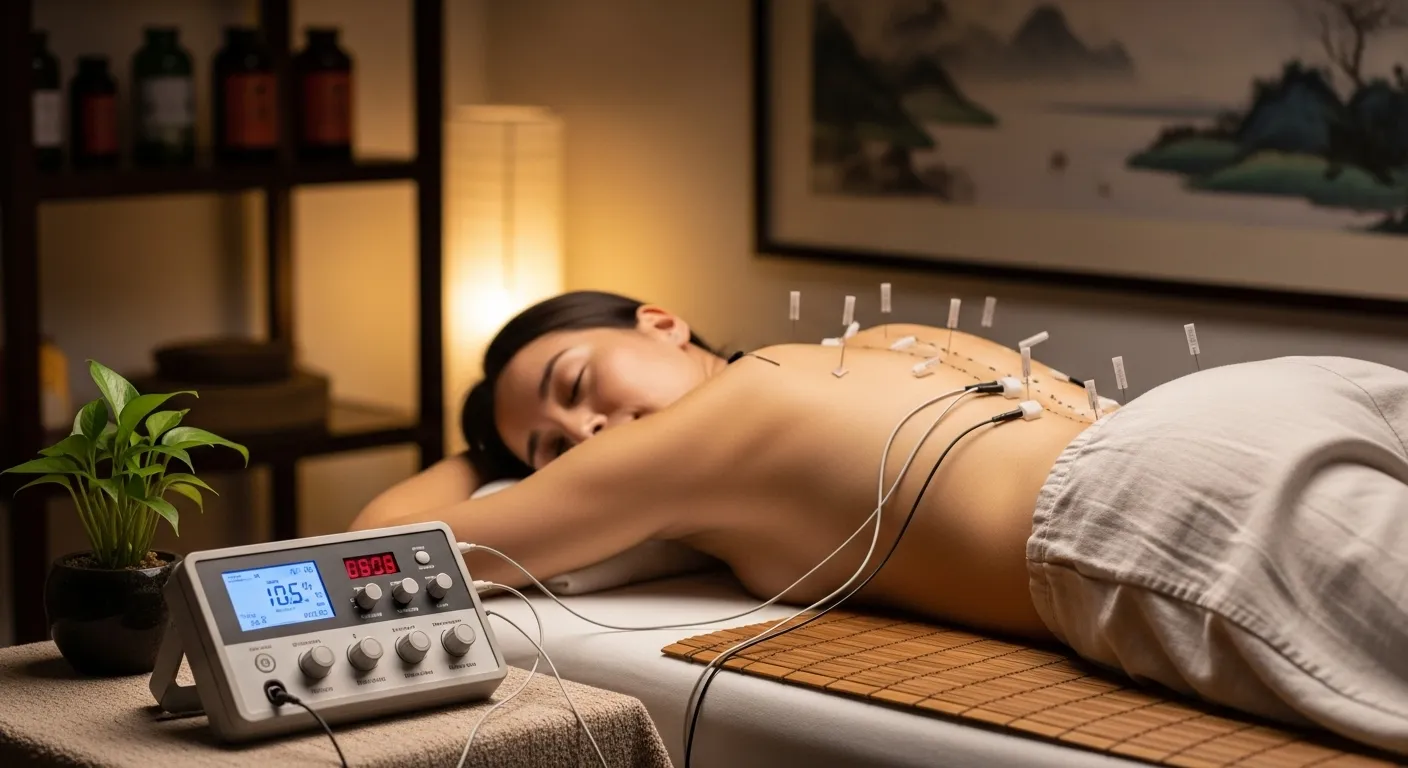
Acupuncture-like TENS
Acupuncture-like TENS uses low frequency (1-4Hz) with higher intensity and wider pulses (200-250μs). The visible muscle contractions activate small-diameter fibers and release endogenous opioids for longer-lasting relief. Patients who don’t respond to conventional TENS often find this mode effective.
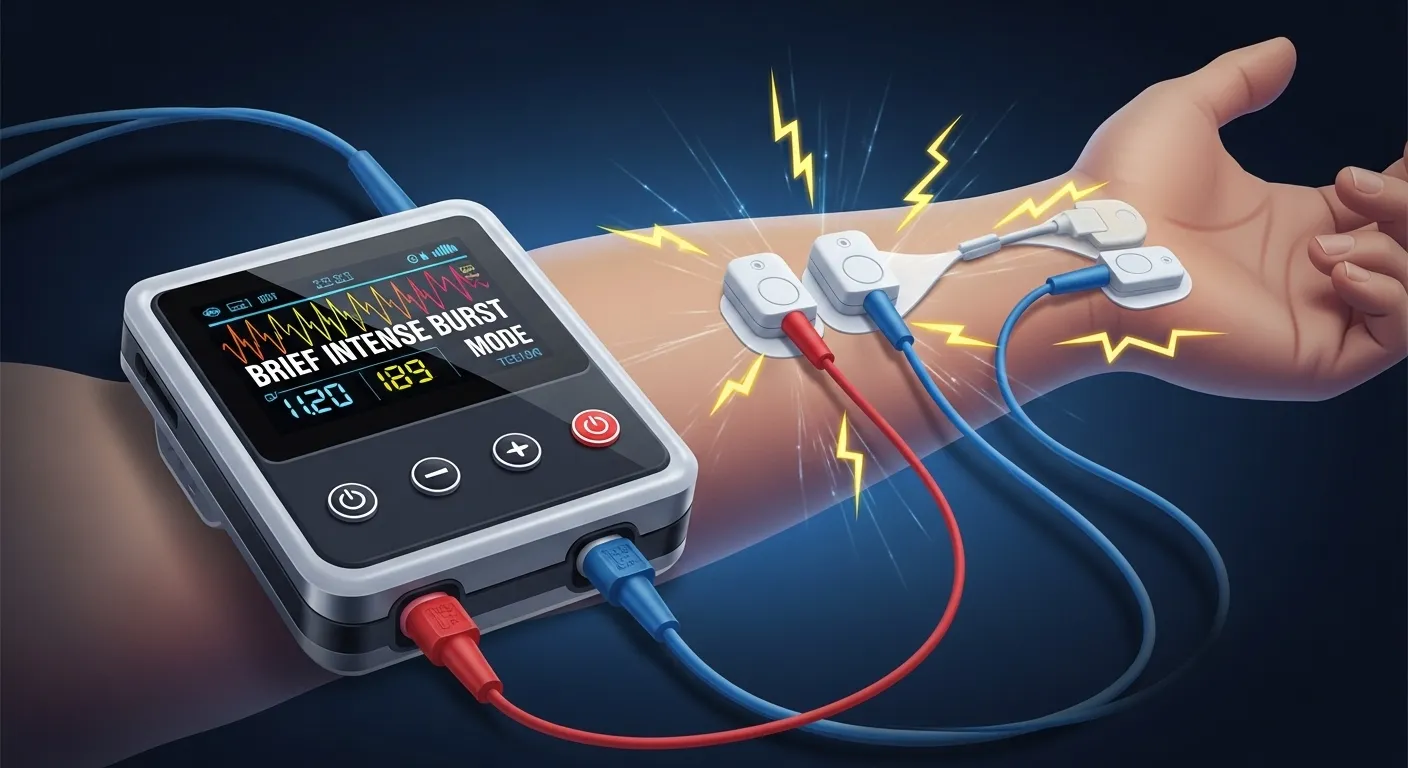
Brief Intense and Burst Mode TENS
Brief Intense TENS pairs high frequency with high intensity to deliver quick pain relief, though some patients consider it too intense. On top of that, Burst Mode TENS delivers high-frequency pulses in 2-3 bursts per second that can trigger both pain gate and opioid mechanisms.
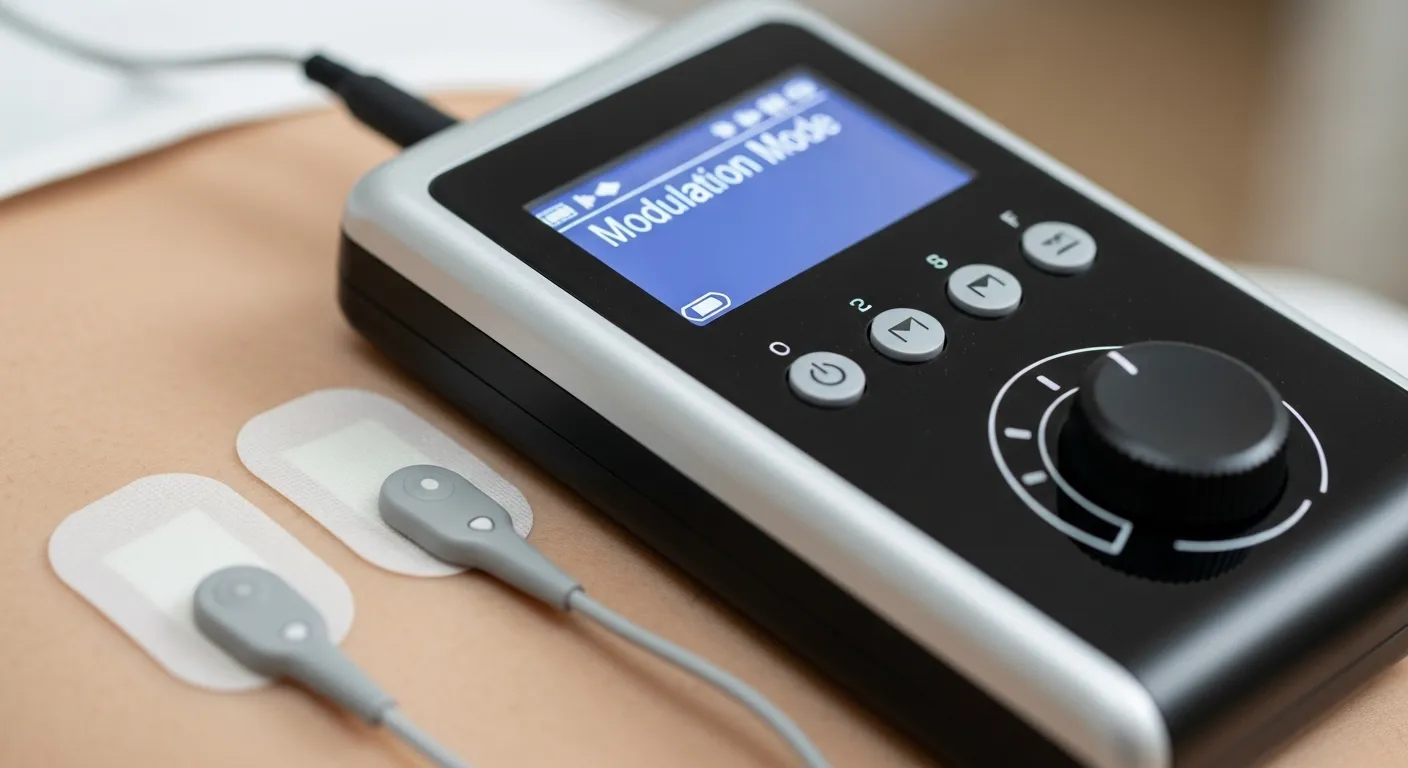
Modulation Mode TENS
Modulation Mode TENS changes stimulation patterns to prevent the body from getting used to the treatment, which makes it a great choice for long-term use.
Electrode Placement and Use
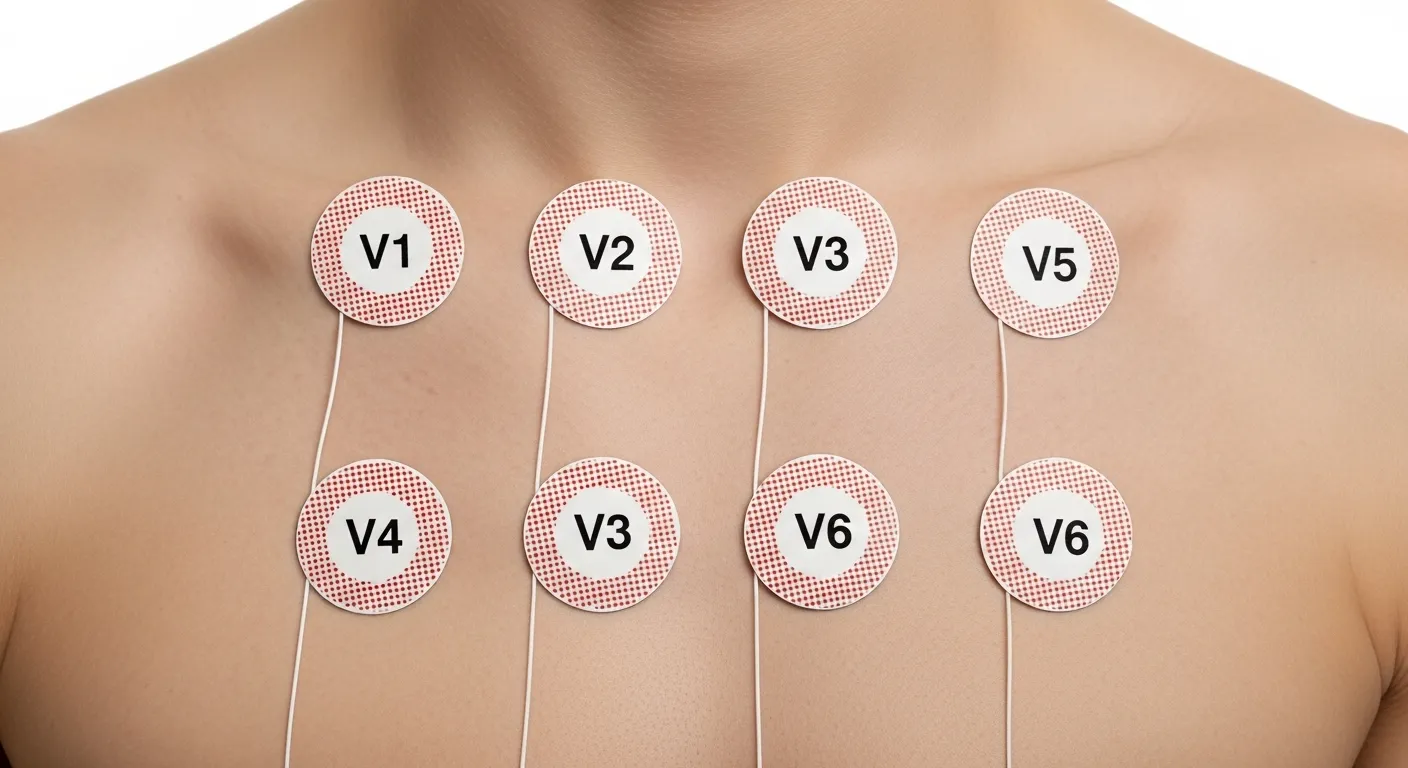
Pain location determines electrode placement, with electrodes placed on either side of the painful area. Patients with widespread pain can benefit from using two channels at once.
Factors Affecting TENS Effectiveness
Several factors determine how well TENS therapy works for pain relief. Research shows that higher intensity settings work better than lower ones. When TENS operates at 90% motor threshold, it creates powerful pain-relieving effects. However, a 50% motor threshold barely helps with pain relief.
Intensity and Adaptation
The body adapts faster with regular use. Using the same settings daily makes the treatment less effective by day four or five. You can delay this adaptation by increasing intensity 10% each day or switching between different frequencies. Using TENS every other day instead of daily will prevent the body from adapting at all.
Treatment Time
Treatment time affects results by a lot. The best session length is 40 minutes. Going beyond this time won’t boost the results.
Electrode Placement and Skin Preparation
The right electrode placement makes a difference. Clean skin preparation with soap and water before use will give better electrode contact. This prevents the burning “edge biting” feeling that happens when contact isn’t complete. The core team should rotate electrode placement sites to keep the treatment working for chronic pain.
Combination with Other Therapies
TENS works even better when combined with other treatments. Using cryotherapy with burst TENS reduces pain more than using either treatment by itself. Unlike ice therapy, patients can comfortably use TENS while exercising.
Conclusion
TENS therapy is an effective, drug-free way to manage pain. It works by stimulating nerve pathways to block pain signals or release natural endorphins, providing real relief for many patients.
Each TENS mode has its own benefit. High-frequency TENS gives quick relief, while low-frequency stimulation releases endorphins for longer-lasting comfort. Burst and modulation modes combine or vary these patterns to prevent your body from adapting. you can read our comparison guide about Radiofrequency Skin Tightening.
Success with TENS depends on key factors: stronger settings often work better, but comfort matters. Change settings regularly, place electrodes correctly, and keep each session around 40 minutes for the best results.
TENS therapy works even better when paired with other treatments or used while staying active. Unlike other pain methods that restrict movement, TENS allows mobility, making it ideal for those who want relief while remaining alert and functional.
Modern TENS units are compact and portable, treating pain at home or on the go. While results vary, many patients experience great outcomes when using TENS consistently and correctly.
TENS therapy may not be a cure-all, but it’s a safe, low-risk option before trying medications or invasive procedures. Combining TENS with other methods can create an effective pain management plan, especially for chronic issues like arthritis, fibromyalgia, or back pain.