Hidden Benefits of LLLT Therapy: A Doctor’s Complete Guide
Benefits of LLLT Therapy has transformed treatment methods in medical fields of all types with soaring success rates. Clinical trials show that more than 90% of patients saw improvements in photoaging after 8 LED treatments in a 4-week period. My experience as a medical professional has shown me how this technology changes lives.
Low-level laser therapy (LLLT), also called low light laser therapy, offers a non-invasive treatment option that uses specific wavelengths between 660 nm and 905 nm. These wavelengths penetrate skin and tissues effectively. The laser therapy stimulates cellular function, especially in fibroblasts.
This leads to faster tissue repair and reduced inflammation. LLLT has worked well to treat many conditions. These range from androgenetic alopecia, affecting 50% of males over 40 and 75% of females over 65, to UV damage reduction. The therapy also helps improve skin conditions like wrinkles and acne scars.
This piece will help you learn about LLLT therapy’s mechanics and the hidden benefits that make this technology promising. You’ll discover both the 4-week old and lesser-known benefits of this remarkable therapy, whether you want to use an LLLT device or just learn more about new treatments.
How Low-Level Laser Therapy (LLLT) Works
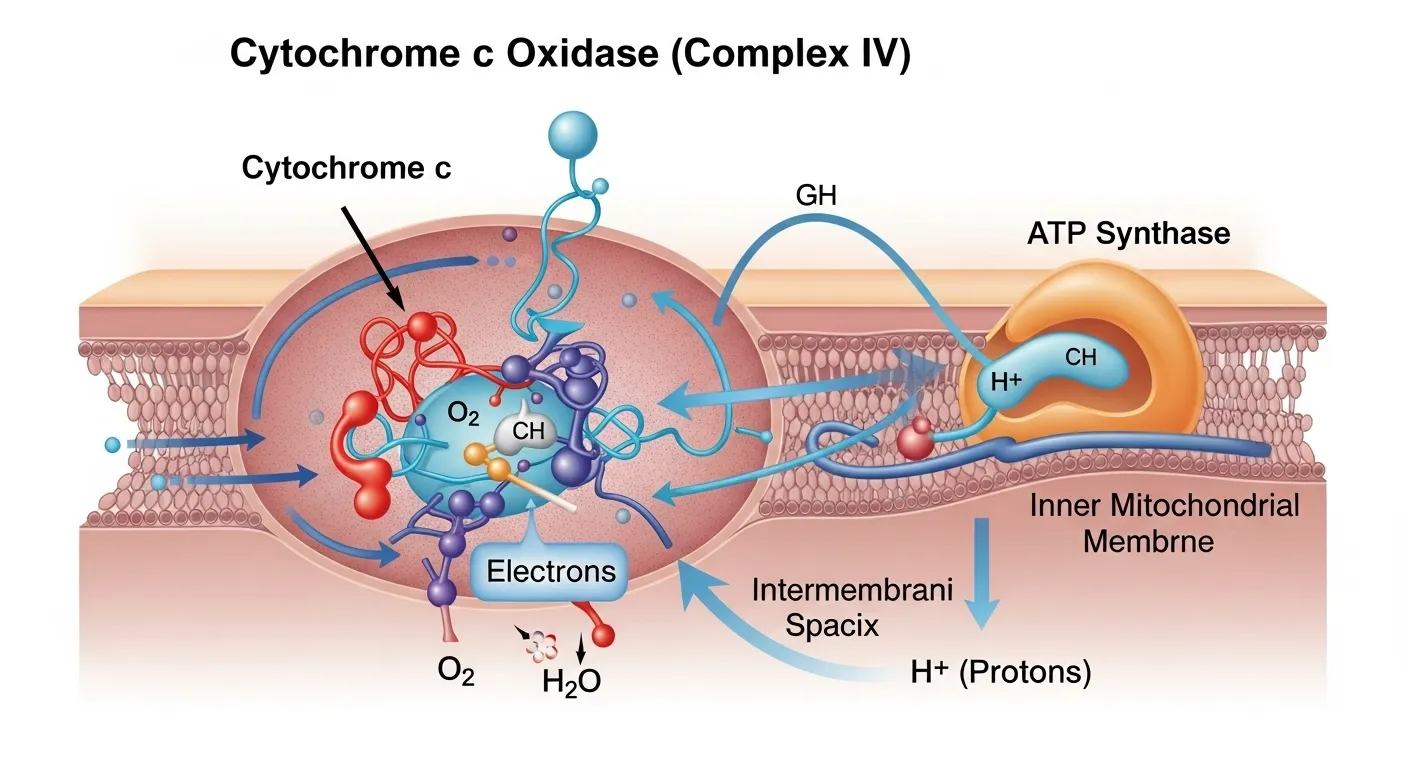
LLLT therapy works through complex photochemical interactions instead of thermal effects. The therapy employs low-power light between 600-1000 nm wavelengths with power that stays below 500 mW. Tissues absorb this non-thermal light where cellular chromophores take it in, especially cytochrome c oxidase (CCO) in the mitochondria.
Role of Cytochrome c Oxidase in Cellular Energy
CCO acts as the final enzyme in the mitochondrial respiratory chain. The absorption of near-infrared photons by CCO boosts electron transfer reactions that increase ATP production. LLLT pushes nitric oxide (NO) away from CCO and reverses its inhibitory effect on cellular respiration. Oxygen binds more effectively after this displacement, which returns respiration to normal and helps ATP synthesis.
Biphasic Dose Response and the Arndt-Schulz Law
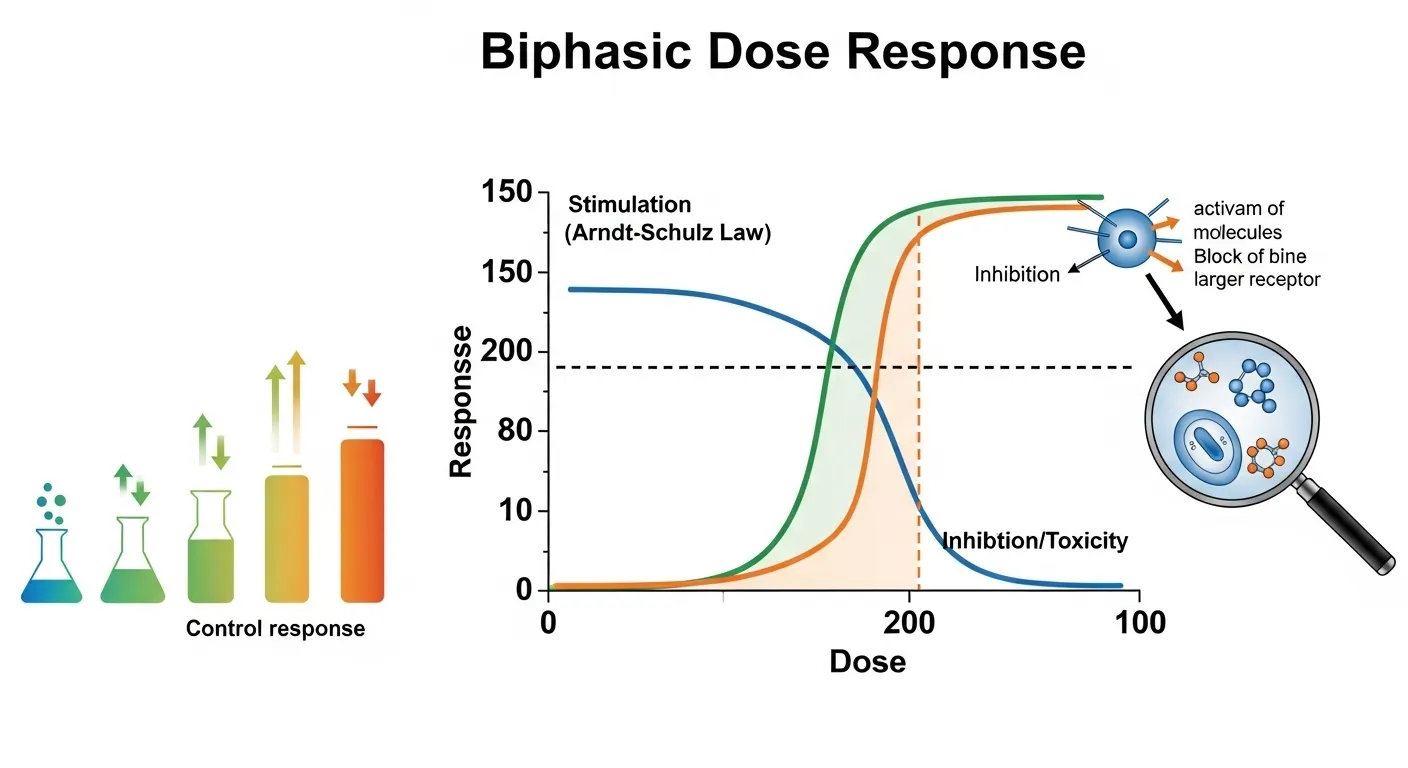
LLLT’s cellular effects follow a biphasic dose response that aligns with the Arndt-Schulz law. Biological functions get stimulated at lower energy densities (0.05-10 J/cm²), while higher densities (above 50 J/cm²) can stop these processes. This pattern shows why stronger treatments don’t always lead to improved outcomes.
Cellular Repair and Healing Benefits
These mechanisms help LLLT boost cellular energy production and tissue repair while reducing inflammation to promote wound healing. The therapy’s benefits continue well beyond the immediate treatment as beneficial cascades of cellular responses persist for hours or days afterward.
Well-known Benefits of LLLT in Clinical Practice
LLLT clinical applications have shown impressive results in many medical specialties. Red/near-infrared light therapy works well to treat acne vulgaris. Studies show combined blue and red light reduces inflammatory acne lesions by 76% and non-inflammatory lesions by 60% after 12 weeks. The therapy has also proven highly effective for skin rejuvenation. Over 90% of patients show improvement in fine lines, background erythema, and pigmentation after 8 treatments.
Acne Treatment and Skin Rejuvenation
LLLT helps reduce acne lesions and improve overall skin appearance. Its combined red and blue light therapy demonstrates significant reductions in both inflammatory and non-inflammatory acne. Additionally, it enhances skin texture and tone with consistent treatment sessions.
Hair Regrowth Support
LLLT helps stimulate hair regrowth in both men and women with androgenetic alopecia. Clinical trials show these devices increase hair density compared to sham controls. Some studies even suggest LLLT works as well as minoxidil 5%.
Pain Relief and Muscle Recovery
The therapy’s pain management capabilities make it valuable for musculoskeletal conditions. Research confirms it helps treat osteoarthritis, rheumatoid arthritis, neck and back pain. About 70-80% of treated patients report major improvements.
Faster Wound Healing
LLLT speeds up wound healing by boosting collagen production and tissue oxygenation. Patients using LLLT see better wound size reduction. Their postoperative pain decreases by 30-55% within the first 3-7 days after surgery.
These results look promising, but researchers need to conduct larger studies with more patients to confirm these benefits fully.
Hidden and Emerging Benefits of LLLT Therapy
LLLT therapy works beyond standard treatments and brings amazing benefits in unexpected ways. Clinical studies show LLLT helps heal second-degree superficial burns in just 11.75 days on average. This happens because it improves tissue repair without generating heat through photobiomodulation effects.
Faster Burn Healing
LLLT accelerates recovery from second-degree superficial burns by enhancing tissue repair through photobiomodulation without producing heat.
Relief for Herpes Virus
The treatment works well for herpes virus too. A random trial showed patients who got LLLT managed to keep their symptoms away for 37.5 weeks compared to just 3 weeks for the placebo group. The therapy works even better with acyclovir, which reduces pain and makes lesions smaller.
Support for Psoriasis and Vitiligo
Patients with hard-to-treat skin conditions respond well to LLLT. People with psoriasis who received combined blue light (420–453 nm) and red light treatments saw 60–100% improvement. The results look promising for vitiligo patients too. More than half of the treated areas showed significant repigmentation in 60% of cases with helium-neon laser therapy. This worked especially well for segmental-type vitiligo.
Protection Against UV Damage
The most surprising discovery shows LLLT protects against UV damage as well as SPF15 sunscreen. The protection comes from improved cellular defense systems that block UV-induced damage. These findings suggest LLLT could help prevent photoaging and lower skin cancer risks.
Conclusion
Low Level Laser Therapy (LLLT), also known as red light therapy, is one of today’s most versatile and non-invasive treatments. Many patients have experienced remarkable results using technologies like the red light therapy bed, which enhances cellular energy production at the mitochondrial level and supports natural healing.
LLLT’s proven benefits include improvements in skin health, hair growth, pain relief, and wound healing. Beyond these, it also shows promise in burn recovery, herpes management, and autoimmune skin conditions, expanding its potential even further.Also you can read our comparison guide about UV Light Therapy for SAD.
Its dual role in treatment and prevention is especially valuable. For example, its photoprotective effects against UV damage suggest that light therapy may help prevent future skin problems before they appear.