
How to Use Red Light Therapy Bed at Home: A Safety Guide
Red light therapy Bed at Home is now an available alternative to expensive spa
treatments. Home devices cost between $3,000 and $7,000, while commercial beds range from $15,000 to over $30,000. People investing in this technology need to understand proper usage to ensure safety and results. Red light therapy sessions take just 10-20 minutes per treatment area, 3-5 times weekly.
Consistency matters more than intensity when it comes to results. Users should grasp the basic formula that makes treatments work: Energy Dose (J/cm²) = Power Density (mW/cm²) × Time (seconds) ÷ 1000. This mathematical approach helps determine the right way to use red light therapy at home.
The safe operation of red light therapy equipment is vital, whether someone uses a full-body bed or a targeted device. This piece covers everything you need to set up, use, and maintain a red light bed safely at home.
Understanding Red Light Therapy Bed at Home
Red light therapy beds use special technology that sets them apart from regular tanning beds. These devices emit specific wavelengths of light between 600 to 900 nanometers. You’ll find both visible red light and invisible near-infrared light in these beds, each chosen for their health benefits.
What is a red light bed and how it works
Red light therapy beds look like tanning beds but work in a completely different way. LED lights cover the entire body with red and near-infrared light during sessions that last 10-20 minutes. The science behind this is called photobiomodulation (PBM) or low-level light therapy (LLLT).
The light energy goes deep into your skin and reaches the mitochondria – your cells’ power generators. This boost helps create more ATP (adenosine triphosphate), which gives cells extra energy and helps repair tissue. Your cells work better with this energy boost, making more collagen, reducing inflammation, and improving blood flow.
Difference between red and near-infrared light
Red and near-infrared light each have their own special benefits. Red light (620-750 nm) is visible and works on the skin’s outer layers. This makes it great for boosting collagen and helping with skin problems.
Near-infrared light (751-1,400 nm) isn’t visible to our eyes and goes much deeper – up to 10mm into your tissues. This deep reach helps with muscles, joints, and can even affect brain function indirectly. The best red light beds use both wavelengths to give you more benefits – 660nm for skin health and 850nm for deeper tissue treatment.
Why full-body red light therapy at home is gaining popularity
The U.S. market for red light therapy beds keeps growing and should hit $198.4 million by 2033. People love these beds because they want wellness solutions they can use at home. Having your own red light therapy bed means no more trips to clinics. These devices are now better and easier to use thanks to new technology. Athletes and fitness buffs really like how it helps with recovery, which has made more people interested in trying it.
Looking for a high-quality red light therapy bed for your home? Regen Red offers premium options with optimal wavelength combinations for maximum benefits.
Setting Up Your Red Light Therapy Bed at Home
A successful home red light therapy bed setup needs proper planning to maximize benefits and ensure safety. The right setup is vital to work well, from picking the perfect space to creating the best treatment plan.

Choosing the right location and environment
The ideal space for a red light therapy bed needs specific dimensions. Experts say you need at least 9′ x 8′ with minimum 4″ clearance on each side. Your space should be free of clutter and have easy access to power outlets. A licensed electrician usually takes one day to install the required 220V hookup that most full-body beds need.
Hard surfaces make the best flooring choices. You can use laminate, vinyl, or sealed concrete because they allow proper sanitation and airflow. On top of that, it helps to have good ventilation. Blackout curtains might be needed if your treatment room has windows.
How to position your body for full-body exposure
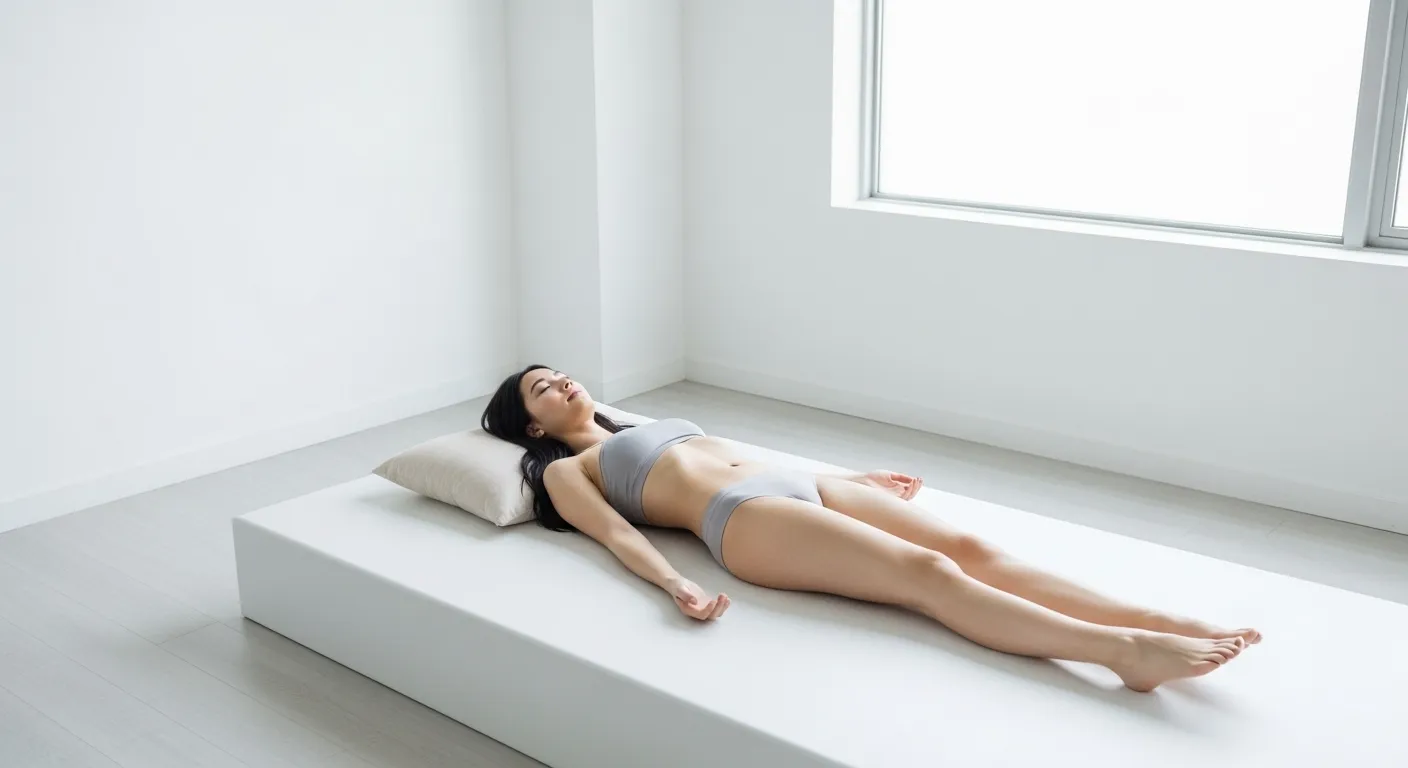
The way you position yourself matters a lot for optimal light absorption. The ideal intensity comes from keeping about 6-12 inches between your skin and the device. This sweet spot lets the light penetrate your skin effectively.
You’ll get the best results by lying down with uncovered skin. While clothes won’t completely block the treatment, direct light exposure to your skin works better.
Recommended session duration and frequency
Regular treatments matter more than long sessions with red light therapy at home. Expert guidelines suggest:
Dermatologists point out that patients often notice changes within a month, and improvements continue over time.
How to use red light therapy Bed at Home safely
These steps should happen before each session:
Your safety comes first, so talk to a healthcare professional before starting, especially if you have health conditions. Regen Red offers premium options with optimal wavelength combinations if you’re looking for a quality red light therapy bed.
Safety Guidelines and Common Mistakes to Avoid
Safety should be your top priority with red light therapy at home. In fact, knowing the right exposure limits and avoiding common mistakes can mean the difference between getting therapeutic benefits and experiencing side effects.
Maximum exposure limits and session timing
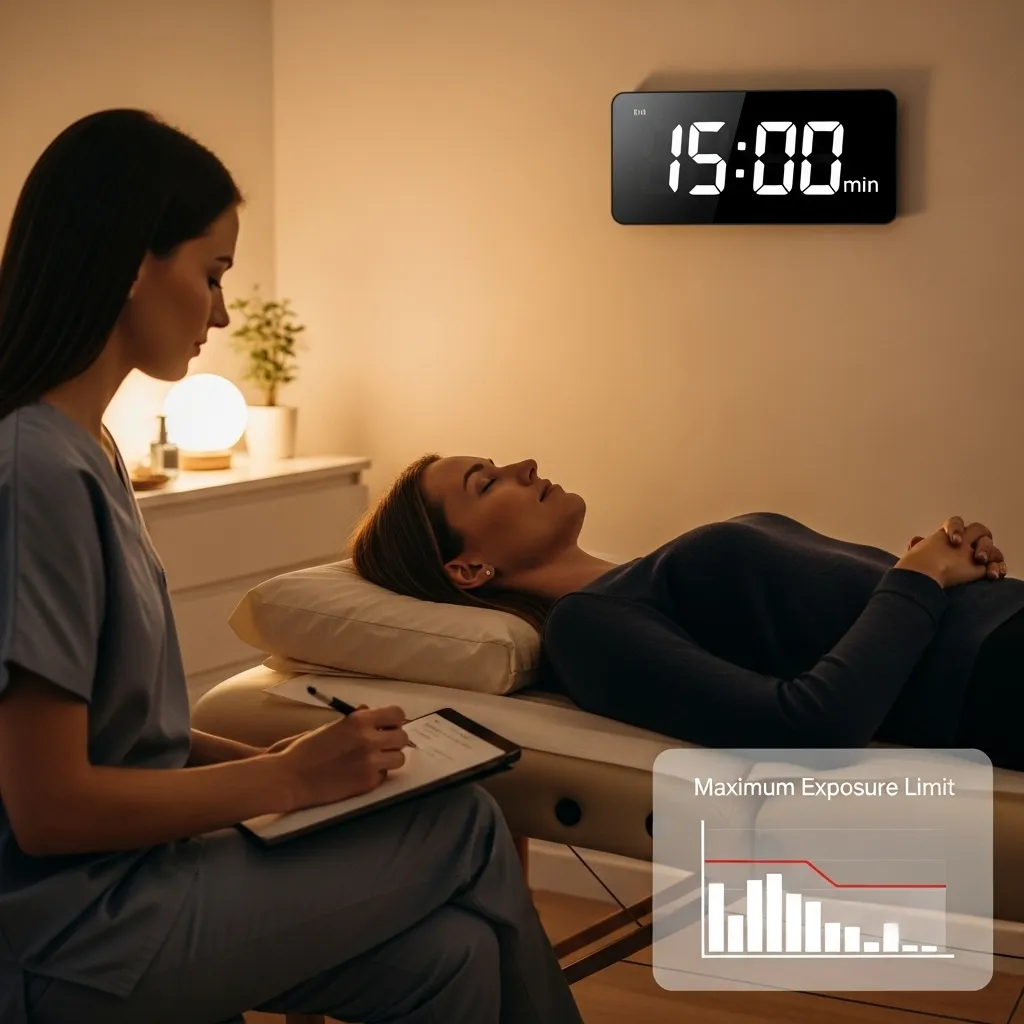
Expert recommendations suggest red light therapy sessions should last 10-20 minutes, 3-5 times per week. You should space your treatments at least 6 hours apart if you plan multiple sessions in one day. Regular, moderate sessions work better than occasional long exposures.
Eye protection and skin sensitivity precautions
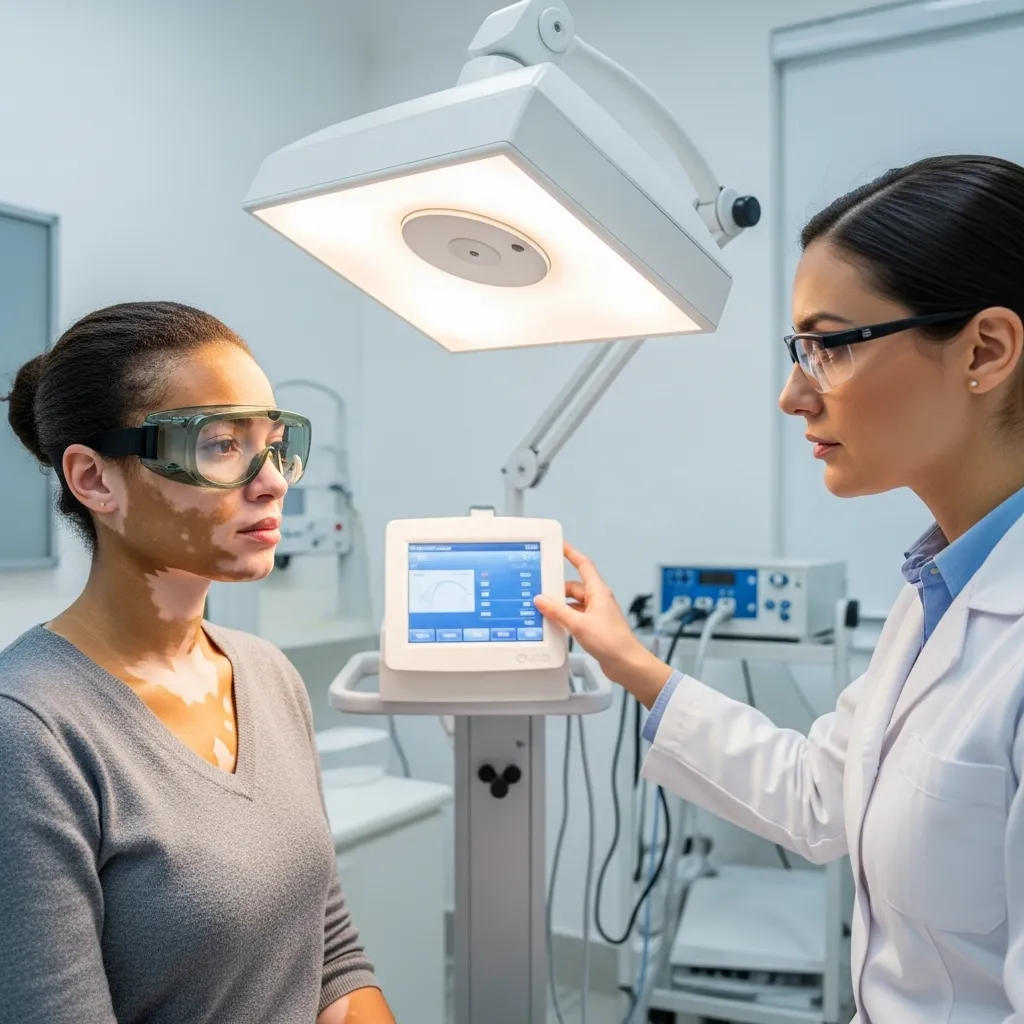
Red light can harm your eyes, so protective eyewear is essential. This becomes especially important when you have high-output devices or treat areas near your face. People taking photosensitizing medications should ask their doctor before starting treatment. Those with sensitive skin should begin with shorter sessions and slowly increase duration as their body adjusts.
Avoiding overuse and the biphasic dose response
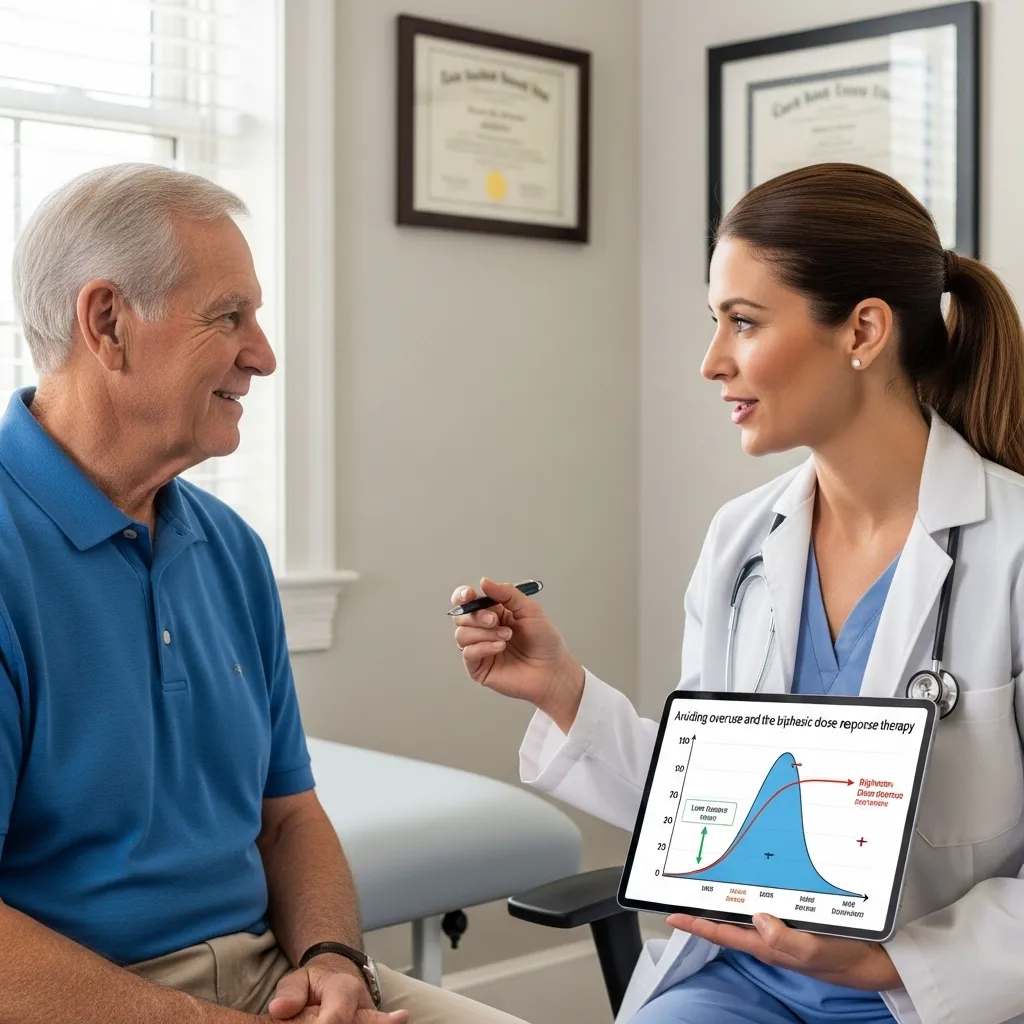
Red light therapy follows a “biphasic dose response,” which means more exposure isn’t always better. Excessive exposure can actually reduce or reverse the benefits. This happens because low concentrations of reactive oxygen species help, while high concentrations harm. That’s why following manufacturer guidelines is a vital part of treatment.
Troubleshooting and Optimizing Your Routine
Results from red light therapy can vary if you have different body types, even with the right setup. You’ll want to know how to fix common problems to get the best benefits from your investment.
What to do if you see no results after weeks
Several weeks might pass without visible improvements. Start by checking if you’re using it consistently – you should have at least 3-5 sessions weekly. Take a look at your device’s power output and wavelength specifications.

Signs of overdose or skin irritation
Too much red light therapy usually shows up as skin redness, dryness, or irritation. You might get headaches, feel tired, or notice slower recovery rates. These reactions tell you to cut back on how often or how long you use it until the symptoms go away.
When to adjust distance or session time
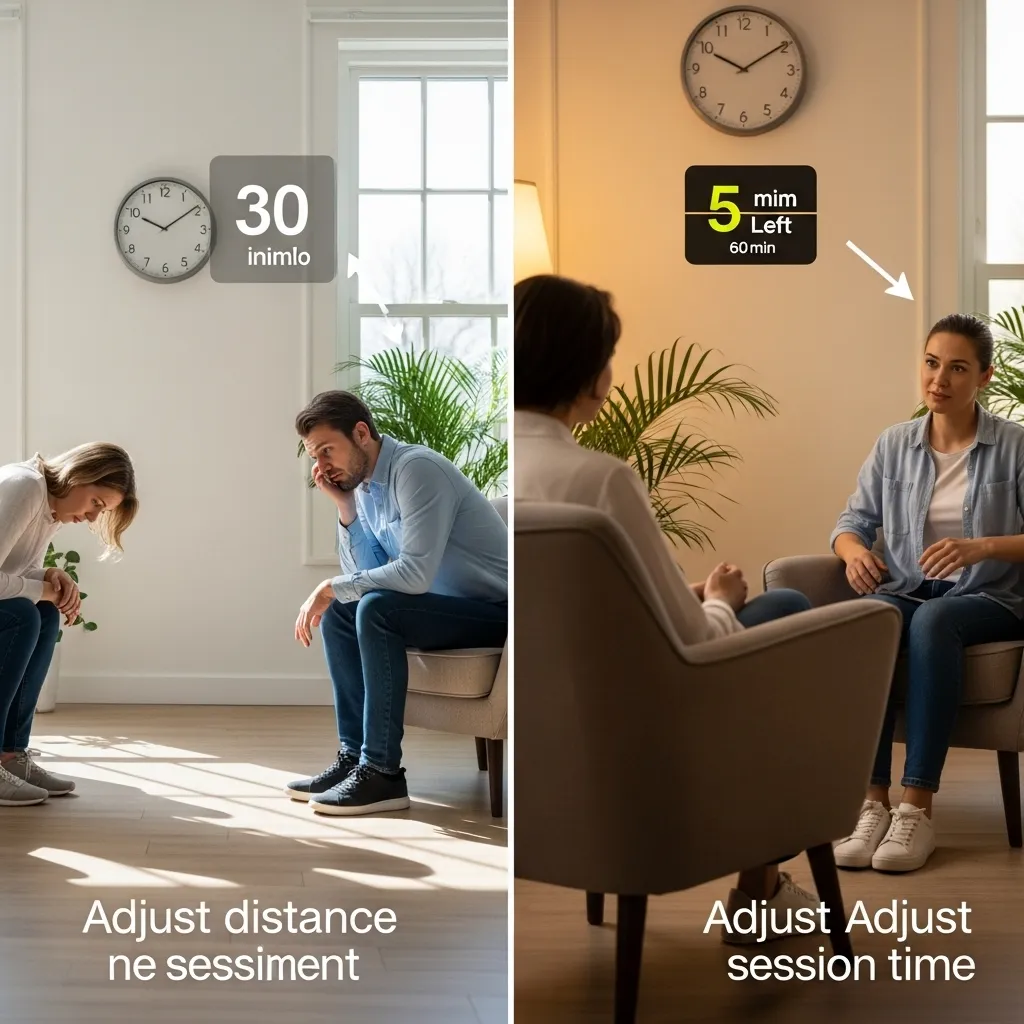
Keep your device 6-12 inches away from your skin. Move back an inch or two if you feel too much heat or notice sensitivity. Your sessions should last 10-20 minutes. The light source might be too far away if you see minimal results after 4-6 weeks.
Conclusion
Red light therapy Bed at Home brings professional-level wellness to your own space. Using red (620–750 nm) and near-infrared (751–1,400 nm) light, it rejuvenates skin and supports deeper tissue healing.
Safety and consistency are key: limit sessions to 10-20 minutes, 3-5 times per week, protect your eyes, and keep the device 6–12 inches from clean, exposed skin. Progress takes weeks, so track results to fine-tune your routine.
Premium devices like Regen Red combine optimal wavelengths with safety features, making home treatments effective and reliable. With proper setup and regular use, red light therapy supports a range of wellness goals from the comfort of home.