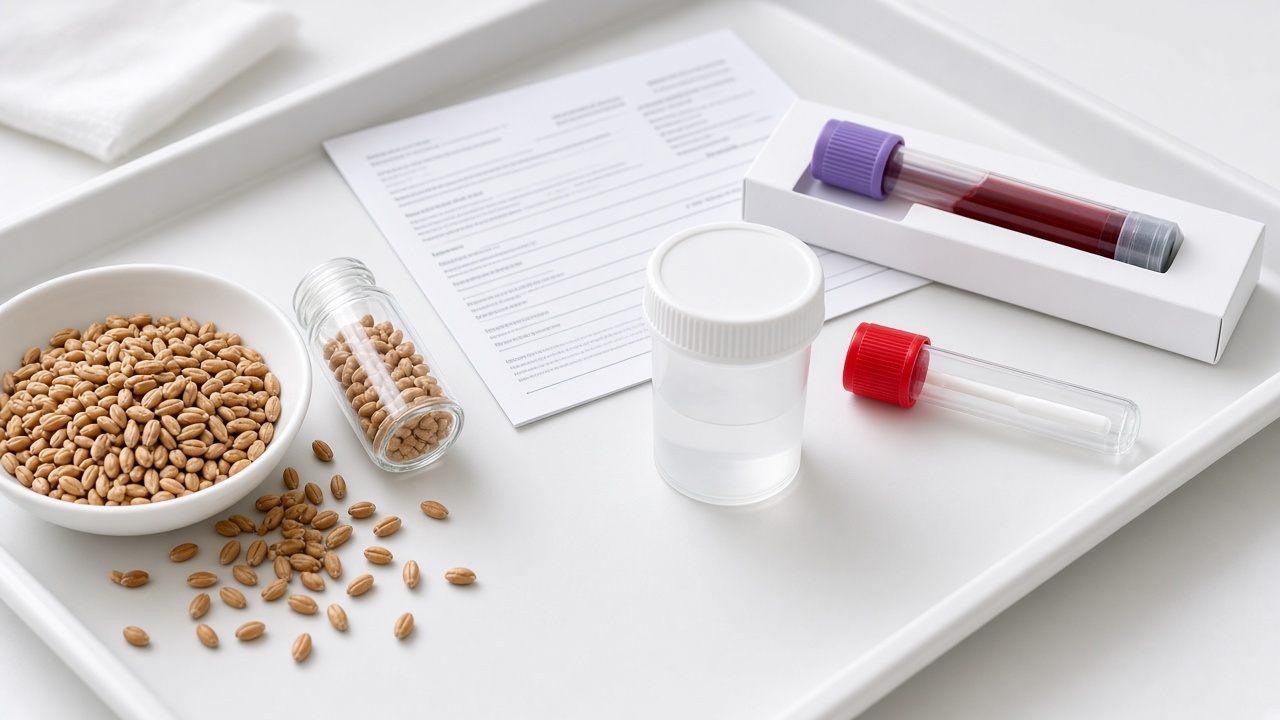

Bloating, brain fog after bread, skin flares, or “I feel better when I skip wheat” are clues — not diagnoses. A generic IgE allergy test can miss non-IgE wheat reactivity and says little about intestinal barrier integrity.
Regenred’s Gluten / Intestinal Permeability pathway (wheat zoomer–style paneling) looks at wheat-related immune markers and gut barrier signals so dietary changes and gut repair are based on data.
This is distinct from celiac workup alone and from a 96-food sensitivity panel. Your physician places it in context of symptoms, prior labs, and whether microbiome testing should run in parallel.
What This Pathway Tests
Contact Regenred: +714 330 6705 · Sales@regenred.com
The panel is ordered when wheat exposure or barrier dysfunction is a plausible driver of symptoms — not as a trendy elimination diet starter kit.
Wheat Zoomer–Style Clarity
Instead of a single antibody line, we look at a broader wheat antigen set so reactivity patterns are harder to miss — then interpret them clinically, not as internet scores.

Barrier Integrity Matters
Intestinal permeability markers help explain why inflammation, nutrient gaps, or food reactions keep returning even after you “cleaned up” your diet.
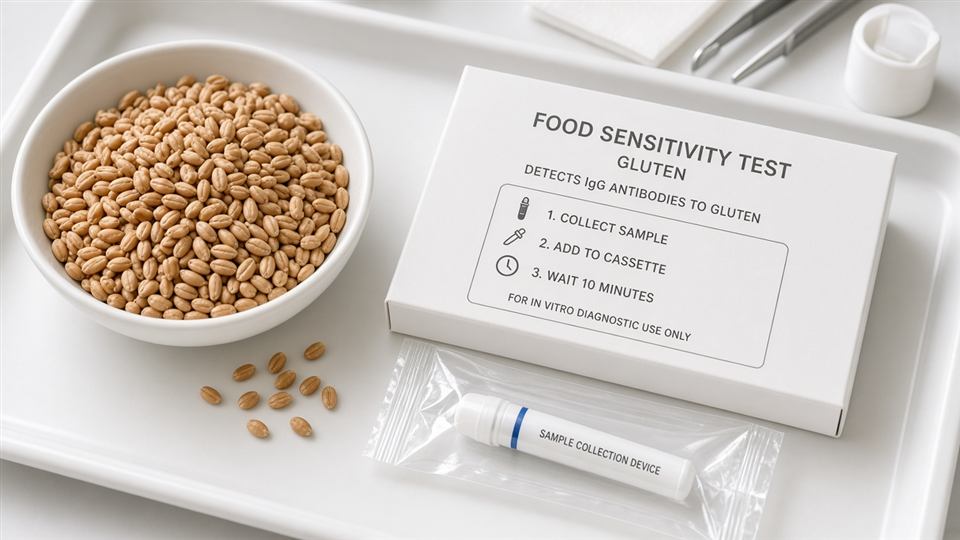
Markers and Collection
Contact Regenred: +714 330 6705 · Sales@regenred.com
Depending on the assay version, testing may include multiple wheat antigen antibodies and markers associated with intestinal permeability. Exact content is confirmed before collection.
Wheat Antigen Reactivity
Multiple wheat-related targets reduce the chance that a narrow test calls you “fine” while bread still wrecks your week.
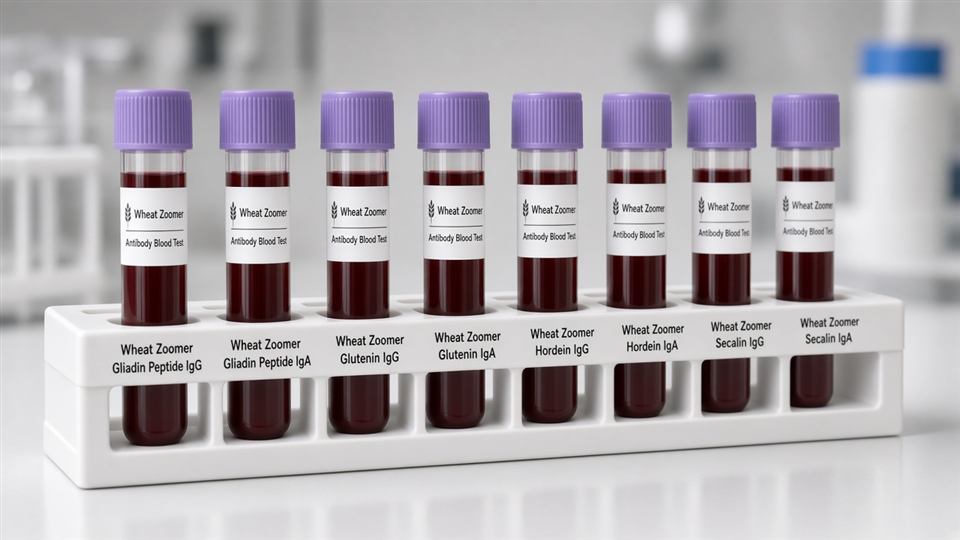
Immune Signal Patterns
Antibody patterns are read with symptoms and history. A positive is a map — not an automatic lifelong label without counseling.
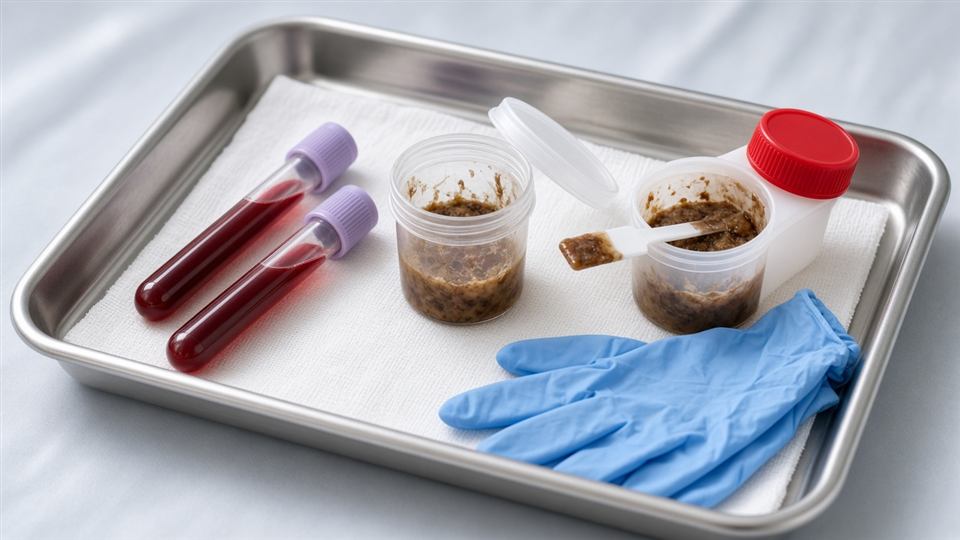
Simple Sample Pathway
Collection is typically blood (and related samples when required). Instructions protect result quality so we can act on them.

From Results to a Gut Plan
Contact Regenred: +714 330 6705 · Sales@regenred.com
Results guide whether to remove wheat strictly, rotate cautiously, investigate celiac further, or focus on barrier repair with nutrition and targeted protocols. Guesswork diets end here.
Physician Counseling
We explain what to remove, what to retest, and when specialist GI referral is warranted — especially if celiac disease remains on the differential.

Repair, Don’t Just Restrict
Diet change is one lever. Barrier support, nutrient repletion, and microbiome work may follow — written into your Regenred protocol.

Who This Test Is For
Contact Regenred: +714 330 6705 · Sales@regenred.com
This test fits people with unexplained GI symptoms after wheat, autoimmune family history, skin or joint flares tied to diet, or stubborn inflammation that did not clear with a basic workup.
Wheat-Linked Symptoms
Bloating, fog, skin flares, or joint pain that track with wheat exposure are classic reasons to go beyond a casual gluten-free experiment.
Stuck Inflammation or Nutrient Gaps
When micronutrient deficits and inflammatory markers refuse to budge, barrier and wheat reactivity are high-yield next questions.
How to Book
Contact Regenred: +714 330 6705 · Sales@regenred.com
Gut barrier and wheat reactivity are common missing pieces in Regenred’s diagnostic stack — especially when inflammation or micronutrient gaps refuse to resolve.
Often paired with Food Sensitivity Testing or Gut Microbiome Analysis when the story is broader than wheat alone.
Ready for clarity instead of another elimination guess? Request a consult and ask for Gluten / Intestinal Permeability under Diagnostics & Testing.