Food that “agrees with everyone else” can still leave you bloated, foggy, itchy, or exhausted the next day. That is often not a classic allergy. Classic allergy is immediate and IgE-driven. Food sensitivity is delayed — hours to days — and easy to miss if you only test peanuts and call it done.
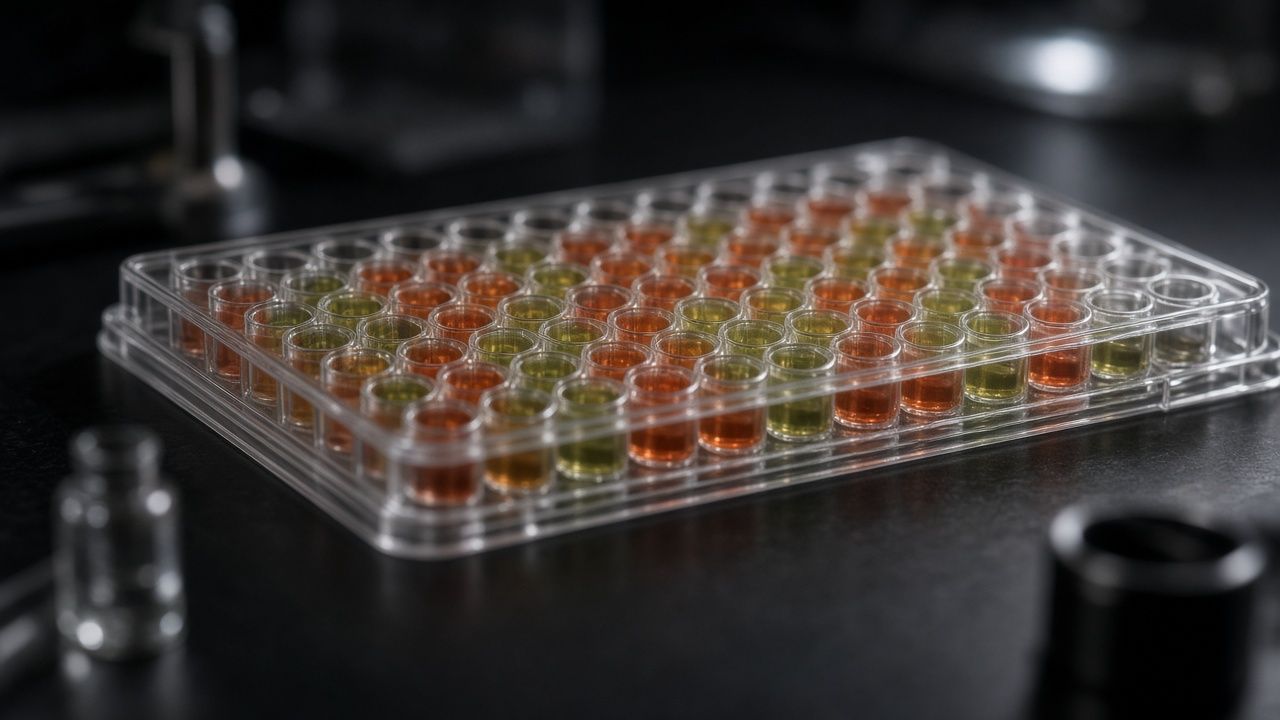
Regenred’s Food Sensitivity Test is a physician-ordered 96-food panel. A standard blood draw is analyzed for delayed-reaction patterns across everyday foods: dairy, gluten-containing grains, eggs, soy, nuts, nightshades, and more. Every result is reviewed one-on-one with a medical provider.
The output is not a lifetime ban list. It is a ranked map you can use for a structured elimination and reintroduction — so you stop guessing which lunch is wrecking Tuesday.
What This Food Test Is — and Is Not
Think of this as the food-reaction layer of Regenred’s measure-first model. It sits beside gut, gluten, and micronutrient testing. It is not an emergency allergy workup, and it is not a consumer kit you interpret from an app.
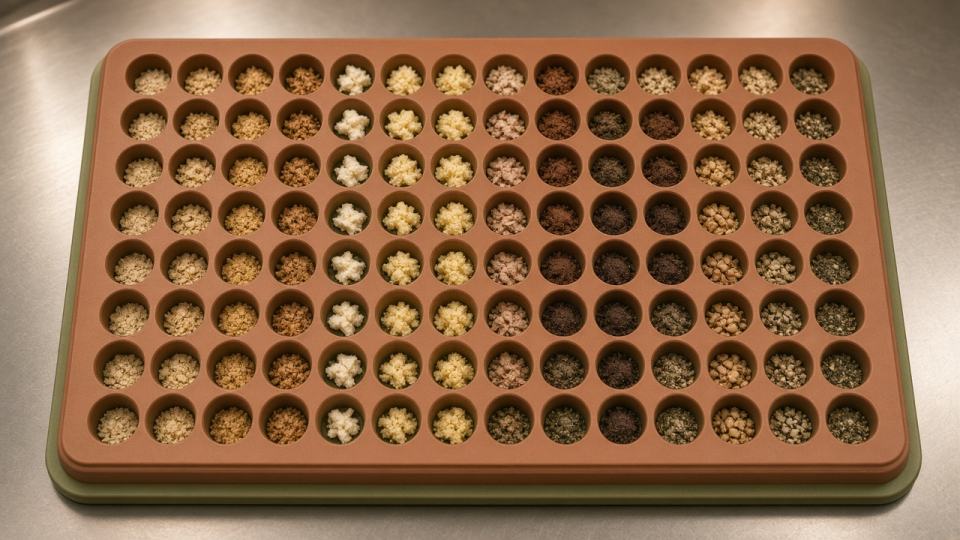
96 Foods on One Panel
One blood draw is analyzed across 96 commonly eaten foods — not a three-item allergy screen. The report ranks reactions so you can see which foods are worth pausing first, instead of eliminating your entire kitchen at random.

Sensitivity, Not a Classic Allergy Test
This is not an IgE emergency-allergy panel and it does not replace an epinephrine plan. Classic allergy is immediate. Sensitivity is delayed. We will not let you treat a peanut-allergy risk as if it were the same thing as a Tuesday dairy bloating pattern.

What the Test Maps
The draw itself is straightforward. What matters is the panel breadth, what a “positive” actually means, and the protocol we follow after — because a list of red foods without a plan is just another PDF.
A Simple Blood Draw
Collection is a standard venous sample in clinic — no week-long food diary required to start. Fasting instructions, if any, are confirmed before you arrive. The difference is what happens after the draw: a physician reads the pattern with you.
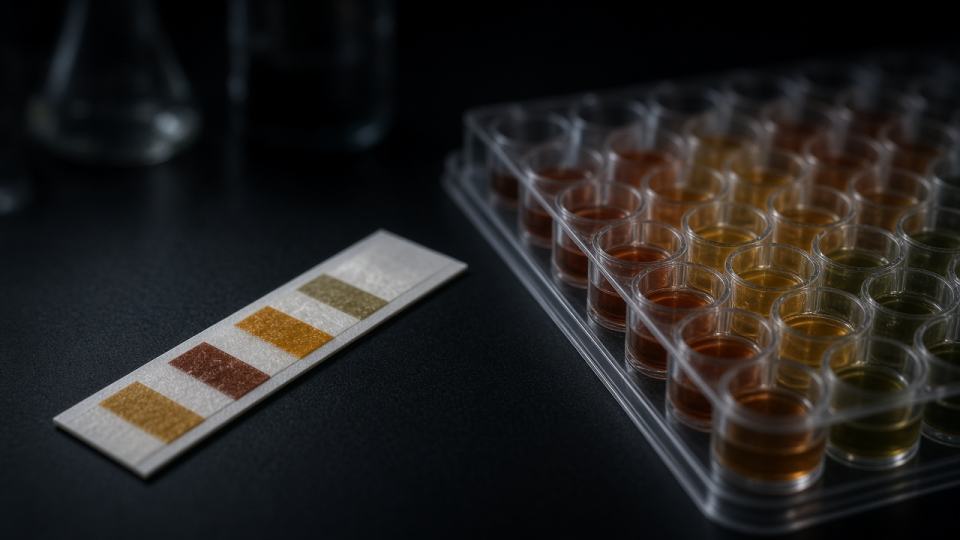
Delayed-Reaction Patterns
The assay looks at delayed immune-response markers associated with foods you eat regularly. A “positive” is a reason to trial removal — not a lifelong sentence, and not proof of celiac disease or a true allergy.

Symptoms That Track With Meals
Bloating, brain fog, skin flares, headaches, and afternoon crashes that follow certain foods are the usual reason people book this. We use the panel to name likely triggers so you are not rotating diets on a hunch.

From Results to a Personal Protocol
Results are not dumped into a portal. A Regenred physician explains which foods are high-probability triggers, which are mild, and which you should not fear. Then we write the first version of your elimination and reintroduction plan.
Physician Review, Not a Raw File
You sit down with a provider who has already read the report. We explain what is a strong signal, what is a mild reaction, and what should not dominate your grocery list. Questions are expected.

Elimination, Then Reintroduction
The output is a written plan: which foods to pause, for how long, what to eat instead, and how we add foods back so you learn what actually matters. Membership then follows that protocol instead of a one-time PDF.

Who This Test Is For
This test is for people who have already tried generic “eat clean” advice and still have bloating, skin flares, headaches, fatigue, or joint stiffness that tracks with meals — and for families who want one shared map instead of five competing diets.
People Tired of Guessing Meals
If every popular diet worked for someone else and left you swollen, foggy, or flared, a 96-food map plus physician review is how we stop rotating restrictions at random. Skin, gut, and energy complaints that track with food are the usual fit.

Families Who Want One Shared Map
Households can test together and still get individual plans. If you also need gluten / intestinal permeability or gut microbiome analysis, those complement this panel — they are not the same draw or the same conversation.
How to Book
Food sensitivity testing is how Regenred personalizes the “what you eat” half of care. Combined with a gut microbiome analysis, gluten / intestinal permeability testing, or a Total Wellness Panel, it stops us from giving you the same elimination diet we give everyone else.
If you have a known IgE food allergy, keep carrying your prescribed emergency plan. This panel does not replace that. If you already have a recent food-sensitivity report, bring it; we will not repeat a test you already have without cause.
Ready to stop guessing which foods are the problem? Request a consult and ask for the Food Sensitivity Test under Diagnostics & Testing. Your physician will confirm the 96-food panel is the right next step and review results with you in person.