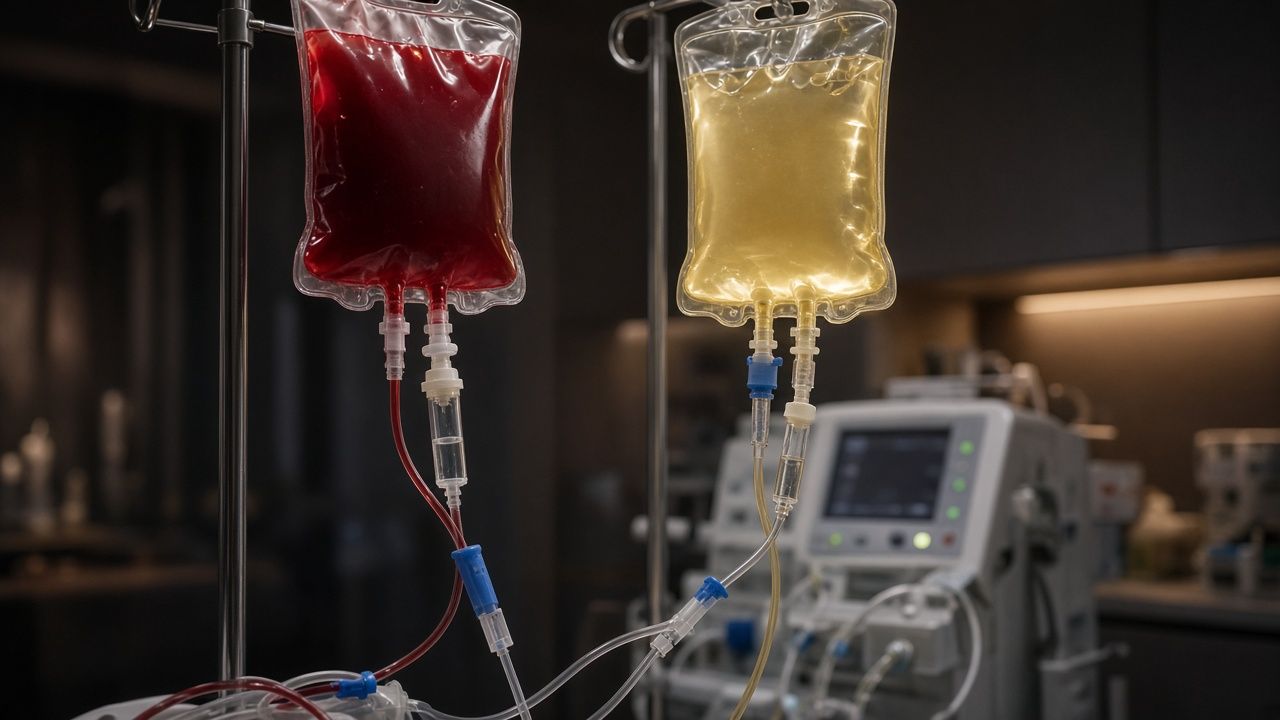
Blood is more than cells. Plasma carries antibodies, inflammatory proteins, and a long list of circulating factors that shape how you feel, recover, and age. When that load is high, IVs and peptides are working against a crowded bloodstream. Therapeutic plasma exchange (TPE) is how Regenred resets that fluid compartment under physician supervision.
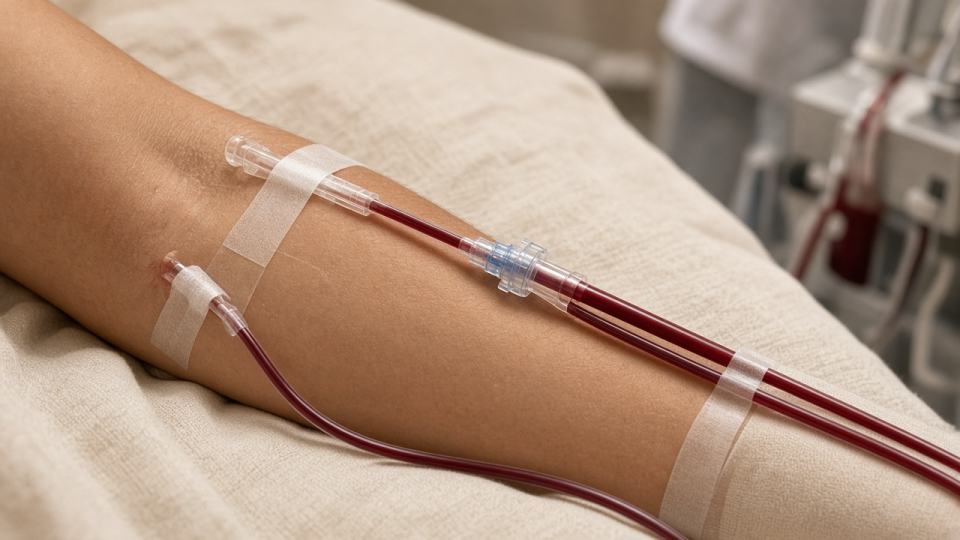
In a single session, an apheresis circuit separates plasma from your blood cells. The plasma is discarded. Cells are returned with replacement fluid — typically albumin. You leave with the same red cells you arrived with, and a plasma compartment that is no longer carrying the same inflammatory burden.
This is not a drip. It is not a blood donation. It is a medical procedure in our accredited regenerative suite, ordered and watched by a physician, then folded into the rest of your protocol.
What Therapeutic Plasma Exchange Is — and Is Not
Think of TPE as the “clear the circulating load” step in Regenred’s regenerate layer. Diagnostics tell us what is in the blood. TPE is how we remove a large fraction of it in one supervised visit — then rebuild with food, hormones, peptides, or further regenerative work.
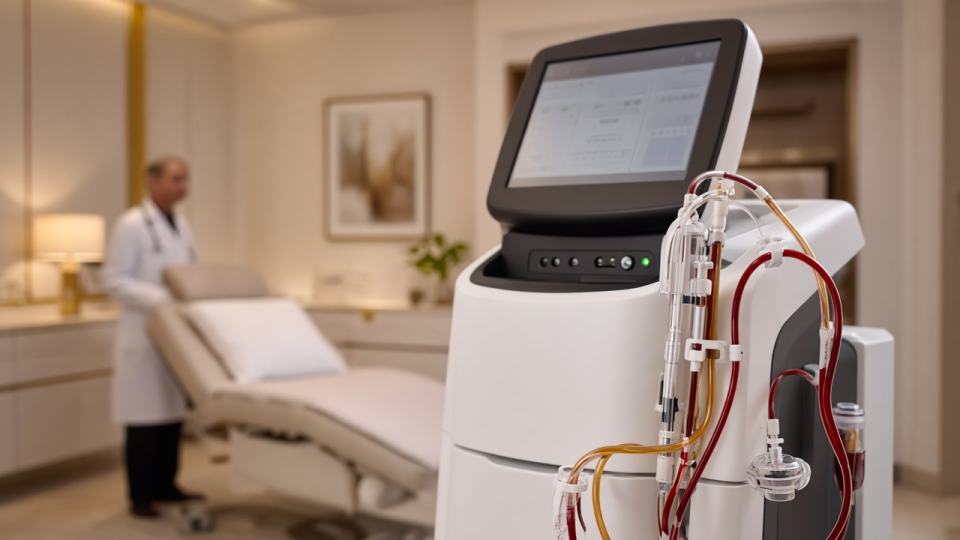
A Supervised Apheresis Session
You sit in a private suite while an apheresis machine separates plasma from blood cells. Plasma is removed; cells return with replacement fluid. A physician owns the order, the access, and the stop rules. This is clinic medicine, not a spa add-on.
Not an IV Drip, Not a Donation
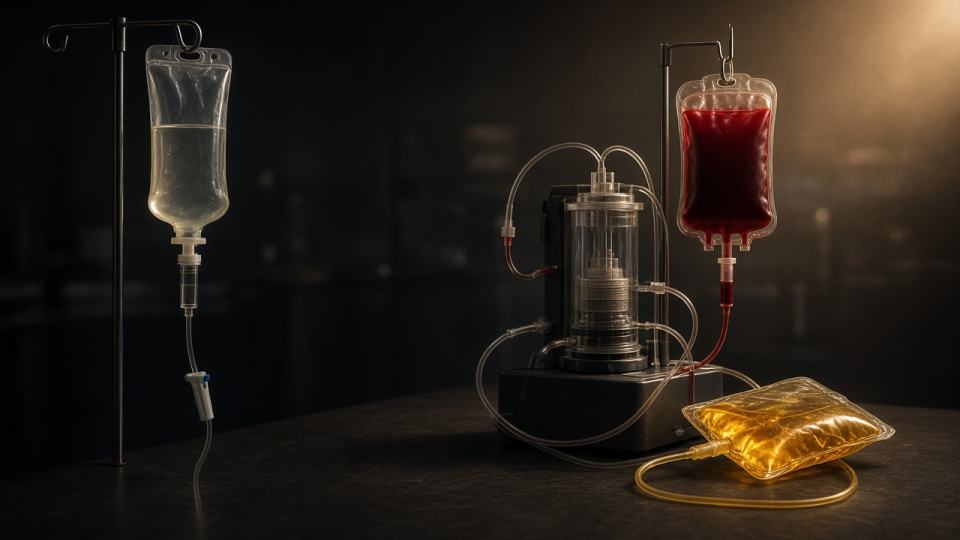
A glutathione drip adds something to plasma. A donation takes a unit of whole blood. TPE removes a large volume of plasma and replaces it. If someone sold you “plasma cleaning” as a bag on a pole, that is not this procedure.

How the Session Works
The session itself is straightforward once access is placed. What matters is the machine, what is actually exchanged, and how we use the reset afterward — because a plasma swap without a plan is just an expensive afternoon.
The Apheresis Circuit
The machine spins and separates in a closed circuit. Volume, replacement fluid, and citrate are set to your labs and size. You are monitored throughout. The point is a controlled exchange, not a guess at “how much plasma to take.”
What Leaves, What Returns
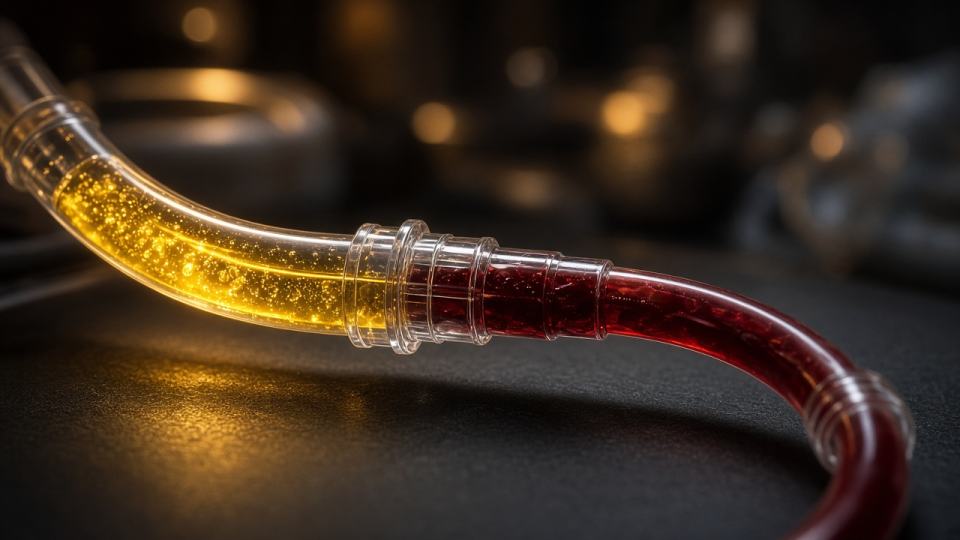
Plasma carries autoantibodies, inflammatory proteins, and a share of circulating toxins. That fraction is discarded. Your red cells, platelets, and most white cells return. Replacement is typically albumin so volume and oncotic pressure stay safe.
Access and Time in Chair
Most sessions use peripheral access; some people need a different line. Expect a block of chair time with nursing in the room and a physician available. We confirm fasting, medications, and labs before you sit down so the first visit is usable.

From Exchange to a Personal Protocol
Results are not left at the chair. A Regenred physician explains what the session was for, how many visits your track needs, and what we do in the weeks after so the benefit is not a one-day dip in inflammatory proteins.
Physician Review, Same Program
You sit down with a provider who ordered the session. We explain why plasma was the target, what we expect in the following weeks, and whether a series or a single reset is the right track. Questions are expected.

A Plan for the Weeks After
The output is a written protocol: how many exchanges, which labs to repeat, and what regenerative, hormone, or IV work waits until the circulating load is down. Membership then follows that sequence instead of a one-time procedure.

Who This Procedure Is For
This procedure is considered for people with a high circulating burden — autoimmune or inflammatory patterns, longevity patients who want a plasma reset, and anyone whose labs or history suggest antibodies and inflammatory proteins are fighting the rest of the protocol.
Inflammatory Load and Autoimmune Patterns
When antibodies or inflammatory proteins are part of the picture — and drips have not moved how you feel — TPE is how we change the fluid those proteins live in. Eligibility is still confirmed with a physician before we book the chair.

Longevity Patients Starting a Serious Reset
Some members use TPE as a circulating reset before peptides, hormones, or a long regenerative block. It is not a shortcut around diagnostics. We still want a baseline so we are not exchanging plasma without knowing what we are aiming at.
How to Book
Therapeutic plasma exchange is how Regenred personalizes the regenerative half of care when the problem is in the plasma, not just in the cells. Combined with an executive physical, Total Wellness Panel, or EBOO, it stops us from stacking drips on top of an unchanged inflammatory load.
Eligibility is confirmed before we schedule. Some people need labs first; some need a different extracorporeal option. If you have a recent apheresis record, bring it. We will not repeat a procedure you already had without cause.
Ready to discuss whether TPE fits you? Request a consult and ask for Therapeutic Plasma Exchange under Regenerative Medicine. Your physician will confirm access, replacement fluid, and session count before the first visit.